News
Post Office liquidation fears: Workers warn communities will pay the price
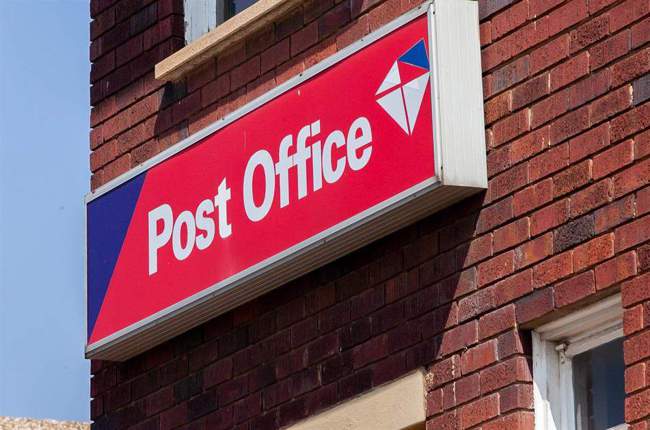
For generations, the local post office has been more than just a place to send parcels or collect letters. In many South African towns, particularly outside big cities, it remains a lifeline. Now the lifeline could be under threat.
The Communication Workers Union says talk of liquidating the South African Post Office could wipe out thousands of jobs and dismantle an institution that still plays a vital role in daily life for millions of people.
The warning follows reports that the Post Office’s business rescue practitioners have written to Communications and Digital Technologies Minister Solly Malatsi expressing their intention to file for liquidation.
Government says liquidation talk may be premature
Malatsi confirmed that he received the letter from the practitioners on a Friday afternoon, but he believes the conversation may be moving too quickly.
According to the minister, government discussions are still underway. Talks between the Department of Communications and Digital Technologies and the National Treasury continue as officials consider the future of the struggling state entity.
For now, he argues that raising the possibility of liquidation before those discussions are concluded may be premature.
The Post Office has been under severe financial pressure for years, entering business rescue in 2023 after mounting debt, declining mail volumes, and operational problems across the network.
Union says workers were not consulted
Labour groups say they were blindsided by the possibility of liquidation.
Moffat Seutlwadi, national organiser for the Communication Workers Union, says organised labour has not been formally consulted about any plan to close the Post Office permanently.
From the union’s perspective, such a decision would have major consequences not only for employees but also for the communities that rely on its services.
He argues that liquidation would destroy thousands of jobs while cutting off access to essential services such as postal delivery, financial transactions, and support systems linked to government programmes.
In many rural areas, the Post Office still functions as one of the few accessible service points for residents who cannot easily travel to major towns.
A public institution many communities still rely on
Despite its financial troubles, the union insists the Post Office remains a strategic national asset.
For poorer communities, especially in rural parts of the country, it provides services that are difficult to replace quickly. These include access to postal communication, certain financial services, and government-linked support systems.
Seutlwadi says workers have already carried the burden of the crisis for years.
Employees have reportedly gone eight years without salary increases. The union also claims that pension contributions owed to workers remain unpaid and that thousands of staff members have already lost their jobs through retrenchments.
Those losses, the union says, have already had serious economic effects on families and communities.
Funding challenges add pressure
The financial situation facing the Post Office remains severe.
Before the 2026 Budget Speech, the organisation requested R3.8 billion to help it exit business rescue and stabilise operations. The National Treasury did not allocate those funds.
Instead, the Department of Communications and Digital Technologies set aside R700 million for the Post Office’s universal service obligations. That funding is intended to support postal services in underserved areas across the country.
While the allocation provides some support, it falls far short of what the organisation requested to address its broader financial crisis.
Calls for urgent government intervention
The Communication Workers Union says the situation now demands urgent action.
The union is calling for immediate engagement with organised labour, payment of outstanding pension contributions owed to workers, and clear communication about how government funding will be used.
Most importantly, it wants a credible turnaround strategy that protects both jobs and essential services.
Without intervention, the union warns that allowing the Post Office to collapse would deepen inequality and remove a critical public service from the communities that depend on it most.
In a country where digital access and infrastructure remain uneven, the future of the Post Office is not only about mail. For many South Africans, it still represents connection, access, and opportunity.
Follow Joburg ETC on Facebook, Twitter, TikT
For more News in Johannesburg, visit joburgetc.com
Source: The Citizen
Featured Image: News24