News
“Not our war”: World pushes back on Trump’s call to police vital oil route
“Not our war”: World pushes back on Trump’s call to police vital oil route
A global flashpoint with local consequences
What happens thousands of kilometres away in the Middle East rarely stays there and right now, the ripple effects are being felt as far as South Africa’s petrol pumps.
The Strait of Hormuz, one of the world’s most critical oil chokepoints, has become the centre of a growing geopolitical standoff. Nearly a fifth of global oil shipments pass through this narrow waterway and now, it’s under strain.
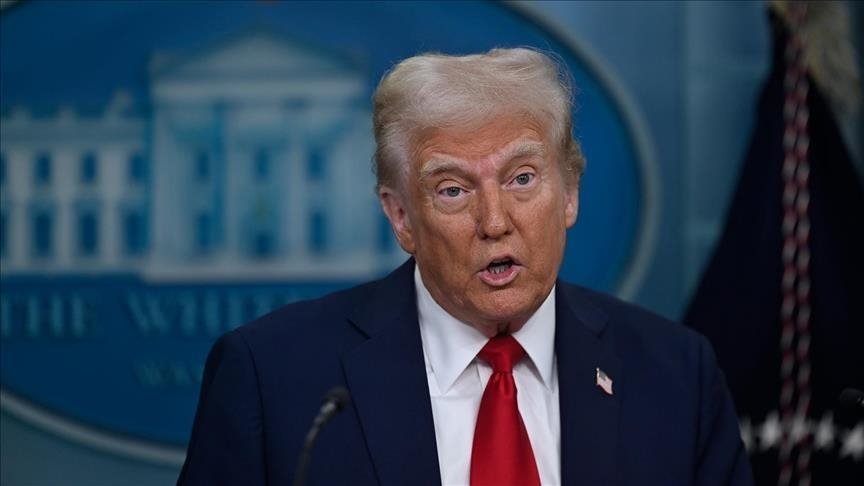
Against this backdrop, Donald Trump has called on countries that rely on this route to send naval forces to secure it. But the response from the international community has been anything but enthusiastic.
The call and the silence that followed
Trump’s message was direct: nations benefiting from oil shipments through the strait should step in and help protect it. He even hinted that failure to respond could have consequences for alliances like NATO.
But instead of a show of unity, what followed was hesitation and in many cases, outright refusal.
“It is not our war”
Across Europe and beyond, the tone has been cautious, even blunt.
Germany was among the clearest voices pushing back. Defence Minister Boris Pistorius dismissed the idea of involvement, questioning both the purpose and the practicality of sending a handful of European ships into an already volatile region.
Australia echoed a similar stance, making it clear it would not be deploying vessels. Japan, too, has opted for a wait-and-see approach, signalling that any decision would need to fit within its legal framework.
Even Greece, a major maritime nation, has ruled out participation in military operations in the strait.
Allies, but not all-in
Some countries aren’t saying no, but they’re definitely not saying yes either.
The United Kingdom, led by Keir Starmer, is still weighing its options, including the possibility of deploying naval assets elsewhere in the region. But there’s a clear red line: avoiding deeper involvement in a wider conflict.
Italy has suggested strengthening existing European missions, rather than launching something new in the Strait of Hormuz itself. Meanwhile, European Union officials are still debating whether their current operations could even stretch that far.
A different approach from Asia
In contrast, some of the world’s biggest energy consumers are choosing diplomacy over military presence.
China has emphasised the need for stability and dialogue, focusing on keeping energy supplies flowing through communication rather than confrontation.
India, heavily reliant on imported oil, is already engaging directly with Iran. Its approach has been pragmatic negotiating safe passage for individual vessels rather than backing a broader military effort.
Iran’s position: open, but on its terms
From Tehran’s perspective, the situation looks very different.
Foreign Minister Abbas Araghchi has pushed back against claims that Iran is blocking the strait, arguing that insecurity caused by external aggression is the real issue.
He maintains that Iran is open to discussions with countries seeking safe passage, and that some vessels are already moving through under certain conditions.
Why the world is hesitant
At its core, the reluctance to respond to Trump’s call reflects a deeper concern: escalation.
Sending warships into one of the world’s most sensitive regions risks turning a tense situation into a full-blown conflict. For many countries, the stakes simply outweigh the benefits.
There’s also the question of precedent. If nations begin policing global trade routes through military force, where does it stop?
Social media reaction: “Why should others clean up this mess?”
Online, the debate has been just as intense.
Some users support the idea of shared responsibility for global trade routes. But many others are questioning why countries should get involved in a conflict they didn’t start.
The phrase “not our war” has gained traction, echoing the sentiment expressed by several governments.
The bigger picture for South Africans
Back home, this might feel like distant politics, but it’s already hitting closer to home.
The disruption in the Strait of Hormuz has helped push global oil prices higher, which in turn affects local fuel costs. That means more expensive road trips, pricier goods, and additional strain on already tight household budgets.
It’s a reminder that in today’s world, global conflict and local cost of living are more connected than ever.
A world choosing caution
For now, the message from much of the international community is clear: proceed carefully.
Rather than rushing into military action, many countries are opting for diplomacy, restraint, and a wait-and-see approach.
Whether that strategy will keep the Strait of Hormuz open and prevent a wider crisis, remains to be seen. But one thing is certain: the world is not lining up to answer the call to arms.
{Source: IOL}
Follow Joburg ETC on Facebook, Twitter , TikTok and Instagram
For more News in Johannesburg, visit joburgetc.com