News
Graaff-Reinet Renaming Sparks Tension As Heritage And History Collide
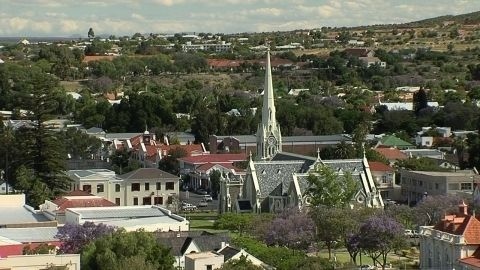
What was once a quiet Karoo town known for its postcard beauty and layered history has suddenly found itself at the centre of a national conversation.
Graaff-Reinet, one of South Africa’s oldest towns, is no longer just a heritage destination. It has become a symbol of the country’s ongoing struggle to reconcile its past with its present.
A Name Change That Hit Close To Home
In a recent government decision, the historic town was officially renamed after Robert Sobukwe, a liberation figure born in the area.
On paper, the move fits into a broader post-apartheid effort to reshape South Africa’s landscape. Since 1994, thousands of place names have been changed to move away from colonial and apartheid-era identities.
But in Graaff-Reinet, the announcement has done more than update signage. It has stirred something deeper.
A Town Divided
With a population of around 25,000, the town has seen a wave of resistance unfold in recent weeks. Protest groups have mobilised, petitions have been signed, and legal challenges are now being prepared.
One local campaign has already submitted tens of thousands of objection letters to government authorities.
For many residents, the concern is not just about a name. It is about identity, belonging, and whether their history is being rewritten rather than recognised.
Graaff-Reinet holds a special place in Afrikaner history. Established in 1786 and named after a Dutch colonial governor and his wife, the town later became a key point during the Great Trek. That legacy still carries weight for many families who have lived there for generations.
Heritage Versus Transformation
Walk through the town today and you will see why emotions are running high.
Whitewashed Cape Dutch homes line the streets. Jacaranda trees shade wide verandas. The pace is slow, the atmosphere almost untouched by time.
Tourism plays a major role here, with thousands of visitors arriving each year to explore landmarks like the Valley of Desolation.
For some residents, changing the name risks disrupting that identity and the economic stability tied to it.
The Other Side Of The Story
For others, however, the renaming represents something long overdue.
Sobukwe was not just a local figure. He was a central voice in South Africa’s liberation struggle and founder of the Pan Africanist Congress. His leadership in protests leading up to the Sharpeville Massacre helped expose the brutality of apartheid to the world.
Supporters argue that recognising figures like him is essential to building a more inclusive national identity.
They see the resistance as a reflection of unresolved tensions that still linger decades after democracy.
A Familiar South African Debate
This is not the first time a name change has sparked controversy in South Africa, and it likely will not be the last.
From Pretoria’s street names to airport renamings and city debates, these moments often reopen deeper questions about who is remembered, whose stories are prioritised, and how the country chooses to move forward.
In Graaff-Reinet, that debate is no longer abstract. It is playing out in homes, council meetings, and courtrooms.
A Town At A Crossroads
What happens next remains uncertain. Legal action could delay or even challenge the decision, while government remains firm on its broader transformation agenda.
But beyond the outcome, one thing is clear.
This is about more than a name.
It is about how South Africa tells its story, and whether it can do so in a way that honours both its painful past and its hopes for unity.
{Source:IOL}
Follow Joburg ETC on Facebook, Twitter , TikTok and Instagram
For more News in Johannesburg, visit joburgetc.com