News
Only 290 People Consulted Before East London Became KuGompo City
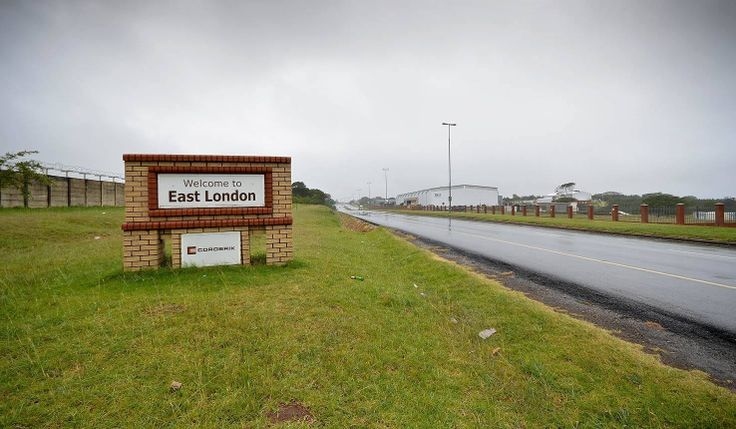
The decision to rename one of South Africa’s biggest cities has reopened a familiar national debate. Who gets to decide what places are called, and how many voices are actually heard in the process?
New details from Sports, Arts and Culture Minister Gayton McKenzie have revealed that just 290 people participated in public consultations before East London was officially renamed KuGompo City.
For a city that serves as a key hub in the Eastern Cape, the number has left many questioning whether the process truly reflected the will of the people.
A Small Room For A Big Decision
The consultations for East London’s name change took place over three days in November 2019. Across town halls in King William’s Town, Berlin and East London itself, fewer than 300 residents attended.
That is a tiny fraction of a city with hundreds of thousands of people.
While government insists the process followed all legal requirements, critics argue that participation on this scale feels disconnected from the weight of the decision.
Renaming a major city is not just administrative. It reshapes identity, history and how people relate to place.
A Long Road To KuGompo City
The idea of renaming East London is not new. The African National Congress has been pushing for the change since at least 2019.
At first, the proposed name KuGompo hit a technical roadblock because it was already used for a geographical feature. The issue was eventually resolved by adding the word “City”, allowing the name to move forward.
By February 2026, the change was officially gazetted alongside several others in the Eastern Cape.
East London is now KuGompo City on paper. But in everyday conversation, many South Africans are still adjusting.
More Than Just One Town
The renaming wave did not stop there. Graaff-Reinet, one of the oldest towns in South Africa, has been renamed Robert Sobukwe. Aberdeen and Adendorp have also received new names.
For Graaff-Reinet, over 500 people took part in consultations held between late 2023 and early 2024. Even so, resistance has remained strong.
This is not the first time the town’s name has been challenged. Previous attempts stalled after backlash from residents, showing just how deeply rooted place names can be.
Why Consultation Matters
One of the biggest criticisms of name changes in South Africa has always been the consultation process.
Many communities feel decisions are driven from the top down, with limited engagement on the ground.
McKenzie has defended the process, explaining that public participation is consultative rather than a vote. In other words, it is about gathering views, not counting them.
That distinction is important legally, but it has not quieted public concern.
For many South Africans, especially in historically complex towns and cities, names carry layers of memory. Changing them without broad participation can feel like rewriting history without consensus.
The Bigger Picture
South Africa has renamed hundreds of places since 1994 as part of a wider effort to reflect a more inclusive national identity.
In many cases, these changes have been welcomed as long-overdue corrections to colonial and apartheid-era naming.
But the East London case highlights a growing tension.
How do you balance transformation with inclusion?
And more importantly, how many voices are enough when you are renaming a city?
For now, KuGompo City stands as the official name. But like many name changes before it, the real test will be whether people on the ground choose to embrace it.