News
PRASA contract irregularities: Payments frozen, legal action underway
Inside PRASA’s crackdown on dodgy contracts as probe deepens
A clean-up operation on the rails
South Africa’s troubled rail system has been here before promises of reform, followed by revelations of mismanagement. But this time, the tone feels different.
The Passenger Rail Agency of South Africa (PRASA) says it is taking decisive action after a forensic investigation uncovered serious irregularities in contracts linked to its train overhaul programme.
At the centre of it all: allegations of overcharging, weak controls, and possible corruption tied to efforts meant to keep ageing trains running.
How the probe began
The investigation didn’t come out of nowhere.
In April 2024, PRASA received a formal complaint from a contractor who raised concerns about how the programme was being managed. Instead of handling it behind closed doors, the agency brought in external investigators a move some governance experts say signals a shift toward greater transparency.
Law firm Webber Wentzel was appointed to conduct an independent probe into seven contracts awarded in 2022 under the General Overhaul (GO) Programme.
What the contracts were meant to do
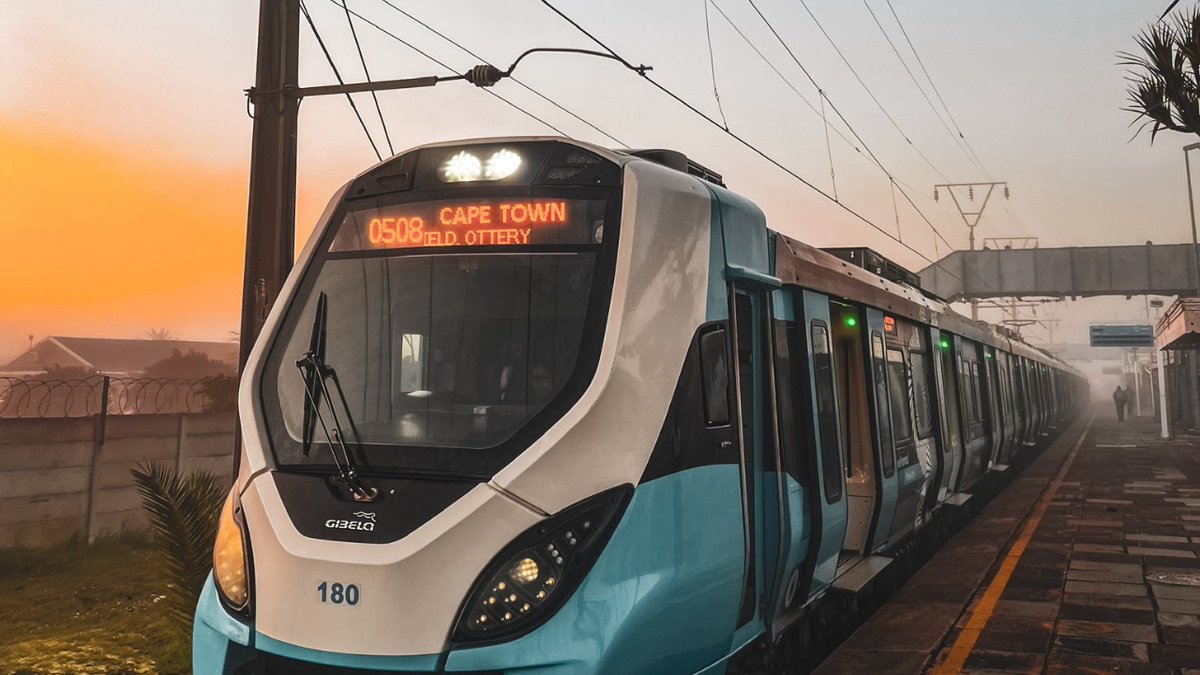
The GO Programme was designed as a temporary fix, a way to extend the lifespan of old train sets while the country transitions to newer rolling stock from the Gibela Rail Transport Consortium.
In theory, it was about keeping commuters moving.
In reality, investigators found signs that something had gone wrong behind the scenes.
What the investigation found
While the full financial impact is still being calculated, early findings point to significant overcharging by some contractors.
A draft report presented to PRASA leadership in November 2024 outlined these concerns and triggered immediate action.
Payments frozen, contracts under fire
PRASA has since moved quickly:
-
Payments to implicated contractors have been frozen
-
Some contracts are being terminated due to serious breaches
-
Others have been formally put on notice
-
Internal financial controls have been tightened
It’s the kind of response many South Africans have long demanded from state-owned entities, swift, visible, and firm.
Legal battles on the horizon
The next phase is about accountability.
PRASA has instructed legal teams to begin civil proceedings to recover funds already paid out. At the same time, internal disciplinary processes are underway against staff linked to the irregularities.
Some employees have already resigned, but the agency has made it clear that stepping down won’t shield anyone from consequences.
Cases have also been referred to the Directorate for Priority Crime Investigation for potential criminal investigation, including fraud and corruption charges.
Why this matters for commuters
For the average commuter waiting on a delayed train, this might feel like another distant scandal.
But it’s directly connected to the daily reality of public transport in South Africa.
For years, PRASA has struggled with ageing infrastructure, vandalism, and operational failures. The overhaul programme was meant to stabilise services, so any misuse of funds in that process hits twice: financially and functionally.
Public reaction: cautious optimism
On social media, the response has been mixed but telling.
Some users welcomed the crackdown, saying it’s about time officials were held accountable. Others remain sceptical, pointing out that investigations often make headlines but consequences don’t always follow.
There’s also a deeper frustration: commuters want reliable trains, not endless reports about what went wrong.
A turning point or more of the same?
PRASA insists this is part of a broader push to clean up governance as it modernises the rail network.
And to be fair, involving independent investigators, freezing payments, and pursuing legal action does mark a more aggressive stance than in the past.
But the real test lies ahead.
Will funds be recovered?
Will prosecutions stick?
And most importantly, will the rail system actually improve?
The bigger picture
South Africa’s rail network is more than infrastructure, it’s an economic lifeline, especially for working-class commuters.
Every rand lost to irregularities is a setback not just for PRASA, but for the millions who rely on trains to get to work, school, and home.
For now, the probe continues.
And for once, there’s a sense that this story might not end quietly.
{Source: The South African}
Follow Joburg ETC on Facebook, Twitter , TikTok and Instagram
For more News in Johannesburg, visit joburgetc.com