News
South Africa Braces For Record-Breaking Fuel Price Surge In April
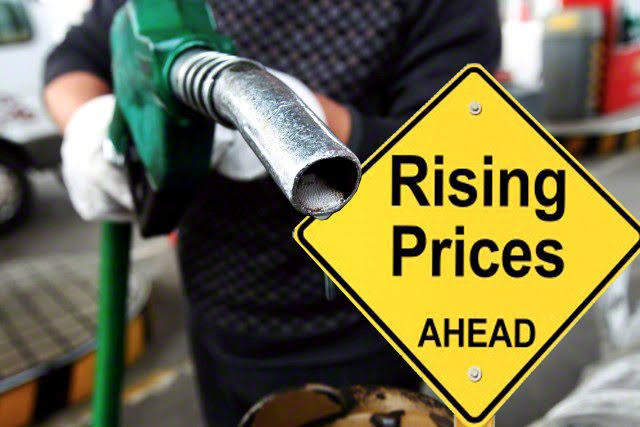
South Africans could be heading into one of the most expensive months at the pump yet, as early data signals a fuel price increase unlike anything seen before.
Fresh figures from the Central Energy Fund paint a worrying picture. Petrol and diesel prices are not just climbing, they are accelerating at a pace that could rewrite the country’s record books.
The Biggest Increase Ever Recorded
For many motorists, July 2022 still lingers in memory as the month fuel prices spiked dramatically. Back then, petrol jumped by R2.57 per litre, driven largely by global instability following Russia’s invasion of Ukraine.
This time, the numbers are on a completely different scale.
Petrol is currently sitting with an under-recovery of between R4.68 and R5.20 per litre. That alone would make it the biggest single-month increase South Africa has ever seen.
Diesel, however, tells an even harsher story. With an under-recovery exceeding R8.50 per litre, the expected increase could push prices into entirely new territory.
Diesel Drivers Facing The Hardest Hit
Diesel prices are on track to break records in a way petrol may narrowly avoid.
The previous diesel peak sat at R25.53 per litre in 2022. With the current trajectory, prices could surge beyond R27 per litre, setting a new all-time high.
For industries that rely heavily on diesel, including logistics, agriculture and public transport, the knock-on effects could ripple across the entire economy.
Petrol Prices Closing In On Historic Highs
While petrol is not expected to surpass its all-time peak just yet, it is getting dangerously close.
Petrol 95 previously reached R26.74 per litre in July 2022. Current projections suggest prices could hit around R25.50 per litre in April, before taxes are even factored in.
That gap may seem small, but for everyday South Africans already juggling rising living costs, it is significant.
Tax Increase Adds To The Pressure
Adding salt to the wound is a scheduled fuel tax increase of 21 cents per litre set to take effect from 1 April.
This means whatever increases are already looming will be pushed even higher at the pump.
In practical terms, motorists will not just feel the impact of global markets, but also domestic fiscal decisions.
Limited Relief From Government
Hopes for intervention appear slim.
National Treasury has indicated that there is little room to cushion the blow. According to Treasury director-general Duncan Pieterse, providing meaningful relief would cost the state tens of millions of rand.
With public finances already under pressure, the likelihood of significant support is low.
In short, consumers should prepare for minimal, if any, assistance.
What Is Driving The Surge
At the heart of the spike is the global oil market, which has shifted dramatically in recent weeks.
Oil prices have surged past $100 per barrel after escalating conflict in the Middle East disrupted supply routes. A key concern is the Strait of Hormuz, one of the world’s most critical oil chokepoints, responsible for roughly 20% of global petroleum flows.
Any disruption in this region sends shockwaves through global markets, and South Africa, as a net importer of fuel, feels the impact almost immediately.
At the same time, the rand has weakened against the dollar, moving from below R16 earlier this year to around R16.80 and beyond. A weaker currency makes imported fuel more expensive, compounding the problem.
What Motorists Can Expect In April
If current trends hold, fuel prices inland could look like this:
-
Petrol 93: around R25.08 per litre
-
Petrol 95: around R25.71 per litre
-
Diesel: above R27 per litre
Coastal regions will see slightly lower prices, but the increases remain steep across the board.
Illuminating paraffin is also set for a sharp rise, adding pressure on households that rely on it for daily energy needs.
A Cost Of Living Reality Check
Fuel price hikes rarely stay confined to the forecourt. They feed into transport costs, food prices and almost every part of daily life.
For South Africans already navigating high unemployment, rising electricity tariffs and broader economic strain, this looming increase is more than just a number. It is another layer of financial pressure.
April is shaping up to be a difficult month, and for many households, the real challenge will be adjusting to yet another jump in the cost of getting from point A to point B.
{Source:Business Tech}
Follow Joburg ETC on Facebook, Twitter , TikTok and Instagram
For more News in Johannesburg, visit joburgetc.com