Courts & Legal
Melgisedek eviction case heads to Supreme Court as Tshwane pushes relocation
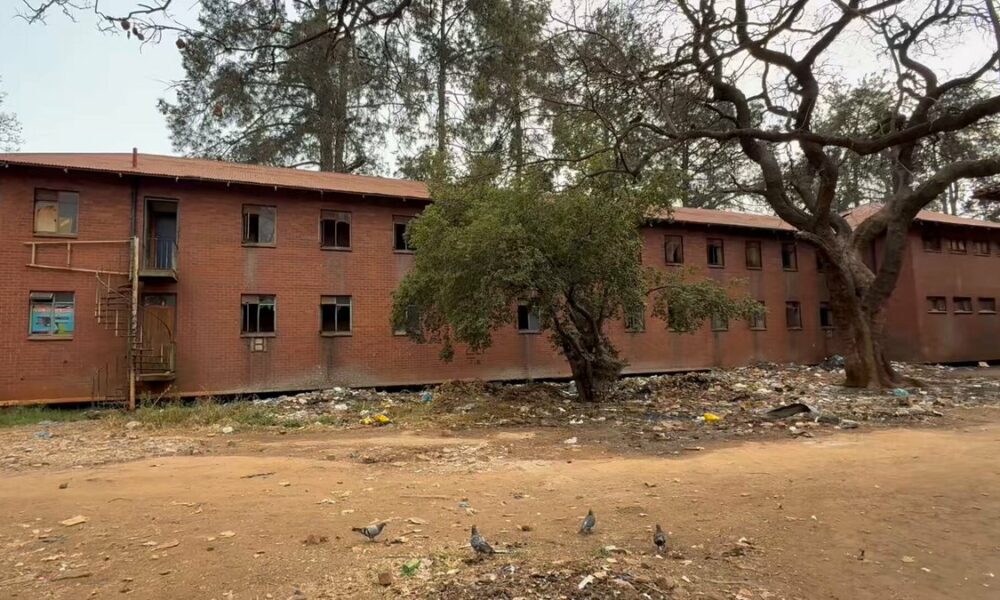
The future of hundreds of residents living in Pretoria’s Melgisedek building remains uncertain, as the eviction process takes a new turn and moves closer to the country’s highest courts.
What began as a legal effort by the City of Tshwane to clear the building has now evolved into a complex dispute involving residents, advocacy groups, and competing views on how urban housing challenges should be handled.
Appeal to the highest court
Around 450 residents who face eviction have now turned to the Supreme Court of Appeal in an attempt to halt their removal. Their legal team, led by Lawyers for Human Rights, has filed a petition challenging the relocation plan.
This move has effectively paused the eviction order, at least for now. However, the City of Tshwane is expected to return to court to argue that the eviction should proceed despite the appeal.
A relocation plan under scrutiny
At the centre of the dispute is a proposed relocation site in Gezina, about 2.4 kilometres from the current building.
The city has indicated that residents will be moved to temporary accommodation on municipal land, while officials continue efforts to address what they describe as unsafe and deteriorating living conditions in the Melgisedek building.
Earlier court proceedings highlighted serious concerns about the state of the property, with reference made to the risks posed by its condition.
Community concerns and legal pushback
The relocation plan has not gone unchallenged.
AfriForum, acting on behalf of residents and business owners in the Moot area, previously attempted to stop the move through an urgent court application. That bid was unsuccessful, but the organisation has indicated it may pursue further legal steps.
Among the concerns raised are the suitability of the relocation site, the lack of infrastructure, and the absence of consultation with the surrounding community.
Critics argue that moving a large number of people to a tented settlement could create additional risks related to safety, health, and public order.
Residents caught in the middle
For those living in the Melgisedek building, the issue is deeply personal.
Many have called the building home for years and say the proposed relocation does not offer a suitable alternative. The idea of moving to a temporary camp has raised fears about stability and living conditions.
At the same time, the city maintains that action is necessary to address urban decay and ensure safer living environments.
A broader housing debate
This case reflects a larger tension seen across many South African cities.
How do authorities address unsafe buildings while still protecting the rights and dignity of the people living in them?
The Melgisedek situation brings that question into sharp focus. It is not only about one building or one relocation site. It is about how cities balance enforcement with compassion.
What happens next
With the matter now before the Supreme Court of Appeal, the next steps will likely shape how similar cases are handled in the future.
In the meantime, the City of Tshwane is continuing its legal efforts to move forward with the eviction, setting the stage for a significant court decision in the days ahead.
For the residents, the outcome will determine not just where they live next but how their story fits into a much wider national conversation about housing, accountability, and urban life.
Follow Joburg ETC on Facebook, Twitter, TikT
For more News in Johannesburg, visit joburgetc.com
Source: IOL
Featured Image: X (formerly known Twitter)/@nasiphim