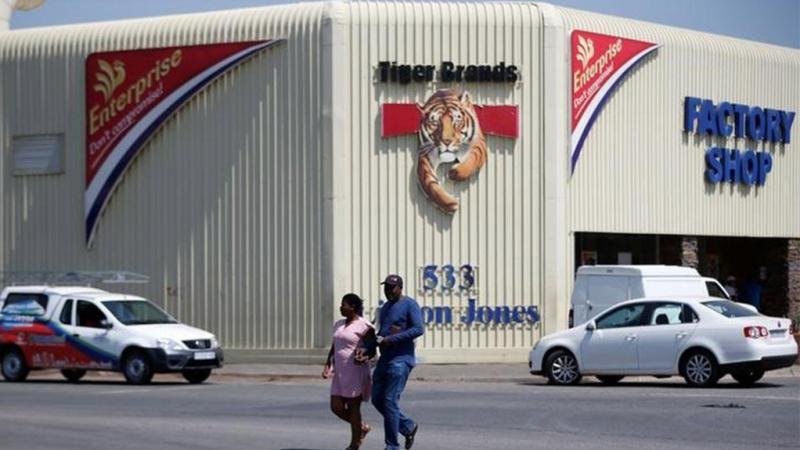
Court orders release of medical records in Tiger Brands listeriosis case
Nearly a decade after South Africa’s deadliest recorded foodborne disease outbreak, the courts have made a key ruling in the long-running battle for accountability.
The Gauteng High Court in Johannesburg has ordered that confidential medical records be released to legal representatives involved in the class action linked to the 2017 listeriosis outbreak traced to a Tiger Brands Enterprise Foods facility in Polokwane.
For families who lost loved ones and for survivors still waiting for closure the decision may help move one of the country’s most significant consumer justice cases closer to trial.
Why the ruling matters
The outbreak claimed around 218 lives, including infants, and sickened many others. It sent shockwaves across South Africa, where processed foods such as polony were household staples and lunchbox essentials in many homes.
The legal action, led by Richard Spoor, has been running for years. While some settlement offers have reportedly been made, the broader case has moved slowly.
Now, 16 claimants approached the court seeking access to records tied to the original investigation carried out by the National Health Laboratory Service and the National Institute for Communicable Diseases.
Those investigations previously linked the outbreak to a Tiger Brands processing site in Polokwane.
Judge says access outweighs privacy concerns
Judge Stuart Wilson considered whether private health information could legally be shared under the National Health Act.
He ruled that, with strict safeguards in place, the interests of claimants outweighed privacy concerns.
That means the records may now be used only for purposes directly connected to the class action, and those handling the information must keep it confidential.
This is a significant point. Courts are often cautious with medical records, but in this case the judge found that access could actually help protect affected families by allowing them to take part in the case.
Why some victims still need to be found
The lawsuit is structured as an “opt-out” class action. In simple terms, people who may qualify are included unless they choose not to be.
That creates a challenge: some affected families may still not know they are part of the case or entitled to possible compensation.
The newly released information could help lawyers trace those families, inform them of their rights and ensure any future damages reach the right people.
A painful chapter South Africa still remembers
The listeriosis crisis remains one of the most traumatic public health scandals in democratic South Africa. It raised serious questions about food safety oversight, factory hygiene and how quickly dangerous products are removed from shelves.
Many South Africans still remember supermarket panic, product recalls and households checking fridges for suspected items.
Social media reaction to the latest ruling has largely focused on one theme: justice delayed should not become justice denied.
What happens next?
The court order does not end the case, but it clears a major procedural hurdle.
With evidence gathering continuing and more potential claimants possibly identified, the decision could help accelerate a matter that has dragged on for years.
For grieving families, the legal process is about more than compensation. It is about answers, accountability and ensuring a tragedy of this scale is never repeated.