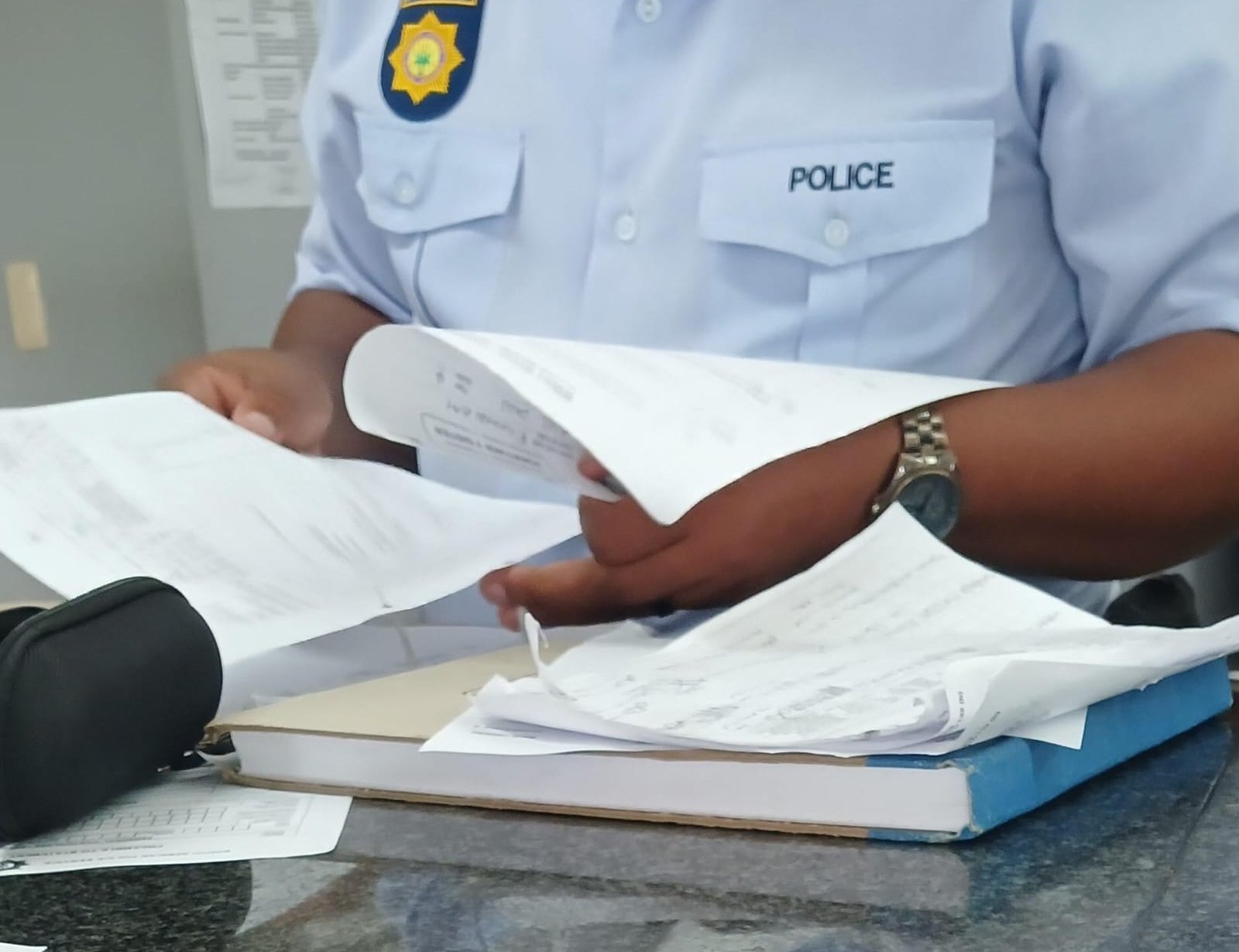
Sourced: X {https://x.com/abantuq/status/1911704222418039207?s=20}
SAPS warns leaks of criminal affidavits could endanger witnesses and derail cases
South African police have issued a firm warning over the leaking of affidavits and sensitive documents tied to criminal investigations, saying the practice could place witnesses in danger and weaken major cases before they reach court.
The alert comes after fresh media attention around documents linked to investigations into alleged drug-related criminal networks and the murder of popular musician DJ Sumbody.
Police say this is not simply about headlines or public curiosity. It is about safety, trust and the integrity of the justice system.
Why SAPS is raising the alarm now
The warning follows a weekend newspaper report that included details from an affidavit connected to the killing of DJ Sumbody, whose real name was Oupa Sefoka.
The case remains highly watched in South Africa, with alleged cartel figure Katiso Molefe and three others expected to stand trial in October 2026.
According to police, when affidavits are circulated publicly before trial, they can reveal personal information, expose witness identities and potentially alert suspects to investigative strategies.
Witnesses carry the greatest risk
National police spokesperson Athlenda Mathe said the biggest concern is the protection of witnesses and their families.
Many people who come forward in organised crime or high-profile murder cases do so under difficult circumstances. Some cooperate quietly, believing the system will shield them.
When confidential statements surface publicly, that sense of protection can collapse.
In a country where witness intimidation has long been a concern, that fear is not theoretical.
#sapsHQ [MEDIA ALERT] The #SAPS Gauteng Counter Intelligence Operation, has noted with serious concern the circulation and publication of leaked affidavits linked to ongoing investigations into drug related criminal networks in the country.
Years ago, leaked documents might have circulated quietly in limited circles. Today, one screenshot can spread across thousands of phones within minutes.
That changes everything.
Social media users often share explosive legal material without thinking about consequences: names, addresses, faces and allegations can travel faster than facts.
Online reaction to leaked case files is usually immediate but legal damage can last far longer.
More than a media ethics debate
This issue is not only about journalists or viral posts. Police also urged legal professionals to treat case material responsibly and use documents strictly for trial preparation.
That matters because criminal proceedings rely on evidence being tested in court, not in public opinion battles before trial begins.
Leaks can contaminate witness testimony, influence perceptions and complicate prosecutions.
South Africa’s history with high-profile cases
South Africans have seen several major criminal matters become media spectacles over the years. In some cases, public pressure helped demand accountability. In others, noise overshadowed due process.
That tension remains: the public wants transparency, but justice also requires secure investigations and fair trials.
Both values must coexist.
Fresh angle: trust is the real currency
Behind every affidavit is usually someone who trusted the system enough to speak.
If witnesses believe their identities or statements will be exposed, fewer people may cooperate in future murder, corruption or organised crime cases.
That could hurt not just one casebut many future ones.
What happens next?
Police have urged media houses, online users and legal practitioners to act cautiously with sensitive documents linked to live investigations.
As the DJ Sumbody murder case moves toward trial, the warning signals a broader message: justice depends not only on arrests and court dates, but on protecting the people brave enough to testify.