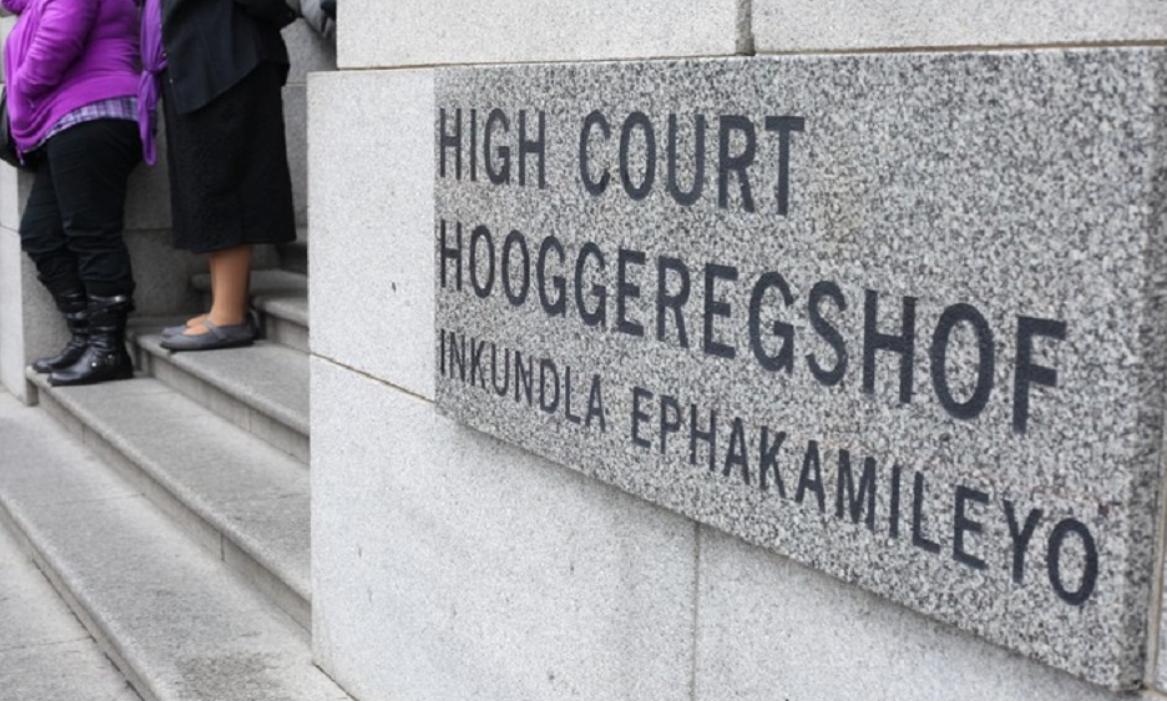
Spending nearly two years behind bars for a crime you did not commit would shake anyone. But in a surprising twist, the Western Cape High Court in Cape Town has ruled that this alone is not enough to secure a multi-million rand payout from the state.
That was the outcome for Vuyisa Eric Njikelana, whose R17 million damages claim has now been dismissed in full.
A Case That Started In Atlantis
The story traces back to 2015 in Witsand, Atlantis, where a brutal mob killing left two men dead. Njikelana was arrested in June that year and linked to the murders through witness statements and a co-accused’s account.
He remained in custody for 19 months before eventually being granted bail in March 2017. By December that year, the case against him had collapsed, and he was acquitted.
For many South Africans, that might sound like a clear case of wrongful imprisonment deserving compensation. But the court saw it differently.
Why The Court Ruled Against Him
Judge Matthew Francis focused on one key question: whether police and prosecutors acted reasonably at the time, not whether they were ultimately right.
The court found that investigators had enough information to justify the arrest. Statements from witnesses and a co-accused placed Njikelana at the scene, which met the legal threshold of “reasonable suspicion”.
In South African law, officers do not need absolute proof before making an arrest. They only need credible grounds based on available evidence.
Bail Fight And Prosecution Under Scrutiny
Njikelana also argued that prosecutors from the National Prosecuting Authority acted improperly by opposing his bail and misleading the court.
That claim did not hold up.
The court heard that prosecutors relied on several factors, including the seriousness of the charges and the fact that Njikelana was already out on bail in a separate rape case at the time. There were also concerns about his living arrangements, with evidence suggesting he did not have a fixed address.
Importantly, the judge found no proof that the bail court had been misled or that key information had been hidden.
When A Failed Case Is Not Malicious
One of the biggest misconceptions around cases like this is that an acquittal automatically points to wrongdoing by the state.
This judgment makes it clear that is not the case.
Although the prosecution eventually fell apart due to weak witnesses and evidentiary gaps, the court ruled there had been a valid basis to proceed initially. Without proof of bad intent or reckless conduct, a claim of malicious prosecution cannot succeed.
Credibility Becomes A Deciding Factor
Another turning point in the case was Njikelana’s own testimony.
Under cross-examination, he admitted that several claims in his lawsuit were not true. He also contradicted earlier statements by acknowledging he had been present at the scene of the killings.
Judge Francis described him as an unreliable witness, noting inconsistencies and inaccuracies in his version of events.
In a system where credibility often carries significant weight, this proved costly.
The Final Blow
In the end, the court dismissed all claims and ordered Njikelana to cover the legal costs of both the police and the prosecution.
It is a tough outcome for someone who spent months behind bars without a conviction. But the ruling highlights a broader reality in South Africa’s justice system.
Being acquitted does not automatically mean the system failed unlawfully. It simply means the case could not be proven beyond reasonable doubt.
And in this instance, the court found that from arrest to prosecution, the process followed the law.