News
Taxi Fares In Cape Town Could Rise As Fuel Prices Surge
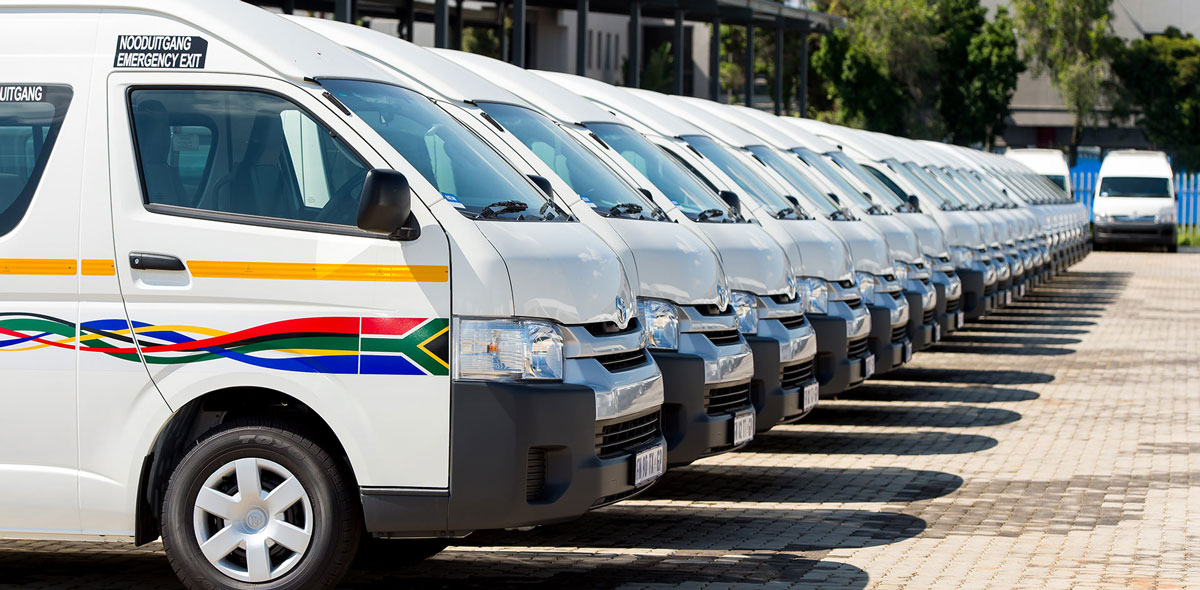
Cape Town commuters may need to brace themselves for yet another hit to their wallets, this time on their daily taxi rides. With fuel prices set for a sharp jump this week, the ripple effect could soon be felt across the city’s taxi ranks.
The South African National Taxi Council (SANTACO) in the Western Cape has warned that fare increases are on the table, although nothing has been finalised just yet.
Fuel Hikes Put Pressure On Taxi Industry
From Wednesday, petrol is expected to climb by around R5 per litre, while diesel could surge by more than R9 per litre. It is one of the steepest increases in recent memory and it is already raising concerns across the transport sector.
For taxi operators, fuel is not just another expense. It is the backbone of daily operations. Every trip, every route, and every passenger depends on it. When fuel costs spike this sharply, the pressure quickly builds.
SANTACO Western Cape chairperson Mandla Hermanus says the industry is still taking stock before making any decisions.
“We need to understand the full impact of these increases first,” he explained, noting that a clearer picture should emerge by the end of April.
Decision Still Pending On Fare Adjustments
For now, commuters will not see an immediate change at the taxi rank. But behind the scenes, associations are already doing the maths.
Hermanus indicated that local taxi associations will ultimately decide whether fares need to go up. That means there will not be a one-size-fits-all increase across Cape Town.
Instead, fares could vary depending on routes, distances, and operating costs within each association.
In practical terms, a short inner-city route may not be affected in the same way as a longer commute from the outskirts of the metro.
What This Means For Daily Commuters
Minibus taxis remain one of the most relied-on forms of transport in South Africa, especially for working-class communities. In Cape Town, thousands depend on them every day to get to work, school, and home again.
A potential fare increase, even a small one, could add up quickly over a month. For many households already dealing with rising food prices and electricity costs, it is another financial strain waiting in the wings.
A Familiar Cycle For South Africans
This is not the first time fuel hikes have triggered talk of higher taxi fares. It has become a familiar cycle in South Africa’s transport economy.
When global oil prices rise or the rand weakens, fuel costs climb. And when fuel climbs, transport fares usually follow.
The difference this time is the scale of the increase. A jump of this size places immediate pressure on operators who are already navigating tight margins.
For now, all eyes will be on the end of April, when taxi associations are expected to make their call. Until then, commuters can only hope the increases, if they come, are manageable.
{Source:EWN}
Follow Joburg ETC on Facebook, Twitter , TikTok and Instagram
For more News in Johannesburg, visit joburgetc.com