Eskom tariff deal sparks hope for jobs as unions back smelter lifeline
For years, South Africa’s industrial heart has been beating unevenly slowed by rising costs, ageing infrastructure and the steady loss of jobs. Now, a new electricity pricing deal is being seen by many as a rare moment of optimism.
A fresh agreement between Eskom and major chrome smelters has drawn strong support from labour unions, who believe it could help steady a sector that’s been on the brink.
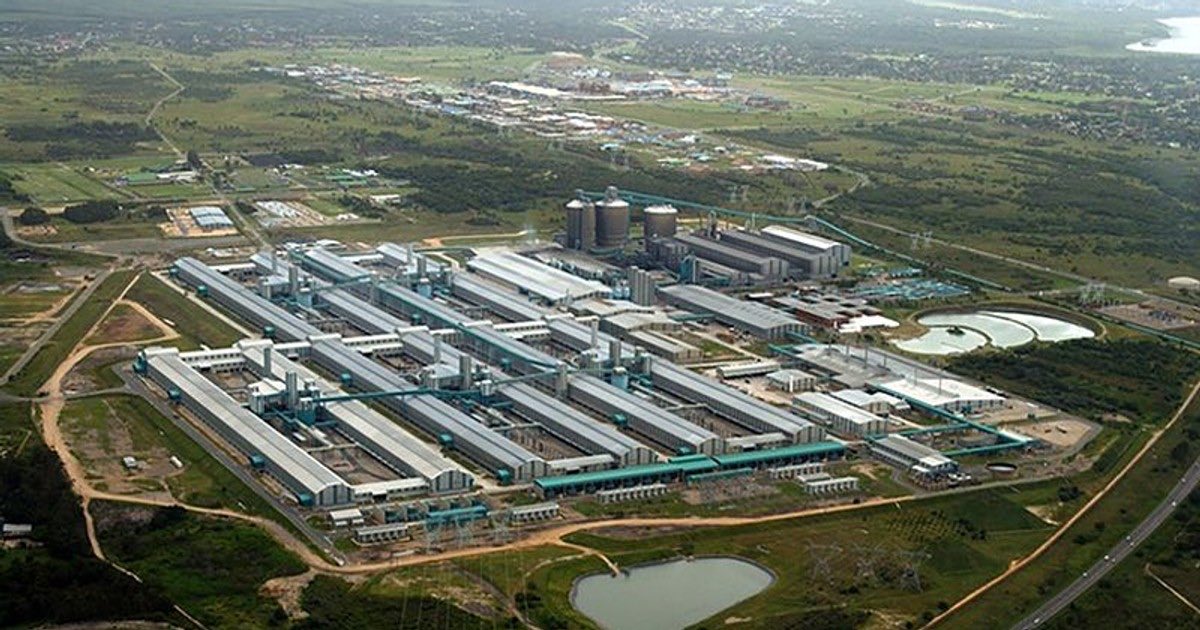
At the centre of it all is a 62c per kilowatt-hour tariff a figure that could determine whether furnaces stay cold or roar back to life.
A deal to keep the lights and jobs on
The agreement, reached with companies like Samancor Chrome and Glencore–Merafe Chrome, is designed to give smelters a fighting chance.
For Eskom, it means predictable electricity demand over the next five years something the struggling utility desperately needs. For the industry, it offers a lifeline in the face of rising operational costs and global competition.
But for workers, it’s something more immediate: the possibility of keeping their jobs.
Why unions are backing the move
Two of the country’s most influential labour groups National Union of Metalworkers of South Africa (Numsa) and Solidarity have both welcomed the agreement, though each brings its own perspective.
“Stop exporting jobs”
For Numsa, the issue goes beyond tariffs, it’s about South Africa’s economic direction.
General secretary Irvin Jim has long argued that cheap, competitive electricity is essential to beneficiation the local processing of raw minerals like chrome instead of exporting them unrefined.
In simple terms: process minerals locally, create jobs locally.
Without that, Jim warns, the country risks exporting not just resources, but entire industries and the livelihoods tied to them.
A race against retrenchments
Solidarity, meanwhile, is focused on the immediate threat facing workers.
Deputy general secretary Willie Venter described the agreement as a breakthrough that could halt looming retrenchments.
Estimates suggest up to 4,000 jobs could be preserved if the deal is approved and implemented.
In a country where unemployment hovers around crisis levels, that number carries real weight.
The bigger picture: a struggling industrial base
To understand the significance of this deal, you have to look at what’s been happening behind the scenes.
South Africa’s smelting industry once a cornerstone of heavy industry has been under pressure for years:
- Rising electricity prices have made operations less viable
- Some smelters have been forced to shut down or scale back
- Global competitors with cheaper energy have gained an edge
The result? A slow but steady process of deindustrialisation.
This tariff deal, supporters argue, could help reverse that trend by making it viable to restart dormant furnaces and increase production.
A system under strain and scrutiny
Experts and activists have long pointed out that South Africa loses significant amounts of value by exporting raw materials instead of processing them locally.
That’s why the role of regulators like National Energy Regulator of South Africa is now critical.
Both unions are urging Nersa to fast-track approval, warning that delays could undermine the deal before it even begins to make an impact.
Public reaction: cautious optimism
Online, the reaction has been mixed but hopeful.
Some South Africans see the agreement as a practical step toward economic recovery, especially in a country battling high unemployment and slow growth.
Others remain sceptical, questioning whether lower tariffs for big industry will translate into real benefits for ordinary citizens or simply boost corporate profits.
It’s a familiar debate in South Africa: how to balance business sustainability with public interest.
A rare moment of alignment
One thing stands out in this story cooperation.
In a climate where government, business and labour often clash, this agreement represents a moment where all three have found common ground.
Solidarity has highlighted this as proof that collaboration can still deliver results, while Numsa sees it as a reminder of what state-owned entities like Eskom can achieve when aligned with national development goals.
What happens next?
Everything now hinges on regulatory approval.
If signed off, the deal could:
- Stabilise smelter operations
- Protect thousands of jobs
- Boost industrial output
- Strengthen Eskom’s revenue base
But if delayed or rejected, the window of opportunity could close quickly.
This isn’t just about electricity pricing, it’s about the future of South Africa’s industrial economy.
At a time when jobs are scarce and industries are under pressure, the Eskom tariff deal offers a glimpse of what’s possible when policy, business and labour pull in the same direction.
Whether it becomes a turning point or just a temporary fix, will depend on what happens next.