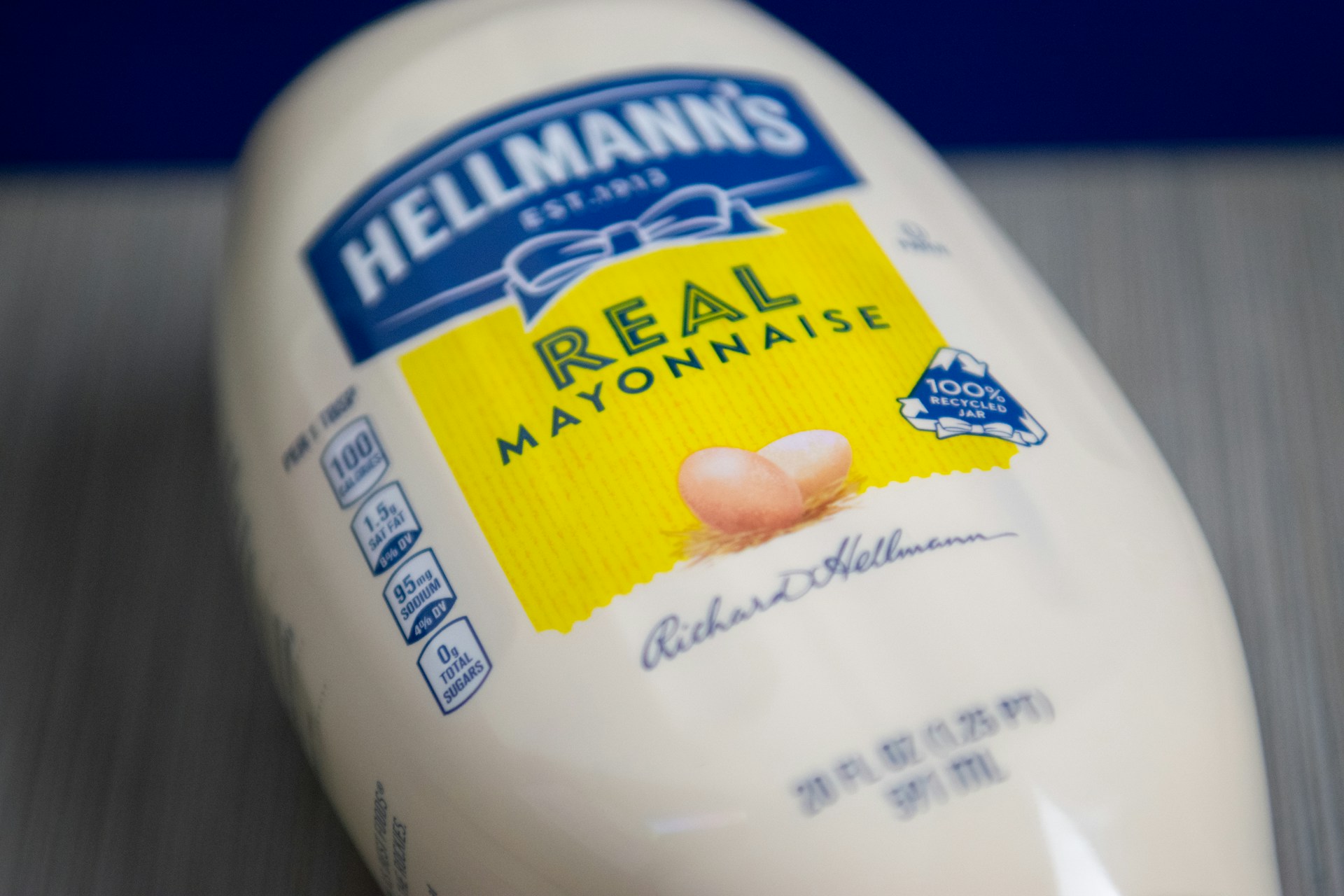
If you’ve ever stood in a supermarket aisle debating between “light mayo” and “reduced oil dressing”, the rules behind those labels are about to get a lot clearer.
South Africa’s Department of Agriculture has officially gazetted a fresh set of regulations that reshapes how mayonnaise and salad dressings are classified, labelled, and marketed. It’s the biggest update to these rules since 2000, and it comes after years of changes in how these products are actually made and sold.
For everyday shoppers, it means fewer grey areas and more transparency. For brands, it means tightening up claims and playing by clearer rules.
Why The Rules Are Changing Now
The update did not happen overnight. Back in 2023, draft amendments were published as the department tried to bring local standards in line with modern products on the shelves.
Over time, manufacturers began experimenting with lower oil formulations that did not neatly fit into the old categories. One example that stood out was mayonnaise with just 23 percent oil content, slightly below the previous global benchmark.
Rather than allowing one supplier to bend the rules, the department chose a broader solution. It rewrote the classifications to reflect what is actually being sold today, while still protecting fair competition.
The goal is simple. Create a level playing field for producers and give consumers clearer information when choosing what goes into their basket.
How Mayonnaise And Dressings Are Now Classified
At the heart of the changes is oil content. That is now the key factor that determines whether something qualifies as mayonnaise, salad cream, or a dressing.
Traditional mayonnaise remains unchanged and must still contain at least 52 percent oil.
The big shift comes in the reduced oil category. Previously, reduced oil mayonnaise had to sit between 25 and 39 percent oil content. That threshold has now been lowered to 22 percent at the bottom end, opening the door for newer, lighter formulations.
Other categories remain largely consistent, but the framework is now clearer across the board:
- Salad cream still starts at 25 percent oil
- Reduced oil salad cream stays between 13 and 18 percent
- Salad dressings range from 12 to 50 percent oil
- Reduced oil dressings fall between 0.5 and 12 percent
- Oil free dressings remain below 0.5 percent
A new addition also appears in the form of “salad oil dressing”, which must contain between 60 and 95 percent oil.
Beyond oil content, most of these products still rely on a mix of acidifying agents, proteins like egg or soya, and approved additives to achieve their texture and taste.
What You Can And Cannot Call It
If you are used to grabbing a bottle labelled “mayo”, this is where things get stricter.
Under the new rules, abbreviations are out. Products cannot use shortened terms like “mayo” on packaging. They must use the full class name such as mayonnaise or salad dressing.
There is some flexibility, though. “Vinaigrette” can still be used, but only if vinegar is the acidifying agent. “Aioli” is also allowed, provided it is essentially mayonnaise with garlic as part of its flavour.
What is not allowed is misleading branding. A product that is not meant to replace mayonnaise or dressing cannot use similar wording or suggest that it belongs in that category. Those products must clearly present themselves as sauces, dips, or condiments instead.
Stricter Rules On Health Claims
One of the biggest shifts is how brands can talk about “reduced” or “light” products.
In the past, it was enough to place the word “reduced” near a comparison. Now, the bar is higher.
To make a reduced claim, the product must show at least a 25 percent difference in fat or energy compared to a standard version. It also needs to clearly state that difference, rather than relying on vague wording.
Terms like “light”, “lite”, “less than”, or “fewer” are no longer free to use unless the product genuinely meets the reduced oil criteria.
For South African shoppers, this could mean fewer marketing tricks and more honest labels.
When These Changes Take Effect
The regulations have officially been gazetted under the Agricultural Product Standards Act, but they will not hit shelves immediately.
Manufacturers have a 12 month window to comply, with the new rules taking full effect on 24 April 2027.
That gives brands time to reformulate products, redesign packaging, and ensure they meet the updated standards.
What It Means For Your Grocery Basket
For many South Africans, mayonnaise and salad dressings are everyday staples, from braais to lunchboxes to quick weeknight meals.
These new rules may not change the taste overnight, but they will change how products are presented and understood.
Expect clearer labels, more consistent categories, and fewer confusing claims the next time you walk down that aisle.
In a market where small wording changes can influence buying decisions, this update is less about bureaucracy and more about giving consumers the final say, backed by better information.