Motoring
2026 fuel price hikes are changing how South Africans drive what motorists need to know
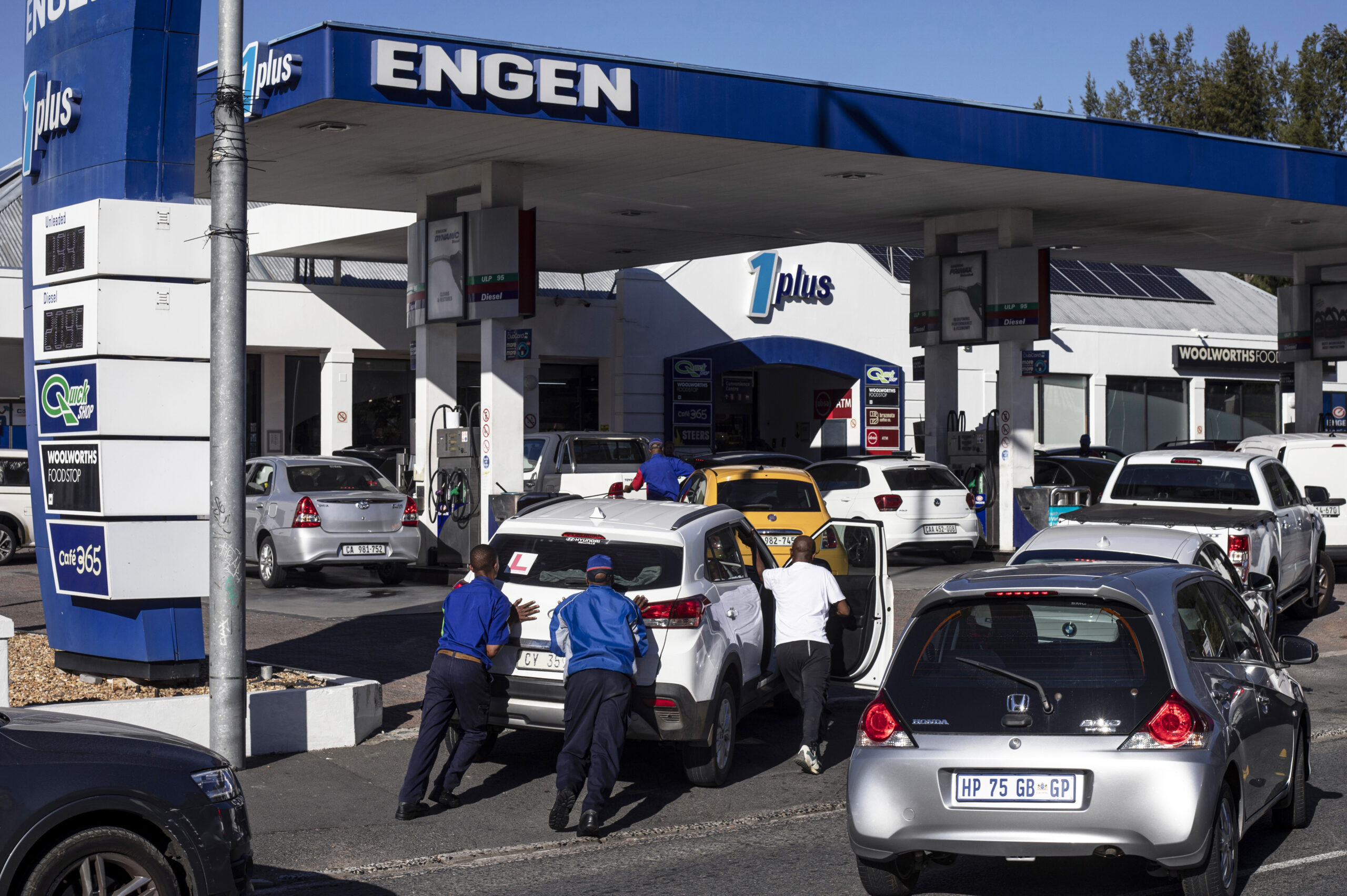
Why motorists are driving less
After a run of large increases, motorists are reacting immediately. In April 2026 petrol rose by R3.06 per litre and diesel by R7.51 per litre. In May 2026 petrol increased by R3.27 per litre and diesel by R6.18 per litre. A temporary tax relief of R3 per litre was introduced by government to soften the impact.
What the data says
Data from Discovery Insure, which tracks the driving behaviour of over 200,000 clients, shows a clear pullback in fuel use after the price shocks:
- Fuel purchases dropped by 35% in April.
- Trips fell by 10%.
- Total distance travelled dropped by 9%, even over the Easter weekend.
“The data shows a clear and immediate response to 2026 fuel price hikes. Consumers are tightening their belts by driving less, combining trips and being more deliberate about when they use their cars.”
How consumers are adjusting
Discovery Bank’s SpendTrend26 report found that most fuel spending remains for necessities commuting, school runs and shopping while discretionary travel has been pared back. More than half of consumers report using ride-hailing services more often than a year ago, and that use is higher among younger people.
What to expect for June and beyond
Market forecasts cited in the report suggest mixed movement at the wholesale level: wholesale diesel prices could drop by up to R2.44 per litre for the 0.05% sulphur grade, while petrol is forecast to rise by about R1.69 per litre. Meanwhile, National Treasury plans to halve the temporary fuel levy relief to R1.50 per litre from June, with the remaining relief due to be removed in July if prices continue to trend down.
Keep an eye out for the official fuel price announcement on 3 June 2026 from the DMPR before any changes take effect at midnight.
Practical tips for motorists
Based on observed behaviour in the data, here are practical, source-backed steps motorists can take to reduce fuel spend and trips:
- Combine errands and plan journeys to reduce the number of trips.
- Be deliberate about vehicle use prioritise essential journeys such as work, school and groceries.
- Consider using ride-hailing more often for discretionary trips, a behaviour that has already increased for many consumers.
- Monitor official fuel price announcements and wholesale forecasts to time larger refuels if possible.
Bottom line
The latest 2026 fuel price hikes have already pushed many South Africans to drive less and spend less on fuel. With mixed wholesale forecasts and changes to the temporary levy relief ahead, motorists should plan journeys carefully and watch the 3 June 2026 announcement from the DMPR for the next official price update.
Follow Joburg ETC on Facebook, Twitter, TikTok and Instagram
For more News in Johannesburg, visit joburgetc.com
Source: thesouthafrican.com