News
Analysts accuse parties of weaponising illegal immigration ahead of 2026 local polls
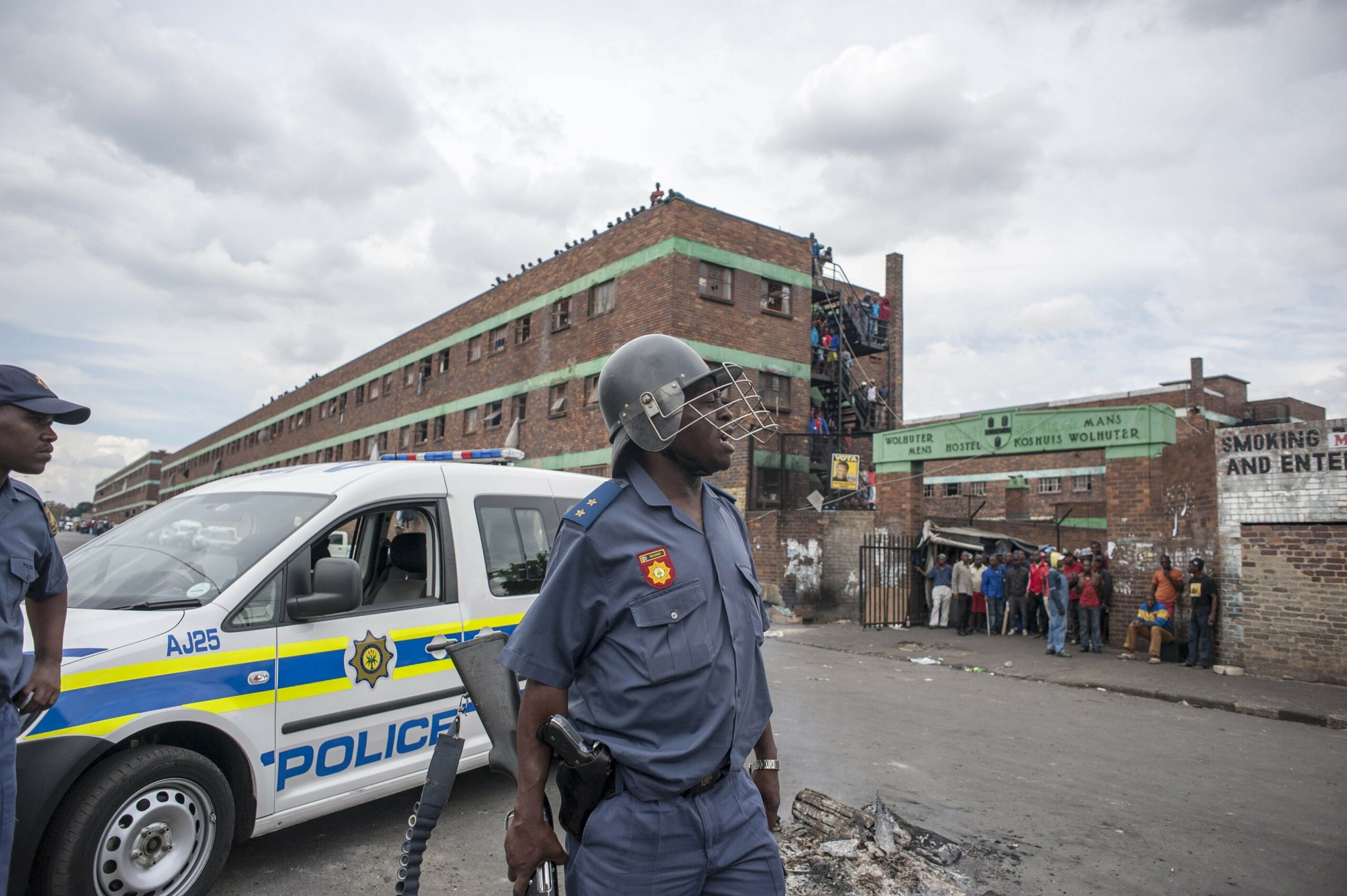
Analysts say anti-immigrant rhetoric is surfacing as local elections approach
International relations analyst Dr Kingsley Makhubela has accused political parties of fanning anti-immigrant campaigns to win support ahead of the 2026 local government elections. His comments follow a wave of protests and clashes in several provinces over the issue.
Where the campaigns are happening and who is involved
The campaigns have been visible in KwaZulu-Natal, Gauteng and the Eastern Cape. Political parties seen taking part in protests include the uMkhonto weSizwe Party (MKP) and ActionSA, while marches organised by the March and March movement have also been prominent.
Violence and police response in Durban
Chaotic scenes unfolded outside Durban Central police station when hundreds of foreign nationals gathered seeking protection. It was reported that police fired teargas and rubber bullets to disperse the crowd. Many of those who fled later sought shelter at the Diakonia Centre in the Durban CBD, alleging attacks on foreigners in their homes.
Analysts and civil-society voices call for law-enforcement action, not political point-scoring
Makhubela criticised the timing and use of immigration as an electoral issue. He said:
“The big problem in the country is that this matter flares up during political campaigns, and you find them (political parties) using the question of illegal immigrants to campaign. Now with the local government elections building up, you are going to see this issue becoming more and more prominent, and you find political parties using different strategies, including illegal immigrants, for campaign.”
He added that local government elections should focus on service delivery rather than immigration:
“The local government elections should be about the bread and butter and service delivery.”
Makhubela said immigration enforcement is a matter for law enforcement, not a campaign issue:
“I don’t think it belongs to any political campaigns, as law enforcement should manage it.”
Views from immigrant-rights groups and party responses
African Diaspora Forum chairperson Amir Sheikh said the police are the first point of help when foreigners are attacked and warned that refugees and asylum seekers should avoid contacting their embassies to preserve South African protection. Sheikh said:
“If they are refugees or asylum seekers, they cannot report to any of the embassies because that would be tantamount to availment, which means that once they have contact with their embassies, they will lose the protection of the South African government because their primary protection lies with the South African government.”
Sheikh also noted:
“From there, the police would identify whether it is safe for them to return to where they were uprooted or whether there should be an issue of humanitarian assistance.”
Responding to Makhubela, MKP spokesperson Sifiso Mahlangu emphasised the party’s support for lawful, regulated immigration and the right to protest, saying:
“We support the constitutional right to peaceful and lawful protest, and we recognise the concerns of communities regarding illegal migration, undocumented migrants, and the unlawful employment of undocumented workers. However, this must exist alongside lawful, fair, and properly regulated immigration systems that protect the interests and sovereignty of South Africa.”
ActionSA KwaZulu-Natal leader Zwakele Mncwango rejected the claim that his party’s stance was election opportunism, saying the party had adopted immigration and border-security positions before the 2024 national elections. He said:
“ActionSA has maintained a clear and consistent policy position on immigration long before the upcoming 2026 local government elections. … It is, therefore, misleading to suggest that our stance is a recent election strategy.”
March and March leader Jacinta Ngobese-Zuma, whose organisation protested in Pinetown, distanced the movement from party politics, saying:
“We are not a political party, so I can’t answer on behalf of political parties.”
What analysts say should happen next
Makhubela said protection of immigrants is the responsibility of the receiving state and suggested law enforcement should handle illegal immigration. He told reporters:
“In this case, the South African state has the obligation to give protection to anyone in the Republic, irrespective of whether they are here illegally or not.”
The recent unrest and competing narratives from parties, analysts and civil-society actors underline tensions over immigration ahead of the 2026 local government elections and raise questions about whether the issue will be shaped more by law enforcement and policy or by electoral campaigning.
Follow Joburg ETC on Facebook, Twitter, TikTok and Instagram
For more News in Johannesburg, visit joburgetc.com
Source: iol.co.za