Business
Fuel shock pushes inflation to 19-month high what it means for Johannesburg residents

Record fuel jumps push annual inflation to 4.0%
South Africa’s annual consumer inflation rose to 4.0% in April, up from 3.1% in March, as sharp increases in fuel prices filtered through the economy and lifted transport costs, Statistics South Africa said.
How big was the fuel shock?
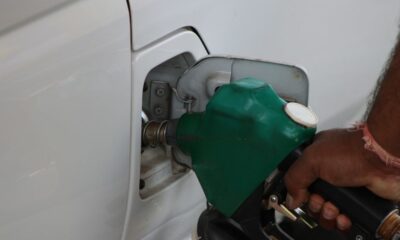
The surge in fuel prices was dramatic: petrol rose by 15.2% and diesel by 35.4% between March and April. Statistics South Africa said the fuel index climbed 18.2% month-on-month, the steepest monthly increase since the current consumer price index series began in 2008.
Inland 93‑octane petrol moved from R20.19 per litre in March to R23.25 in April. The average diesel price increased from R21.28 to R28.80 per litre over the same period.
Transport costs and everyday price pressures
Statistics South Africa reported that higher fuel prices fed directly into transport costs. The passenger transport services index rose 3.1% month-on-month, the largest monthly increase since July 2022, with airfares climbing a further 24.5% in April after a 14.3% rise in March.
These jumps translated into renewed pressure on consumers, with the monthly consumer price index up 1.1% in April, prompting concern about possible interest rate moves.
What economists are watching
Economists told reporters the Reserve Bank will be monitoring whether higher fuel costs lead to broader price increases across the economy.
“The Reserve Bank is really concerned that this sharp rise in fuel prices will mean that much more prices in the economy will start to rise,”
said Elna Moolman, head of South Africa macroeconomic research at Standard Bank Group.
“From a market perspective, the Forward Rate Agreement curve now shows over a 100 basis point hike in the repo rate for this year on the elevated consumer price index outcome,”
said Annabel Bishop, Investec chief economist, who also said the elevated inflation outcome increases the chance of a 0.25 percentage point interest-rate hike at the Reserve Bank meeting.
“Inflation risks remain tilted to the upside. Global oil prices are expected to remain elevated should the Iran conflict persist, sustaining pressure on fuel costs,”
said Lerato Ntuli, economist at Anchor Capital. Ntuli also noted that the removal of the temporary R3/litre between June and July 2026 is expected to add to inflationary pressures in the coming months.
Some offsets and broader context
Not all components of inflation rose. Statistics South Africa said core inflation excluding food and energy was about 3.6%, indicating underlying inflation remained relatively contained for now. Annual inflation for food and non-alcoholic beverages eased to 2.9% in April from 3.6% in March, with several staples still in deflation.
Meanwhile, the insurance index rose 1.3% month-on-month largely because of medical aid contribution increases, and annual health insurance inflation reached 8.3%.
What this means for Johannesburg residents
For Johannesburg households, the immediate effects are clear within the facts published: higher petrol and diesel prices have already lifted transport costs, and those increases have contributed materially to the rise in the consumer price index. The sharp monthly CPI increase and economists’ warnings mean consumers may face higher borrowing costs if the Reserve Bank tightens policy to counter rising inflation.
- Higher pump prices: Inland petrol and diesel price jumps were significant and translated into higher costs for motorists.
- Rising transport fares: Passenger transport and airfares saw some of the largest monthly increases, affecting commuters and travellers.
- Possible rate action: Economists say the elevated inflation outcome increases the chance of an interest-rate hike, which could raise loan and mortgage repayments.
Looking ahead
Statistics South Africa’s figures show the fuel-driven inflation shock pushed annual CPI to its highest level since August 2024. Authorities and markets will be watching whether these fuel increases cause “second-round effects” that lift prices in other sectors. For now, core inflation and slowing food inflation offer some relief, but fuel remains the dominant factor behind April’s inflation spike.
Follow Joburg ETC on Facebook, Twitter, TikTok and Instagram
For more News in Johannesburg, visit joburgetc.com
Source: iol.co.za