News
What South Africa’s nationwide groundwater push means for cities
Department launches groundwater interventions as municipalities struggle
The Department of Water and Sanitation (DWS) has described a series of nationwide groundwater and rural water supply interventions aimed at communities that lack municipal infrastructure. According to reporting in the Citizen, the department is rolling out a Nationwide Groundwater Programme framed as an emergency intervention to address water shortages in unserved communities.
What the programme involves
The department said it has developed a community needs list in consultation with municipalities and is conducting site verifications to inform provincial implementation strategies and funding models. DWS plans to work with the private sector as part of this rollout, the Citizen reports.
Rural supply measures
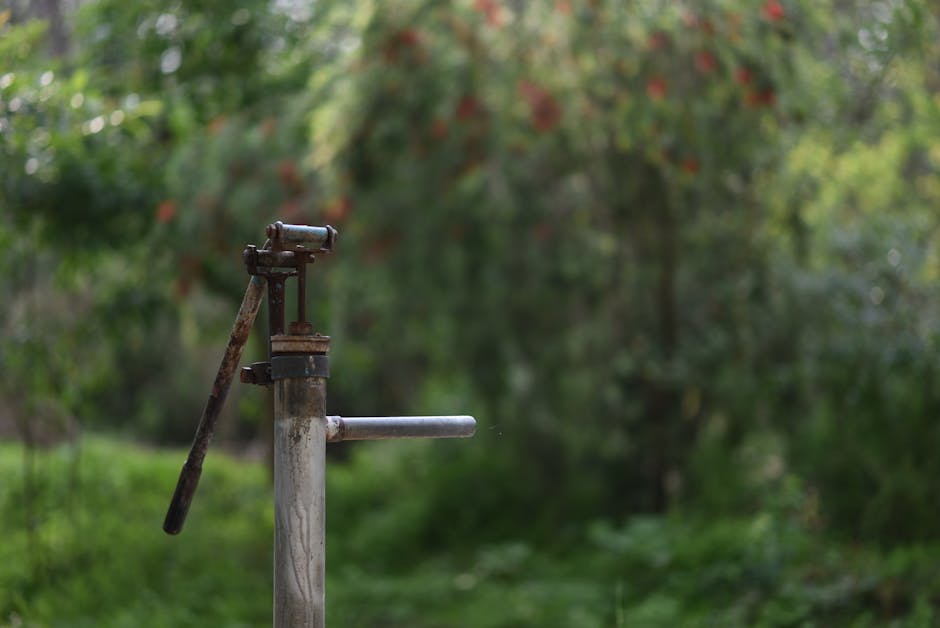
For areas without municipal infrastructure, the department is pursuing a separate rural water supply programme centred on boreholes, protected springs and household rainwater harvesting, according to the Citizen.
National funding and wider reform push
The Citizen reports several national funding and reform measures that frame the groundwater push. These include:
- More than R60 billion allocated annually to water services authorities, the Citizen says.
- The department estimates a national infrastructure backlog of R400 billion, according to the Citizen.
- Over the past five years, approximately R30 billion has been directed to the 105 worst-performing water services authorities to restore infrastructure, the Citizen reports.
- National Treasury has introduced a new R54 billion performance-based incentive grant for metropolitan municipalities, the Citizen says.
Programmes, enforcement and planning
DWS has also revived its Blue Drop, Green Drop and No Drop assessment programmes and said municipalities found non-compliant must implement Corrective Action Plans. The department told the Citizen that where there is continued non-compliance, enforcement measures including directives and legal action may follow.
The Citizen reports the department is encouraging water services authorities to insource water carting services and that carting should be a temporary, last-resort measure when piped systems have failed.
The department is developing Five-Year Reliable Water and Sanitation Services Delivery Plans for each water services authority. The Citizen reports the department described these plans as improving prioritisation, sequencing and long-term sustainability of interventions.
Why groundwater appears in national strategy
The Citizen frames groundwater and rural supply measures as part of immediate stabilisation steps where municipal systems are absent or failing. The community verification work and private-sector partnering described by the department indicate a targeted approach to directing resources and implementation to specific local needs.
What to watch next
Key developments to follow include site verification outcomes, provincial implementation strategies, and how DWS links groundwater interventions to the broader funding and enforcement measures outlined by the department and reported in the Citizen. These will determine how quickly borehole and rural-supply projects move from planning to delivery.
Follow Joburg ETC on Facebook, Twitter, TikTok and Instagram
For more News in Johannesburg, visit joburgetc.com
Source: citizen.co.za