Health
Cambridge trial shows AI-designed vaccine could shift pandemic response from reactive to anticipatory

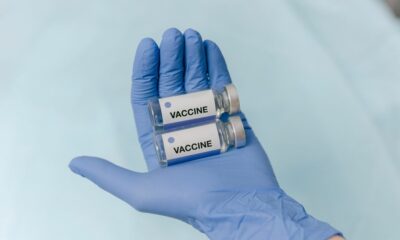
A University of Cambridge team has published early human trial results for a vaccine whose core component was designed entirely by artificial intelligence, a development researchers say could change how the world prepares for future pandemics.
What the trial found
The trial, reported in the Journal of Infection, involved 39 healthy volunteers and was designed primarily to assess safety. Results confirmed the vaccine was safe and well tolerated, with no significant side effects. The vaccine also triggered immune responses against SARS‑CoV‑2, the original SARS virus, and related bat coronaviruses that have not infected humans.
A Phase II study involving over 200 participants is now underway to assess the depth and durability of that immune response.
How the AI approach works
Rather than designing a vaccine against a single known strain, researchers at Cambridge and their spin‑out company DIOSynVax fed an artificial intelligence the genetic codes of every known Sarbecovirus the coronavirus family that includes SARS‑CoV‑2, the original SARS virus and dozens of related bat viruses. The AI analysed features that are structurally conserved across the family and designed a synthetic “super‑antigen” intended to train the immune system to recognise and attack the entire viral family, not just one strain.
Delivery method
The vaccine was administered needle‑free using a micro fluid jet that pushes vaccine material directly into skin cells through a high‑pressure, hair‑thin stream of liquid. The reporting notes the delivery mechanism matters because needle‑free administration removes a persistent logistical barrier to mass vaccination in lower‑income settings.
Applications beyond coronaviruses
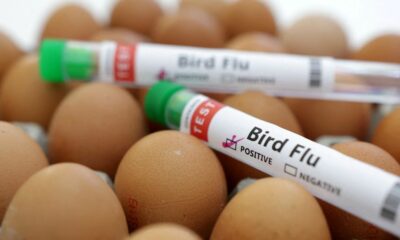
The Cambridge team is applying the same AI methodology to other viral families. The DIOSynVax pipeline includes candidates for seasonal flu and pandemic influenza threats, haemorrhagic fever viruses, and coronaviruses including SARS‑CoV‑2. Work on an H5N1 bird flu vaccine is ongoing in animal trials. A vaccine targeting the haemorrhagic fever family, which includes the Ebola species currently circulating in the Democratic Republic of Congo for which no approved vaccine exists, is also in development.
Expert comment and access concerns
Professor Andy Pollard of the Oxford Vaccine Group, who was not involved in the research, said AI tools have the potential to predict how the immune system will respond to a vaccine, making development significantly faster.
“It will save lives,” he said.
The report also highlights access questions: the scientific advance is significant, but a vaccine in a Cambridge laboratory is different from one that reaches communities in Central Africa, Southeast Asia or rural South America. The reporting notes the research was funded through Innovate UK, a public body, which could affect pricing and access arrangements. The Phase II results are described as the real test for reach and durability.
Why this could matter
Advocates describe the method as a possible paradigm change: rather than chasing individual viral strains, the AI approach aims to anticipate conserved features across a viral family and compress the time spent in the design phase. The Cambridge team says the tools now exist to shift from reacting to viruses to anticipating them a development that, if borne out by further trials, could reduce the human and economic toll of future pandemics.
Follow Joburg ETC on Facebook, Twitter, TikTok and Instagram
For more News in Johannesburg, visit joburgetc.com
Source: iol.co.za