Health
Rising measles cases in South Africa prompt intensified vaccination drive
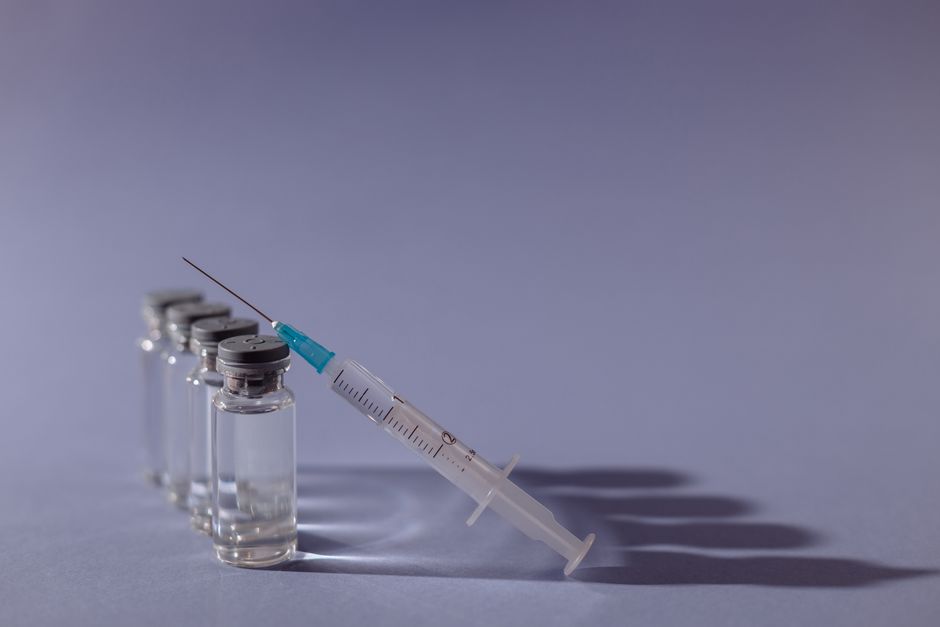
South Africa has recorded 2,476 laboratory-confirmed measles cases between 29 December 2025 and 21 June 2026, and health authorities are stepping up vaccination and surveillance measures to curb ongoing outbreaks.
Who is being affected and where
The National Institute for Communicable Diseases (NICD) reported that 2,476 laboratory-confirmed measles cases were recorded nationally for ISO Weeks 1–25 (29 December 2025 to 21 June 2026). The NICD said most cases were among children aged 1–14 years (1,749 of 2,476; 70.6%), while 437 cases (17.7%) occurred in people aged over 15 years.
Provincial reports identified recent new-case counts as follows: Free State 132, Western Cape 58, Gauteng 46, Northern Cape 44, Limpopo 36, Mpumalanga 28, Eastern Cape 20, KwaZulu-Natal 6, and North West 4, the NICD said.
Outbreak locations and trends
The NICD said outbreaks are ongoing across South Africa, with the Western Cape particularly the City of Cape Town the most affected province. The institute noted that outbreaks typically occur where vaccination coverage is low, and where many children are unvaccinated or under-vaccinated (having received only one of the two recommended doses).
New outbreaks reported in the four-week period from 24 May to 21 June 2026 included districts in several provinces: Fezile Dabi and Xhariep in the Free State; eThekwini, King Cetshwayo and uMkhanyakude in KwaZulu-Natal; and Pixley Ka Seme in the Northern Cape, the NICD said.
Health department response and vaccination efforts
In response to a parliamentary question, Health Minister Dr Aaron Motsoaledi outlined measures the national and provincial departments have implemented to raise measles vaccine coverage toward the 95% target. These include:
- routine immunisation strengthening
- intensified catch-up vaccination and mop-up activities in low-performing districts
- use of DHIS data to identify missed and under-immunised children
- targeted support to provinces and districts with low coverage
- monitoring of first- and second-dose coverage, defaulter tracing, and strengthened outreach services
- improving vaccine availability at facility level
Motsoaledi said the department supports provinces through national coordination and the Big Catch-Up initiative, which targets children who missed vaccinations since 2022. Key efforts include improving cold chain infrastructure and district- and facility-level microplanning to reach zero-dose and under-vaccinated children.
Focus on low-coverage provinces and Limpopo
All provinces were directed to develop provincial immunisation improvement plans, with the lowest-coverage provinces prioritised for intensified technical support. The minister said Limpopo is receiving prioritised support to address low measles first-dose coverage, including strengthening district-level catch-up plans, improving defaulter tracing, intensifying community mobilisation, monitoring stock availability, and reaching missed children through outreach and facility services.
The NICD and the health department emphasised the importance of maintaining high vaccine coverage to prevent measles transmission and outbreaks where immunity gaps exist.
Challenges identified
Motsoaledi said that while progress has been made in strengthening immunisation services and disease surveillance, current coverage levels remain below national targets. He identified several contributing factors: increasing vaccine hesitancy and refusals, missed opportunities for vaccination, challenges reaching under-immunised populations, and persistent health system constraints in some areas.
To address these issues, the department is implementing intensified catch-up activities, defaulter tracing, targeted outreach services, strengthened monitoring of coverage data, enhanced disease surveillance, and community engagement and risk communication to increase vaccination coverage and reduce hesitancy.
This article is based on NICD and Department of Health reports published between 29 December 2025 and 21 June 2026, and statements made by Health Minister Dr Aaron Motsoaledi to Parliament.
Follow Joburg ETC on Facebook, Twitter, TikTok and Instagram
For more News in Johannesburg, visit joburgetc.com
Source: iol.co.za