News
World Cup warning: How to tell fake from counterfeit merchandise
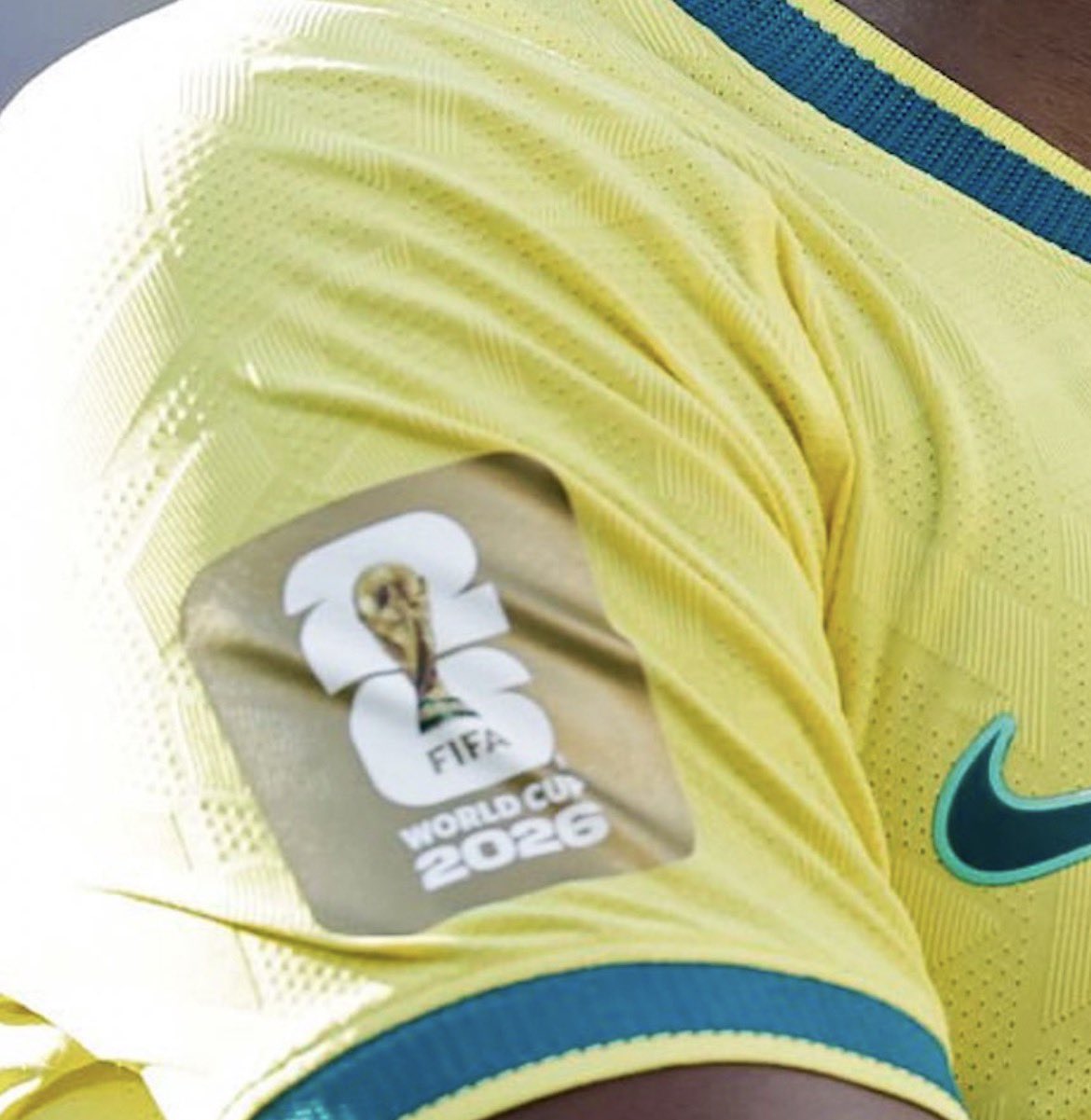
The FIFA World Cup has brought a surge in demand for jerseys, scarves, flags and other memorabilia and with that comes a growing warning from authorities, brands and consumer watchdogs about counterfeit and fake merchandise. A recent raid seized R10 million worth of counterfeit items, underscoring the scale of the problem.
What is the difference between counterfeit and fake goods?
Understanding the distinction helps shoppers spot risky purchases. A counterfeit product is deliberately designed to imitate a genuine branded item and unlawfully uses a company’s trademarks, logos, packaging or branding to present itself as authentic. For example, a jersey carrying FIFA branding or a national team logo without authorisation would be counterfeit if it is marketed as official merchandise.
A fake product is a broader term for an item that is not genuine. It may copy the appearance of a popular product but does not necessarily use protected trademarks or claim to be official. In short, all counterfeit goods are fake, but not all fake goods are counterfeit.
Why buying counterfeit goods is a concern
Counterfeit and fake merchandise carry several risks for consumers, businesses and economies.
Poor quality and safety
Counterfeit products are typically made without standard quality controls. Jerseys may fade after a few washes, footballs may not meet safety standards and electronic accessories sold alongside sporting events may pose fire or electrical hazards.
Links to criminal activity
Law enforcement agencies have warned that profits from counterfeit goods can be connected to organised criminal networks. Counterfeiting operations often evade taxes, exploit workers and operate outside legal frameworks, allowing money from sales to potentially support broader criminal activity.
Economic damage and limited consumer protection
Counterfeit sales undermine legitimate businesses that invest in design, licensing and manufacturing, which can affect jobs and tax revenue. Purchases of counterfeit goods also come with limited consumer protection: there is usually no warranty, return policy or reliable recourse if items are defective or never delivered.
How to spot counterfeit merchandise
Consumers are urged to look for these warning signs when shopping for World Cup-related items:
- Prices that seem unusually low.
- Poor stitching, printing or packaging.
- Missing authenticity labels or holograms.
- Sellers with little or no verifiable contact information.
- Social media adverts offering “official” merchandise at deep discounts.
- Websites that lack secure payment systems or customer reviews.
Practical advice for shoppers
To reduce the risk of buying fake or counterfeit products, consumers are advised to purchase merchandise only from authorised retailers and official tournament partners. The excitement around the World Cup creates opportunities for both legitimate businesses and counterfeiters; a seemingly cheap souvenir can carry wider consequences for buyers and for the broader economy.
Follow Joburg ETC on Facebook, Twitter, TikTok and Instagram
For more News in Johannesburg, visit joburgetc.com
Source: iol.co.za