News
Load shedding falls but bills rise: why South Africans are paying more for electricity
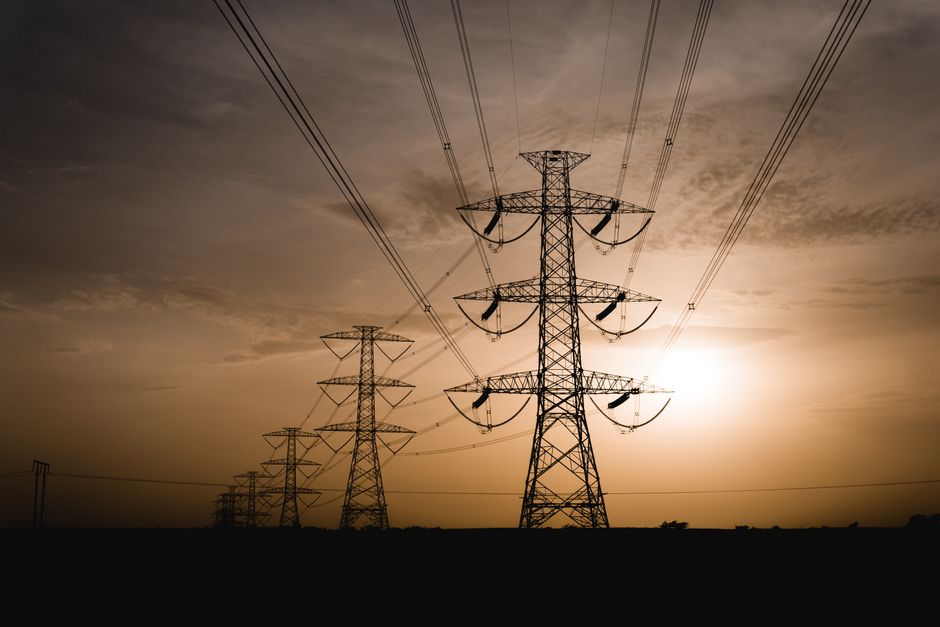
South Africans are experiencing far fewer power cuts, but many households and businesses are seeing higher electricity bills after recent regulator-approved tariff increases.
Fewer blackouts, higher prices
For consumers the contrast is stark: improved supply and a sharp reduction in load shedding have not translated into lower bills. In March, Eskom announced South Africa had reached 300 days without load shedding, and reported that average unplanned outages had fallen by 53% compared with the same period a year earlier.
Regulator approves tariff hikes
The National Energy Regulator of South Africa (NERSA) approved electricity tariff increases that took effect at different times for different customers. Eskom direct customers saw an average increase of 8.76% from 1 April 2026, while municipal customers face a 9.01% average increase from 1 July 2026. NERSA said the differing increases were due to the separate implementation periods for Eskom and municipal distributors.
Why prices rose despite better supply
NERSA described the approved tariffs as part of Eskom’s regulated revenue recovery framework, which determines how the utility recovers approved costs from different customer categories. In February the regulator revised its tariff determination and approved higher increases than previously planned after correcting calculation errors identified in an earlier determination.
Eskom performance and finances
Eskom reported improvements in its Energy Availability Factor (EAF), saying the EAF had risen to 65.85% at one point and that the EAF for the current financial year had improved to 62.59%, up from 57.43% in the same period the year before. The utility also said diesel spending used to support emergency generation had dropped.
Those improvements contributed to a financial turnaround. Reuters reported that Eskom recorded a profit after tax of R16 billion for the year ended March 2025, compared with a loss of R55 billion a year earlier, aided by government debt relief, higher tariffs and fewer power cuts.
Longer-term needs and reforms
Energy experts cited in the reporting have argued that South Africa’s electricity system still requires substantial investment in maintenance, transmission infrastructure and generation reliability after years of operational decline. The government is pursuing broader sector reforms intended to strengthen the grid and attract investment into the energy market.
What this means for consumers
In short, improved reliability and fewer load-shedding days have coincided with regulator-approved tariff increases to help Eskom recover costs. For many households and businesses, the immediate effect is higher electricity bills even as power cuts become less frequent.
“reflecting what it described as sustained progress in its turnaround strategy”
Description used by Eskom in reporting on its Energy Availability Factor
Follow Joburg ETC on Facebook, Twitter, TikTok and Instagram
For more News in Johannesburg, visit joburgetc.com
Source: iol.co.za