Business
14 hours in the dark: Inside Johannesburg’s century‑old grid crisis
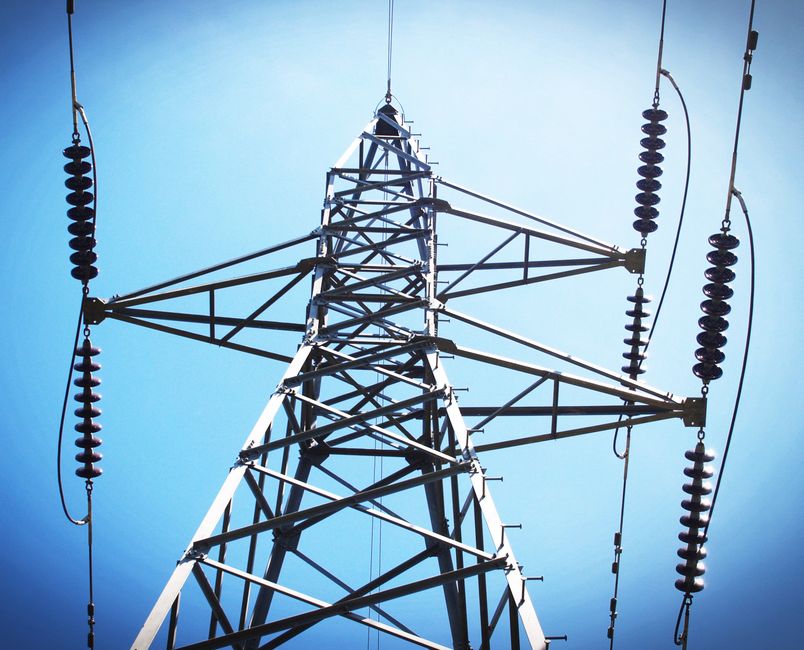
Johannesburg residents are now routinely spending around 14 hours without electricity, as a century‑old network strained by ageing equipment, theft and vandalism struggles to keep the lights on. City Power recorded more than a million customer interruptions in a single quarter and says it faces an infrastructure backlog of R44 billion.
Scale and causes of the outages
City Power’s report attributes roughly 60% of outages to ageing equipment, some of it nearly a century old. A further 20% are caused by theft and vandalism, 15% by external factors such as Eskom faults and third‑party damage, and 5% by network overload, particularly in informal settlements.
Improvement but long interruptions remain common
There were signs of improvement in recent quarters. The number of outages fell by about a fifth between the April‑to‑June and July‑to‑September quarters, and the average time a customer spent without power dropped from just over 24 hours to just over 14 hours. Restoration times also improved, with nearly 97% of unplanned outages fixed within 24 hours. Planned maintenance increased from 20% in previous years to 66% in this quarter.
Household backup systems often fall short
Many backup systems households bought during the load‑shedding years cannot reliably cover a 14‑hour interruption. A typical 12V 100Ah lithium battery stores around 1.2kWh of energy, with about 1kWh usable after losses. That gives roughly 10 hours at a 100W load, about 5 hours at 200W, and just over 3 hours at 300W. A household running a fibre router, laptop, television and several lights can easily draw 200W–250W, which means a single 100Ah battery may last only four to five hours.
Two 100Ah batteries roughly double available energy, but a household drawing 200W continuously may still only get about 10 hours of runtime. A 14‑hour outage can therefore outlast many inverter systems.
Recharge cycles and the risk of never‑ending outages
When power returns, depleted batteries must recharge. A pair of 100Ah batteries could require anywhere from four to 12 hours to recharge fully, depending on the inverter charger and battery condition. If another outage occurs before full recharge, households start the next interruption with partially charged batteries and reduced runtime, and face higher electricity costs. In areas repeatedly hit by cable theft or infrastructure failures, this can create a cycle where backup systems never fully recover.
Solar and generators as alternatives
A modest 2kW solar installation in Johannesburg can typically generate between 8kWh and 10kWh on a good winter day, allowing households to recharge batteries while powering essential devices during daylight. The main limitation is weather: several cloudy days can reduce output and force reliance on battery reserves.
Generators remain the most effective option for very long outages. A typical 5kVA petrol generator consumes about 1.5 litres of fuel an hour. At roughly R32 a litre, that equates to about R48 an hour, and fuel costs for a 14‑hour outage could approach R670. Three similar outages in a month could push fuel costs beyond R2,000, before maintenance and servicing are considered. A 9kVA solution can cost R13,000 and deliver up to 7,500W under full load.
Household impacts beyond lights and routers
“The challenge facing Johannesburg residents is no longer the two‑hour outage. It is the outage that lasts all day.”
Extended outages put food and water supplies at risk. Modern refrigerators can remain cold for several hours if doors stay closed, while freezers generally last longer; but outages beyond half a day can spoil perishables. Each extended outage can cost homes almost R2,000 in spoiled food, calculated using Pietermaritzburg’s Economic Justice & Dignity average food basket value of around R5,500.
Water supply is also affected where pumps rely on electricity. A family of four may use between 200 and 400 litres of water a day. Storage capacity matters: a 260‑litre tank may provide less than a day’s supply, a 750‑litre tank several days, and a 1,000‑litre tank can sustain many households through a prolonged outage.
The new reality for Joburg households
The end of load shedding has not ended electricity insecurity in Johannesburg. Instead, prolonged, unpredictable outages averaging around 14 hours have emerged as a new challenge one that strains household backup systems, raises living costs and exposes weaknesses in a network carrying equipment some of which is nearly a century old.
Follow Joburg ETC on Facebook, Twitter, TikTok and Instagram
For more News in Johannesburg, visit joburgetc.com
Source: iol.co.za