Business
Extortion and intimidation have stalled R63bn of infrastructure projects, government says
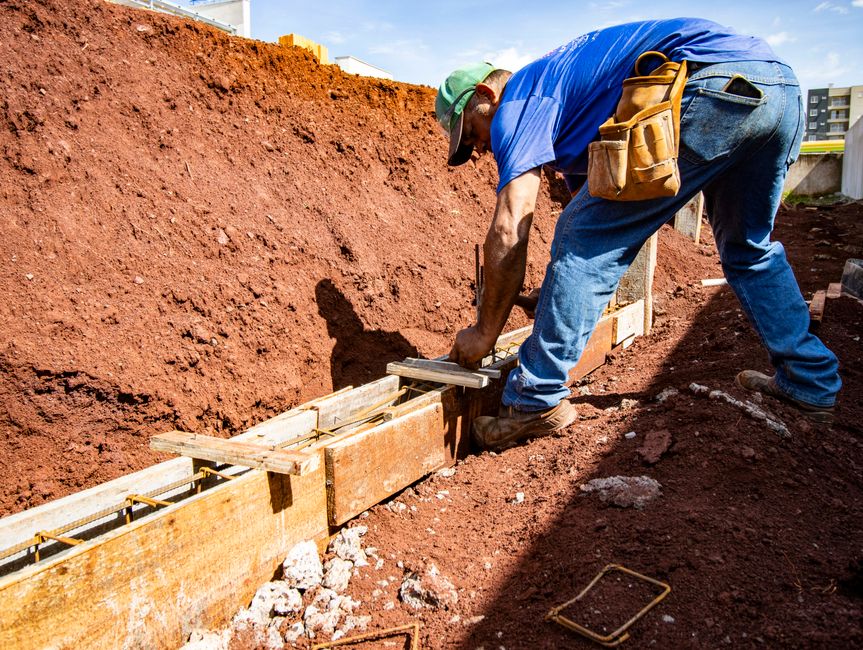
More than 180 infrastructure projects valued at about R63 billion were disrupted by extortion and intimidation between 2019 and 2024, the Department of Public Works and Infrastructure (DPWI) says, as government outlines measures to curb construction-related criminality.
Scale of the disruption
According to government figures, disruptions caused by criminal syndicates affected projects including roads, bridges, schools, clinics, housing developments and water infrastructure. The DPWI said these incidents involved intimidation, extortion and violence and have stalled work on numerous sites.
Official response and progress
DPWI spokesperson Lennox Mabaso said the department has intensified its response since the signing of the Durban Declaration at the National Construction Summit in November 2024.
“The department has made significant progress in the fight against construction-related extortion and criminality, but we remain clear that this is an ongoing battle against organised criminal networks,”
Mabaso said.
Figures released by DPWI Minister Dean Macpherson show that more than 770 cases of construction-related extortion and intimidation have been reported nationally since the declaration was signed. Those reports have resulted in 241 arrests and 176 convictions, the department said.
Improvements in hotspots and evolving tactics
Mabaso highlighted reductions in site disruptions in KwaZulu-Natal, which the department has regarded as an epicentre of construction-mafia activity:
“Site disruptions have declined from more than 60 incidents a month last year to fewer than 10 incidents a month this year,”
he said.
At the same time, government acknowledges that criminal networks are changing tactics. Private investigator Mike Bolhuis warned that extortion networks had become embedded within parts of the construction value chain and that some contractors were allegedly pricing extortion-related losses into project costs.
New measures to limit exploitation
The DPWI said it is adapting its strategy and developing measures intended to reduce opportunities for criminal groups to exploit local grievances. Measures listed by the department include:
- a social facilitation framework to improve stakeholder engagement before projects commence;
- procurement reforms, real-time tender monitoring and procurement war rooms;
- enhanced due diligence on contractors and subcontractors, digitised project tracking and a national blacklisting database;
- existing controls such as supplier verification processes, conflict-of-interest declarations, contractor grading requirements and referrals to law enforcement where criminal conduct is suspected.
Political and community concerns
ActionSA warned that infrastructure development has become a battleground where criminal syndicates decide who builds and whether projects proceed. ActionSA Mpumalanga MPL Thoko Mashiane said communities were left without basic services and young people lost employment opportunities.
DPWI said the department will continue to work on prevention, enforcement and procurement reforms as part of the South African construction action plan.
Follow Joburg ETC on Facebook, Twitter, TikTok and Instagram
For more News in Johannesburg, visit joburgetc.com
Source: citizen.co.za