Business
Libya, Angola and Algeria top list of cheapest petrol in Africa in July 2026
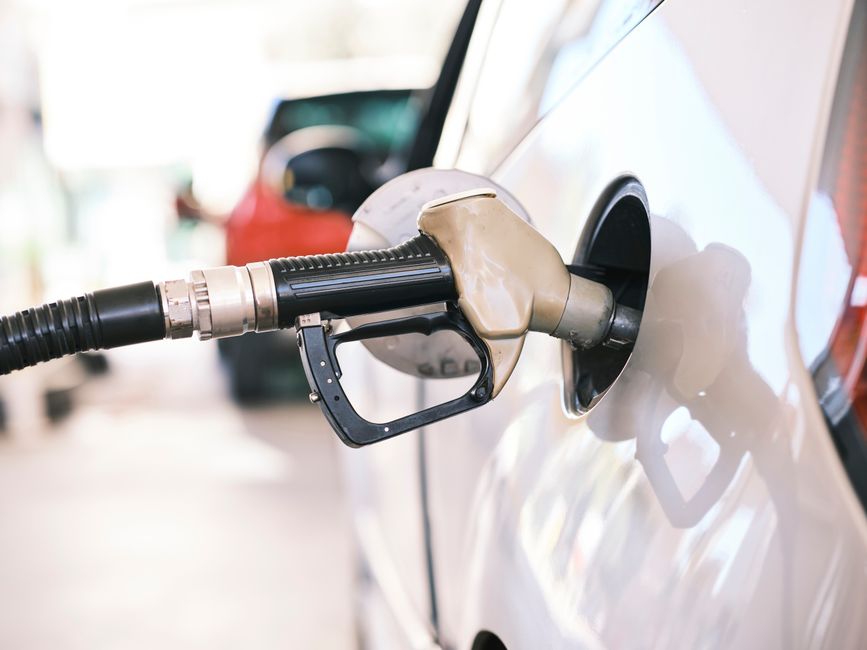
New data for July 2026 shows wide variation in pump prices across Africa, with oil-rich states such as Libya, Angola and Algeria among the continent’s cheapest fuel markets, while countries like South Africa and Zimbabwe face much higher retail prices.
Key findings from the July 2026 ranking
Using data compiled by GlobalPetrolPrices and an exchange rate of R16.45 to US$1, the 10 African countries with the lowest petrol prices in July 2026 are:
- 1. Libya $0.023 per litre (R0.38)
- 2. Angola $0.327 per litre (R5.38)
- 3. Algeria $0.353 per litre (R5.81)
- 4. Egypt $0.492 per litre (R8.09)
- 5. Sudan $0.700 per litre (R11.52)
- 6. Nigeria $0.786 per litre (R12.93)
- 7. Tunisia $0.856 per litre (R14.08)
- 8. Niger $0.872 per litre (R14.34)
- 9. Gabon $1.047 per litre (R17.22)
- 10. Ethiopia $1.052 per litre (R17.31)
Why prices differ across the continent
The ranking highlights the role of oil reserves, government intervention and subsidy programmes in keeping consumer prices low in several North African and oil-producing states. The dataset notes that some countries shield consumers from international oil price swings through controlled pricing mechanisms.
By contrast, the data links higher pump prices to import dependence, taxation and limited refining capacity, factors that increase exposure to global market volatility and currency fluctuations.
Where South Africa and Zimbabwe sit
The July 2026 data shows motorists in South Africa paying approximately $1.600 (R26.32) per litre, a rate the dataset describes as more than double the price in Nigeria. Zimbabwe is listed among the continent’s most expensive markets at around $1.781 (R29.30) per litre.
Global context
The data says Libya remained the cheapest petrol market globally in July 2026, followed by countries such as Iran and Venezuela, where heavy subsidies and state control of energy markets keep pump prices well below the global average.
Takeaway
The July 2026 snapshot from GlobalPetrolPrices underscores a split between subsidised, oil-rich states with low retail petrol prices and import-dependent or heavily taxed markets where motorists pay substantially more.
Follow Joburg ETC on Facebook, Twitter, TikTok and Instagram
For more News in Johannesburg, visit joburgetc.com
Source: thesouthafrican.com