Business
KZN premier: 57.8% of province’s spaza shops owned by foreign nationals
KZN premier Thamsanqa Ntuli says research shows 57.8% of spaza shops in KwaZulu‑Natal are owned by foreign nationals, with major concentration in eThekwini.
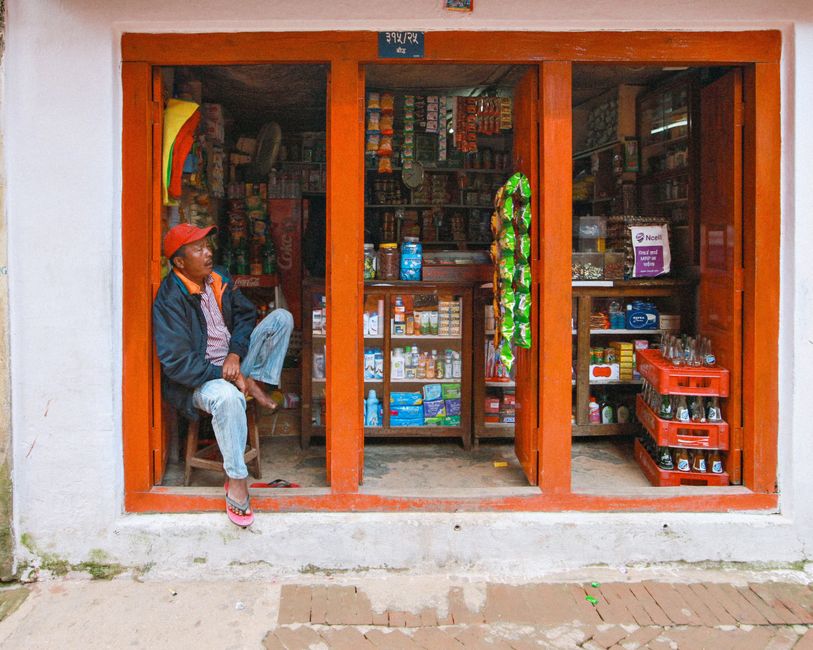
Research presented at a KwaZulu‑Natal roundtable shows that 57.8% of spaza shops in the province are owned by foreign nationals, while South Africans own 42.2%. The finding was disclosed by KwaZulu‑Natal Premier Thamsanqa Ntuli during a meeting in Durban convened with the provincial Department of Economic Development, Tourism and Environmental Affairs (EDTEA).
Where foreign ownership is concentrated
Ntuli outlined district-level differences in ownership, highlighting a high concentration of foreign-owned spaza shops along the coast and in urban centres.
He cited district figures as follows:
- eThekwini: 84.4%
- Amajuba: 77.9%
- King Cetshwayo: 64.3%
- Umkhanyakude: 59.2%
- Ugu: 53.7%
- iLembe: 52.6%
He said “eThekwini carries the greatest weight of all. Nearly seven out of every 10 foreign-owned shops in this province sit within its boundaries.”
Districts with higher South African ownership
Ntuli noted that not all districts follow the provincial pattern and listed areas where South African ownership predominates:
- Harry Gwala: South African ownership reaches 86%
- Umzinyathi: 78.7%
- uMgungundlovu: 69.1%
- uThukela: 68.6%
- Zululand: 63.6%
Economic significance and next steps
Ntuli described the spaza sector as carrying significant economic weight in KwaZulu‑Natal and provided a provincial valuation for the sector’s annual value.
He said the sector’s annual value in KwaZulu‑Natal is R178 billion. He also said the sector creates jobs, sustains local suppliers and can be an entry point into entrepreneurship.
Speaking on lessons from foreign-owned shops, Ntuli said they demonstrate “discipline, strategy, and lessons they cannot ignore,” including collective purchasing power, margins, hours and mutual support.
Research and policy intent
Ntuli said the roundtable was based on evidence from research conducted by EDTEA and described the statistics as a warning, noting that several foreign-owned spaza shops have already been affected and some have closed.
He said further research is now under way and will examine the sector before and after June 30, 2026, involving districts, local municipalities and people who experience the sector directly. He added the gathering continued work that began in 2024 and followed a promise he made two weeks earlier.
On understanding before acting
Ntuli emphasised the importance of studying the sector closely before making legislative or policy changes, saying:
“Because before we legislate, we must first understand. Before we act, we must first learn.”
Follow Joburg ETC on Facebook, Twitter, TikTok and Instagram
For more News in Johannesburg, visit joburgetc.com
Source: iol.co.za