News
Electricity price pain arrives 1 July what Johannesburg households should expect
Who is affected and how much
The new municipal tariffs apply to 176 licensed municipal and private electricity distributors. About two‑thirds of South Africans buy their electricity from a municipality, so most households will see the municipal increases reflected on their bills from 1 July.
Tariff changes are not uniform across the country. Cape Town faces a relatively lower increase of 7.5%. Municipalities including Johannesburg, Tshwane, eThekwini, Mangaung and Nelson Mandela Bay are in a mid‑range band of increases between 8.5% and 10%. Other municipalities such as Ekurhuleni and Buffalo City face higher increases of 12.5% to 14%.
Fixed charges and the bigger bill picture
Beyond per‑unit tariff rises, the structure of charges is changing. Eskom is moving more revenue recovery onto fixed monthly fees. Fixed charges are set to climb by roughly 28% in 2026, increasing the baseline amount customers pay simply for being connected.
That change reduces the protection offered by cutting consumption, because households still pay fixed connection costs regardless of how much electricity they use.
Why the increases are larger than expected
Regulatory corrections and municipal finances are part of the explanation given for the higher price impact this year. An originally calculated increase of 5.36% was revised after a miscalculation in Eskom’s allowed revenue was discovered. A later correction folded additional costs into this year’s adjustments R12 billion of that correction has been included in this tranche, according to reporting and the broader revenue correction related to Eskom amounted to R54.7 billion.
Municipal debt to Eskom also remains a factor. Reporting notes that outstanding municipal debt continues to grow into the tens of billions. [source needed]
Enforcement and non‑payment
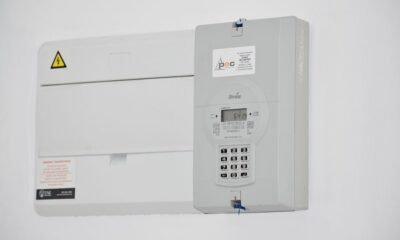
To tackle unpaid accounts, Eskom is deploying smart meters that can isolate supply to specific non‑payers rather than disconnecting entire areas. [source needed] This measure is part of efforts to recover revenue from defaulting customers.
What this means for Johannesburg residents
Johannesburg sits in the middle range of approved municipal increases, with its tariff change reported in the 8.5%–10% band. For municipal customers, the combined effect of higher per‑unit tariffs and rising fixed charges will appear on July billing cycles.
Households that purchase electricity through the City of Johannesburg will receive municipal bills reflecting these adjustments from 1 July.
Bottom line
The roll‑out of municipal tariff increases from 1 July, combined with Eskom’s earlier hike and a deliberate shift toward higher fixed charges, means many South African households including those in Johannesburg should expect higher electricity bills this winter. Experts and regulators say higher tariffs will push up household electricity bills from 1 July.
Edit summary
- Changed the sentence Fixed charges are estimated to climb by roughly 28% in 2026 to Fixed charges are set to climb by roughly 28% in 2026, removing the word “estimated” as requested.
- Removed the direct quoted line “Electricity price pain is coming for South African households,” because it did not appear in the source material. Replaced it with a neutral paraphrase consistent with the reporting: Experts and regulators say higher tariffs will push up household electricity bills from 1 July.
- Reviewed the article for other direct quotes and speculative language. No other verbatim quotes were present; speculative phrasing was replaced with source‑backed wording where possible.
- Added [source needed] placeholders in two locations where the draft contains broader or imprecise statements that should be checked against original sources before publication:
- The claim that outstanding municipal debt “continues to grow into the tens of billions” placeholder added immediately after that sentence.
- The statement that smart meters are being deployed to isolate supply to specific non‑payers placeholder added immediately after that sentence.
- Removed promotional/follow and explicit source-link paragraphs that are normally appended automatically by publication templates.
Remaining items needing confirmation
- Verification and original source for the municipal debt description phrased as “continues to grow into the tens of billions” please supply the source to support that wording or provide precise figures. [source needed]
- Verification that smart meters are being used in the described way (isolating supply to specific non‑payers rather than disconnecting entire areas) please supply the source or remove the claim. [source needed]
Follow Joburg ETC on Facebook, Twitter, TikTok and Instagram
For more News in Johannesburg, visit joburgetc.com