Health
Children face waits of up to 30 months for surgery at Charlotte Maxeke Hospital
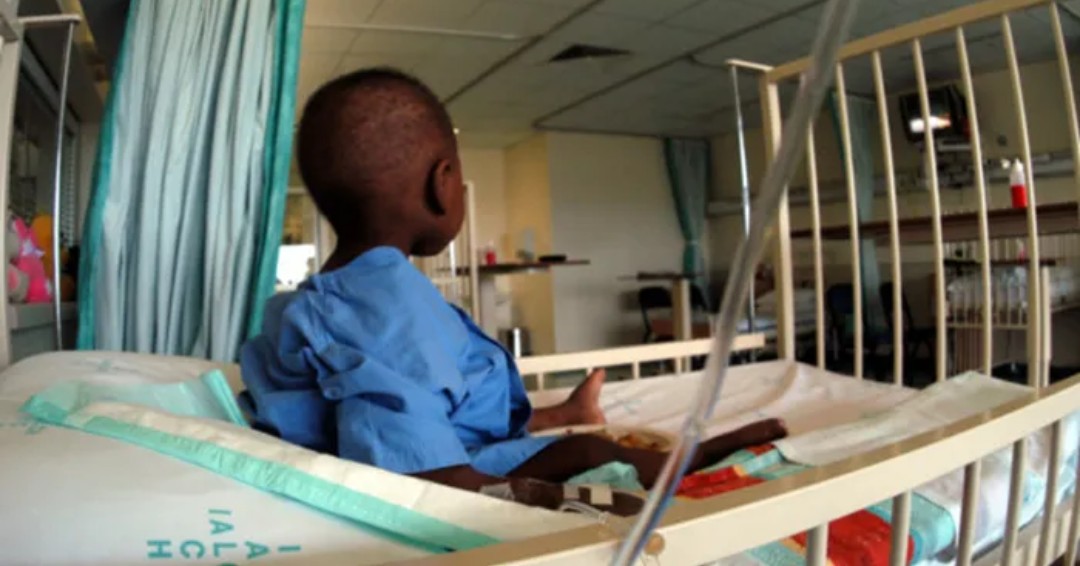
More than 200 children are waiting for paediatric surgery at Charlotte Maxeke Johannesburg Academic Hospital (CMJAH), with some young patients facing delays of up to 30 months, the Gauteng Health Department told the provincial legislature.
Who is waiting and how long
The department’s written reply to questions in the Gauteng Provincial Legislature said 217 children are currently on CMJAH’s paediatric surgery waiting list across various categories. The response gives average waiting times for common procedures:
- 100 children are waiting for orchidopexy (undescended testis) average wait 14.8 months.
- 35 children are awaiting inguinal hernia or hydrocele surgery average wait 10.2 months.
- 28 children require umbilical, ventral or epigastric hernia procedures average wait 10.6 months.
- Children needing hypospadias, penile reconstruction or penoplasty face average waits of 13.4 months.
- Those awaiting circumcision or treatment for phimosis face average waits of 11.3 months.
- The shortest average waiting period listed is 8.1 months for other paediatric surgical procedures.
The reply also notes an individual case as the longest wait over the past three years: a child born on 25 February 2023 was booked for surgery on 27 November 2023 for a left inguinal hernia repair but “has not been operated on to date.”
Why elective operations are delayed
The department described the reasons for long waits as “multifactorial”: limited elective paediatric theatre capacity, an increasing emergency and neonatal surgical load, anaesthetic constraints, availability of subspecialist expertise and cancellation of elective lists when urgent cases require theatre access.
The response records an increase in emergency surgeries at CMJAH from 521 in 2023 to 758 in 2025, and states: “Emergencies take theatre time, cancel elective lists, and use ICU beds. As emergencies go up electives get bumped.”
The department also cited shortages of theatre staff, anaesthetists and post-operative beds as factors reducing the number of elective procedures that can be performed, and warned that prolonged waits can lead to children initially booked for elective surgery deteriorating and requiring emergency treatment.
Health and family impacts of delays
The legislature reply warned that delayed surgery can cause “physical deterioration”, developmental delays, psychological distress and poorer surgical outcomes. It said conditions such as hernias can worsen while children wait for surgery, increasing the risk of emergency admissions and reducing treatment success rates.
The response also highlighted effects on families, including parental stress, financial pressure, missed school and disruption to family life.
Surgery volumes and proposed solutions
Despite the growing waiting list, CMJAH’s annual number of paediatric surgeries remained stable in recent years: 2,078 surgeries in 2022, 2,032 in 2023, 2,120 in 2024 and 2,077 in 2025. Between January and the end of May 2026, 740 procedures had been performed.
One key intervention the MEC said is required is a dedicated emergency paediatric surgical theatre with dedicated anaesthetic and nursing support. The response stated: “A protected emergency paediatric theatre list would improve access for urgent cases, reduce cancellations of elective paediatric surgery, protect elective operating time and help prevent further growth of the waiting list.” It added that “without additional protected paediatric surgical theatre time, adequate anaesthetic cover, and reliable access to staffed operating lists, the waiting list is unlikely to decrease meaningfully despite the best efforts of the paediatric surgical team.”
Political response
DA Gauteng health spokesperson Madeleine Hicklin said the legislature reply revealed “a widening crisis of delayed care” at Charlotte Maxeke Hospital, where patients are left “in prolonged pain and uncertainty while essential treatment is delayed” and said the party would table follow-up questions to Gauteng Health MEC Faith Mazibuko to ask why the recommended dedicated theatre and staffing have not been implemented.
Hicklin warned that untreated hernias can become life-threatening if complications develop and said: “If a hernia becomes incarcerated, part of the intestine can become trapped, causing severe pain and obstruction. If it becomes strangulated, blood flow is cut off and the tissue dies. Without urgent surgery, this can lead to perforation, sepsis and death.”
Follow Joburg ETC on Facebook, Twitter, TikTok and Instagram
For more News in Johannesburg, visit joburgetc.com
Source: citizen.co.za