Lifestyle
Black pepper vs white pepper: when to use each in your cooking
Black and white pepper come from the same plant but are processed differently. Learn their flavour differences, cooking uses, substitution tips and why fresh grinding helps.
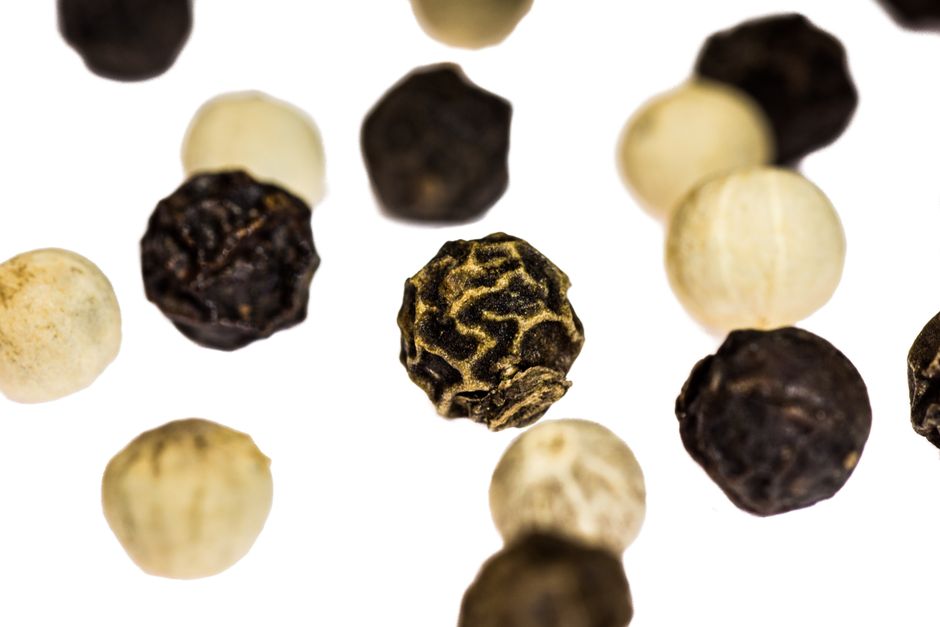
Black pepper and white pepper come from the same plant, but differences in harvest timing and processing give each a distinct flavour and use in the kitchen. Understanding those differences helps you choose which pepper to reach for when cooking everything from creamy sauces to grilled meat.
How the two peppers are made
Both black and white pepper are produced from Piper nigrum. The divergence starts at harvest: black pepper is made from berries picked while still green and dried with their outer skin intact, producing the familiar wrinkled, dark peppercorns and a bold, aromatic flavour. White pepper is made from fully ripened berries whose outer skin is soaked and removed before the inner seed is dried, resulting in a different aroma and taste.
Flavour and aroma differences
Black pepper has a fresh, woody aroma with citrusy and slightly fruity notes. It is the everyday choice for many cooks. White pepper, by contrast, is described as earthier, more fermented and sometimes musky. That character comes from the soaking step used to strip the outer skin.
When to use black pepper
Black pepper is presented as an all-rounder. It stands up to roasted meats, grilled vegetables, pasta, eggs, salads and soups. It is also highlighted as the obvious choice for spice rubs and for seasoning steaks before cooking. Freshly cracked black pepper is noted as particularly effective as a finishing seasoning because grinding releases its fragrant oils.
When white pepper is preferable
White pepper is recommended where cooks want the warmth of pepper without visible black specks. Typical uses listed include creamy soups, mashed potatoes, béchamel sauce, cauliflower cheese and other pale-coloured dishes. It is also commonly used in Chinese, Vietnamese and some French recipes where its earthy character fits traditional flavour profiles.
Substituting one for the other
Substitution is possible but will change the dish’s character. Using black pepper instead of white in a hearty stew or pasta sauce is said to be unlikely to ruin the dish. The reverse swap is described as more noticeable: white pepper won’t deliver the same bright aroma that black pepper brings to grilled meat or fresh tomatoes. When colour is not important, many home cooks use whichever pepper they have on hand; for recipes where pepper is a key flavour, the article recommends using the type called for.
Freshly ground vs pre-ground
The article notes that whole peppercorns keep flavour and aroma far longer than pre-ground pepper. Once ground, the natural oils that provide fragrance begin to dissipate, so freshly ground pepper can noticeably improve everyday dishes, especially when black pepper is used as a finishing seasoning.
Do you need both?
For many households, black pepper is enough for everyday cooking. However, if you regularly make creamy sauces, potato dishes or enjoy Asian cooking, white pepper is said to earn its place in the spice cupboard because it can quietly change the final result. Rather than treating them as strict substitutes, the article suggests thinking of black and white pepper as two different seasonings that each bring something different to a plate.
Follow Joburg ETC on Facebook, Twitter, TikTok and Instagram
For more News in Johannesburg, visit joburgetc.com
Source: iol.co.za