News
Analysis: Joburg commercial property valued nearly R200bn below Cape Town, Gmaven data shows
According to The South African, Gmaven finds Johannesburg commercial property is ~R196bn below comparable Cape Town levels, driven largely by office discounts.
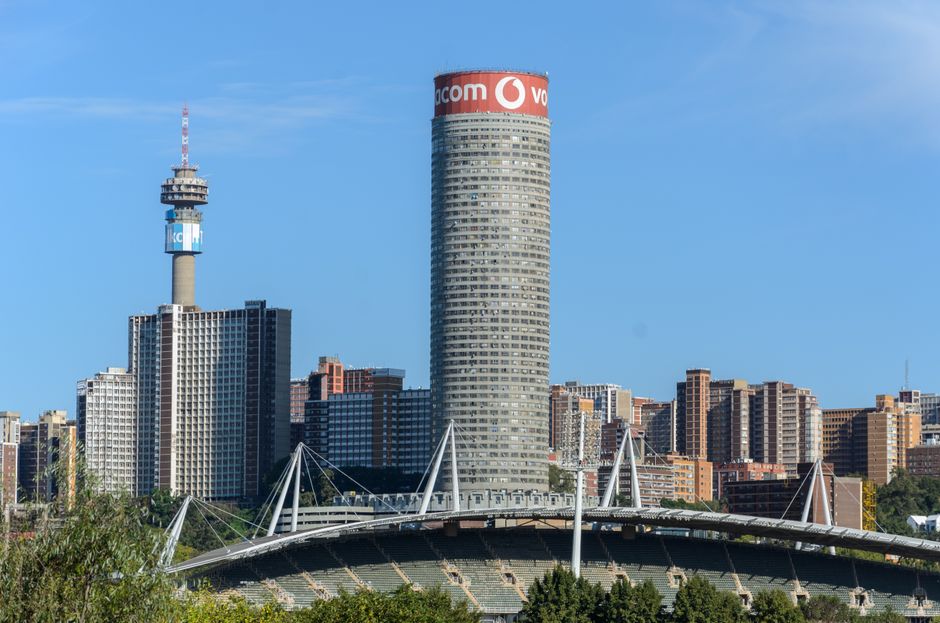
Commercial property in the City of Johannesburg is valued an estimated R196 billion below comparable Cape Town levels, according to The South African. The gap is driven mainly by weaker office pricing, a new analysis using Gmaven’s commercial property database finds.
What the analysis examined
According to The South African, the study draws on Gmaven’s database and examined 25,700 properties alongside 1,706 high-value commercial property transactions recorded since 2020. Properties were matched by category, grade, size, location and, where relevant, retail submarket to compare like-for-like assets across the two municipalities.
Size, value and the surprising parity
The South African reports Johannesburg contains 44.9 million square metres of rentable commercial space, which is 54% more than Cape Town’s 29.2 million square metres. Despite the larger stock in Johannesburg, Gmaven estimates the two markets are worth roughly the same: R376 billion for Johannesburg and R365 billion for Cape Town, The South African says.
Office market drives most of the gap
The largest divergence is in offices. According to The South African, Johannesburg office space has traded at a weighted average of R10,121 per square metre since 2020, compared with R20,524 per square metre in Cape Town.
The South African cites Capitec’s recent purchase of an A‑grade Sandton office building: the bank paid R245 million for 21,946 square metres, an amount the article says is equivalent to R11,164 per square metre, including parking. Gmaven estimates that constructing a comparable building today would cost at least R28,000 per square metre, before land.
How much of the gap is offices?
The South African reports that office property accounts for over 40% of the estimated R196 billion gap between Johannesburg and Cape Town values. Retail and other commercial assets contribute most of the remainder, while industrial property has retained more of its value in Johannesburg, the analysis finds.
Local conditions and municipal performance
The South African quotes Gmaven’s CEO on the role of local factors. The analysis notes Johannesburg and Cape Town share national economic conditions but show divergent commercial valuations, which Gmaven interprets as evidence that local conditions, including municipal performance, are influencing asset values.
“Johannesburg has been regarded as a value market for years, but the size of the gap has never been clear,” says William Harris, CEO of Gmaven.
“The R196 billion figure should not be read as a guaranteed windfall or an immediate forecast,” Harris added, according to The South African. “It represents the scale of the potential rerating if better municipal performance helps restore business confidence, occupier demand, investment, and development activity.”
Replacement cost versus market value
The South African says Gmaven’s analysis estimates that replacing Johannesburg’s existing commercial property stock would cost roughly R857 billion, compared with its estimated market value of about R376 billion. Within that total, office and retail assets are reported as trading particularly far below replacement cost.
Political timing: elections as a test
The South African reports Gmaven suggests South Africa’s upcoming local government elections could serve as a test of the thesis that improved municipal performance would help narrow the value gap, by influencing vacancy levels, investment decisions and prices buyers are willing to pay for Johannesburg assets.
Follow Joburg ETC on Facebook, Twitter, TikTok and Instagram
For more News in Johannesburg, visit joburgetc.com
Source: thesouthafrican.com