News
Air and water pollution harming Joburg’s poorest communities
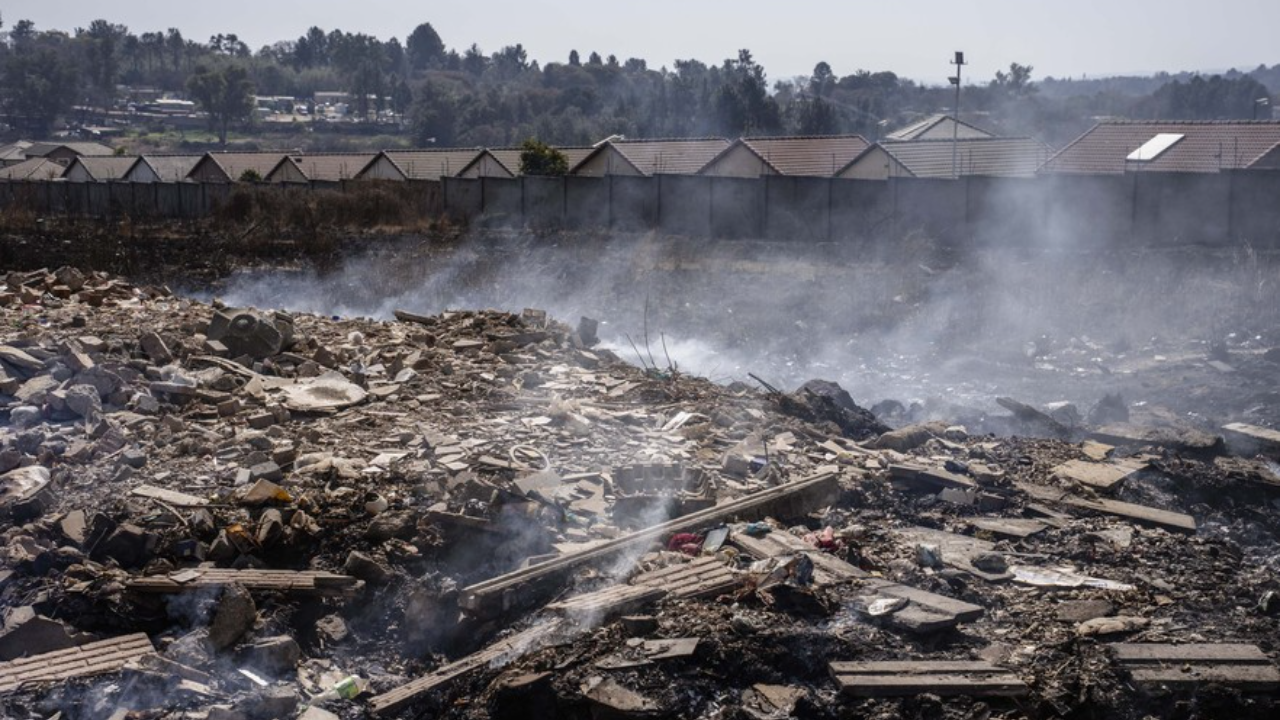
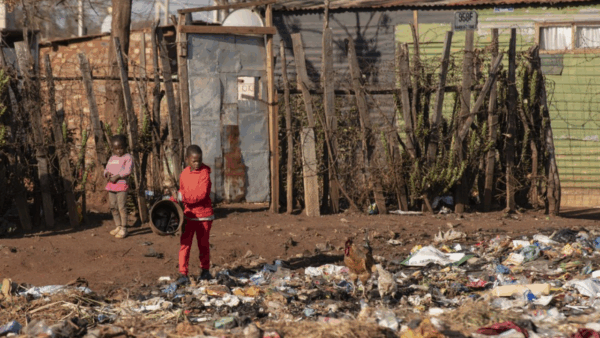
Seeing children playing on top of heaps of smouldering trash has become a common sight in Kya Sand informal settlement in Randburg. The thick, black smoke from illegally dumped waste burns day and night. It is a toxic mix of burning rubber, plastic, roof insulation and general trash.
“This is no way to live”, says resident Richard Nyiza. “My two-year-old daughter is always sick”.
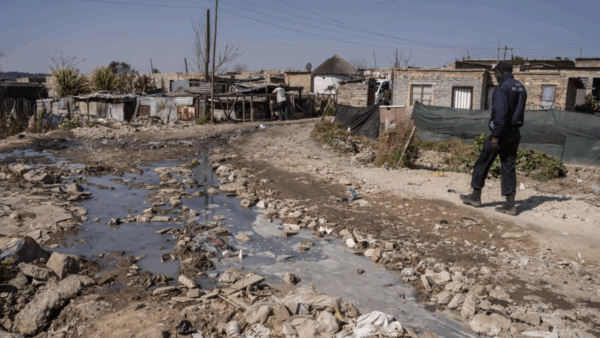
He lives on the edge of the settlement, built on the banks of the heavily polluted North Riding stream.
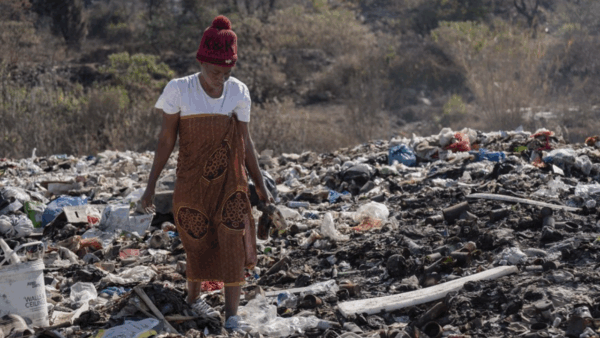
Kya Sand is not unique in its pollution. The Gauteng City-Region Observatory (GCRO) surveyed 4,436 Johannesburg residents. One in five reported experiencing harm from air pollution.
City spokesperson Nthatisi Modingoane told GroundUp that air pollution remains a “significant environmental challenge” and was largely driven by human activities such as waste and biomass burning, industrial operations, vehicle emissions and mining.
Modingoane said City monitoring found concentrations of particulate matter “periodically exceeding national air quality standards in certain areas”.
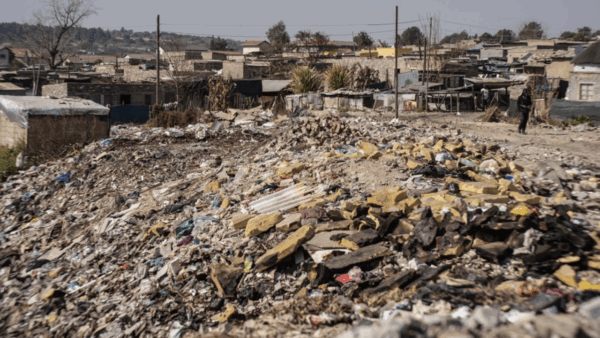
Up to 85% of households near mining and industrial activity report experiencing harm or damage, according to the GCRO survey. The researchers noted that these areas are predominantly ‘previously disadvantaged communities characterised by lower monthly household income and spatial inequality”.
Data from the South African Consortium of Air Quality Monitoring shows that 376 out of the 581 hours monitored (65%) saw air pollution exceeding acceptable limits in Kya Sand in July 2026.
The Kya Sand Burning Wasteland Community Forum NPC, which represents residents and businesses in Kya Sand and surrounding areas, is working to stop illegal waste dumping and burning.
Supported by a pro bono legal team, the organisation has implemented private security measures, arguing that authorities have failed to effectively address the problem.
Donald Ragzuma, a private security guard stationed on the main road, has the job of stopping trucks and bakkies that come from other areas to dump trash.
“People often come after we leave at night and burn the trash. It is most often businesses that send people to dump. The pile then smokes for days,” said Ragzuma.
 6
6
Modingoane said that while most licensed industries comply with regulations and monitoring, localised pollution is still caused by smaller industrial operations, informal recycling, panel-beating workshops and illegal mining.
Johannesburg is updating its air quality management plan, including the implementation of measurable emission reduction targets.
While working with provincial and national authorities, it will continue to monitor air quality, enforce environmental regulations and run education campaigns, said Modingaone.
Water and sanitation
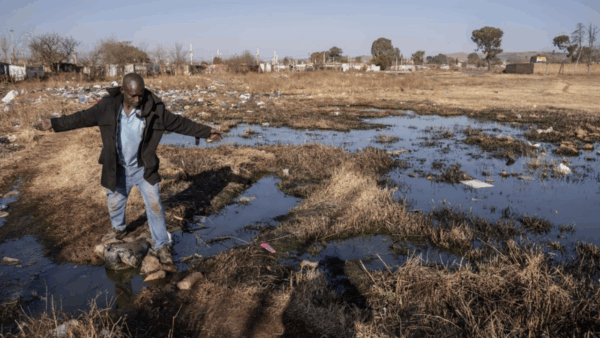
While one in five Johannesburg residents reported harm from air pollution, one in ten households experienced harm from water pollution, according to the GCRO research.
Standing on the banks of the Jukskei in Bruma, the pungent, murky river is awash with raw sewerage, trash, industrial runoff and shows no signs of life.
The Jukskei is now one of the most polluted and degraded urban waterways in South Africa, suffering severe contamination with high E. coli levels and heavy trash accumulation.
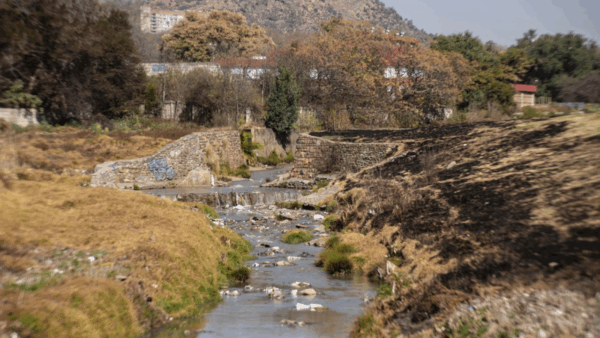
Other waterways in the city, like the Klip River, are suffering a similar fate, driven by failing wastewater treatment works, ageing sewage infrastructure, rapid urbanisation, illegal dumping, industrial and urban runoff and pollution from mining.
Johannesburg’s Green Drop audit score has plummeted from 91% in 2011 to a ‘poor’ 49% in 2025. Half of the city’s six wastewater treatment works are now in a ‘critical state’, discharging raw or poorly treated effluent directly into the region’s fresh water sources.
The South African Human Rights Commission’s (SAHRC) Gauteng water crisis investigative inquiry heard how this contamination has had a devastating effect on ecosystems and directly impacts people who use the water for consumption, recreation, and agricultural purposes.
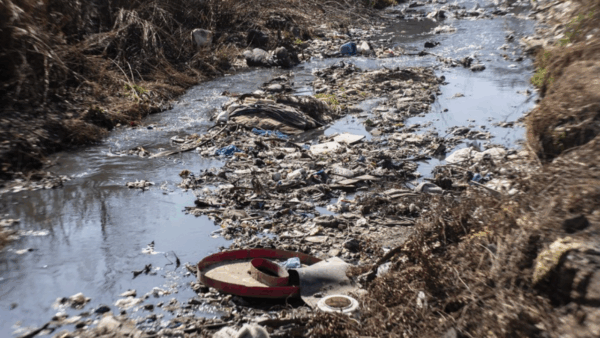
According to the GCRO, nearly a quarter of Johannesburg residents experience harm from water and sewage pipe bursts, ‘reflecting under-investment and a lack of maintenance,’
According to Johannesburg Water’s 2024/25 annual report, there were 1,659 recorded sewage plant spillages.
With about 145 leaks reported per day and 328 water pipe bursts per 100 km of water pipes in 2024/25, Johannesburg Water has responded with a R64-billion turnaround strategy, which seeks to replace 85km of water pipes annually and upgrade sewer mains.
The utility has also said it is filling technical posts for faster response times, while poorly performing WWTWs will see refurbishments and capacity expansions to improve effluent compliance and prevent environmental pollution.
Follow Joburg ETC on Facebook, Twitter, TikTok and Instagram
For more News in Johannesburg, visit joburgetc.com
Source: GroundUp