News
Inside the Waterberg operation that put the ‘ghost dogs’ in the spotlight
A July 22 collaring attempt in the Waterberg showcased conservation work for African wild dogs the elusive ‘ghost dogs’ and highlighted threats and tracking efforts.
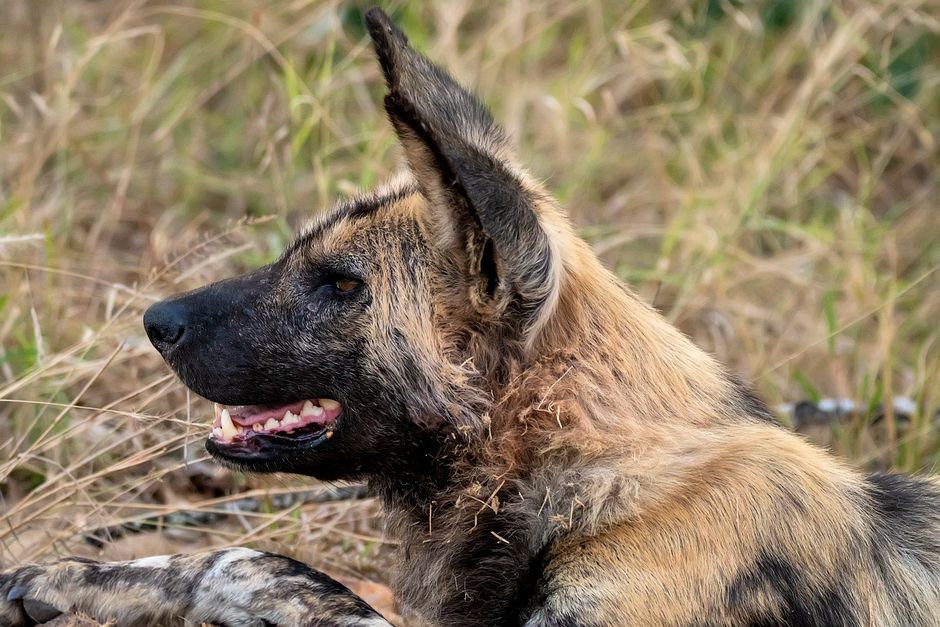
On Tuesday, July 22, a conservation operation in the Waterberg near Lephalale, Limpopo, put rare free‑roaming African wild dogs nicknamed the region’s “ghost dogs” in the spotlight when Toyota South Africa Motors and the Waterberg Wild Dog Initiative invited guests to witness an attempted collaring of a member of the Mokolo Area Pack.
Why collaring matters
Waterberg Wild Dog Initiative field officer Clinton Venter told the group that collaring helps conservationists track where wild dogs move and hunt.
“That is all to protect the dogs, lessen the impact and keep the tolerance of landowners in the area for the dogs high,”
The team uses collar data to monitor movements and to manage relationships with landowners whose properties the dogs traverse. Venter said wild dogs mainly hunt smaller game, with impala their preferred prey.
The field operation
The day’s aim was to fit a tracking collar to one of the alpha members of the Mokolo Area Pack. Venter warned that “As soon as one dog gets immobilised, the others will most likely hide. It is very rare to collar two dogs in one operation.”
On a privately owned game farm, the team placed a fresh impala carcass as bait and played a recorded wild dog call. Within 30 minutes, wild dogs emerged and approached the carcass cautiously. The pack inspected the meat, then began to feed while remaining alert. Veterinarian Dr Zoe Glyphis stood ready to immobilise the selected dog, but the targeted animal stayed surrounded by pack members, making the attempt too risky to complete. No collar was fitted during the visit.
What the visit revealed
Although the collaring attempt was unsuccessful, the team gathered observational insights into pack behaviour and the practical challenges of working with free‑roaming packs that move across farms, reserves and private properties. The animals soon disappeared back into the Waterberg bushveld.
Who the ‘ghost dogs’ are
African wild dogs (Lycaon pictus) are one of Africa’s most unique carnivores, recognisable by large rounded ears, patchwork coats and white‑tipped tails. Project manager Mari‑Su de Villiers said,
“Wild dogs are their own thing,”
and described the species’ social structure: packs are led by an alpha male and female, usually the only breeding pair, while the rest of the group helps raise and protect pups.
“Everyone in the pack has a role,”
Size, movement and lifecycle
Adults measure about one metre in length and stand 60–75 centimetres at the shoulder. Unlike other large African carnivores, wild dogs have four toes on each foot. They travel large distances: during dispersal individuals can cover up to 50 kilometres in a single day, while established packs move shorter distances within territories that can stretch across hundreds of thousands of hectares in the Waterberg. De Villiers said the denning season runs from May to August, when the pack stays close to the den; after about eight to 12 weeks the young become more mobile.
Population and threats
Venter said there are about 5,500 African wild dogs left in Africa, but only around 1,200 are part of breeding pairs:
“Five thousand five hundred sounds like a lot, but when you look at the breeding pairs, there are not actually that many,”
De Villiers added there are about 550 wild dogs in South Africa, with roughly 5% of the country’s population occurring in the Waterberg. She listed major threats including habitat loss, disease, road accidents and conflict with humans, and noted that snaring remains a major danger in places such as the Kruger National Park.
Free‑roaming, elusive and protected
De Villiers said the Waterberg hosts one of South Africa’s last free‑ranging populations, with packs moving across unfenced land a situation that supports natural behaviour but can create conflict when wild dogs prey on high‑value game. Their quiet movements and wide ranges have earned them the nickname “ghost dogs.”
“They are often heard about but rarely seen,”
Founded in 2020, the Waterberg Wild Dog Initiative monitors the free‑roaming population, collects scientific data and works with communities to improve coexistence.
“Conservation starts with understanding,”
de Villiers said. She also thanked Toyota South Africa Motors for supporting the initiative with funding and vehicles over the past five years.
Follow Joburg ETC on Facebook, Twitter, TikTok and Instagram
For more News in Johannesburg, visit joburgetc.com
Source: iol.co.za