News
Lamola vows to push for 50% intra‑SADC trade as South Africa assumes chair
As South Africa takes the SADC chair for 2026–2027, Minister Ronald Lamola pledges to prioritise intra‑regional trade, mineral beneficiation, infrastructure and jobs.
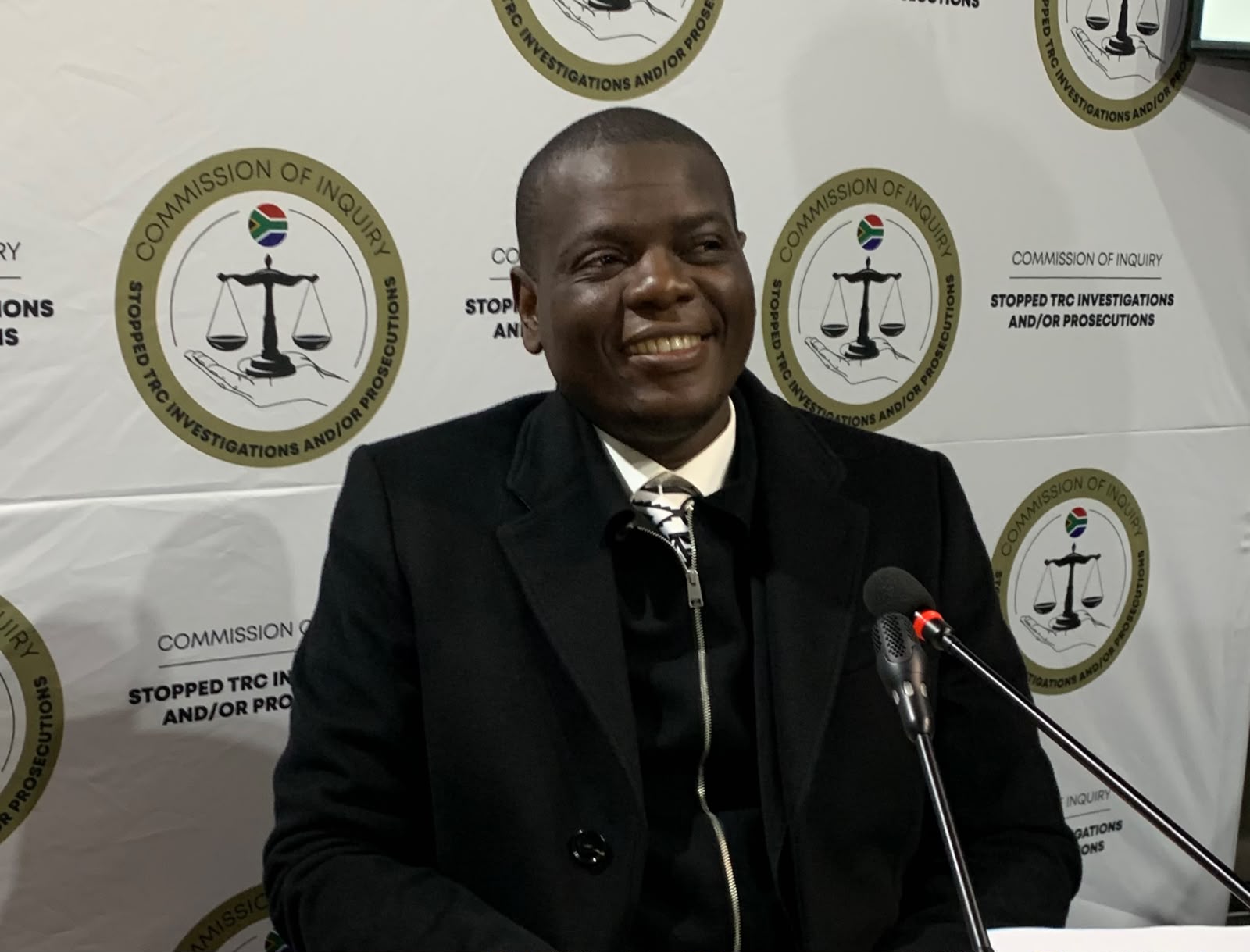
South Africa will press for half of regional trade to take place within the Southern African Development Community (SADC) during its 2026–2027 chairpersonship, International Relations and Co‑operation Minister Ronald Lamola said on Wednesday as the country formally accepted the SADC chair at the Council of Ministers meeting in Durban.
Ambitious intra‑regional trade target
Lamola set a clear economic priority for the chairpersonship: expand trade between SADC member states from current levels to 50 percent. He described the present intra‑SADC trade rate as about 20 percent and said it was too low given the region’s potential.
“During our tenure, we will ensure the implementation of our Skukuza retreat objectives to achieve 50 percent intra‑SADC trade and harnessing of critical minerals for beneficiation at source,” Lamola said.
Value chains, beneficiation and critical minerals
Lamola said South Africa would focus on agricultural transformation, critical‑minerals beneficiation, increased regional trade and the development of regional value chains. He noted the SADC region holds nearly 30 percent of the world’s proven critical‑mineral reserves, including approximately 50 percent of global cobalt reserves and 20 percent of graphite reserves.
He warned that the region needed to ensure its mineral wealth translated into domestic economic and social development rather than continuing a pattern in which resources benefited economies outside the region. “Reversing this pattern requires us to beneficiate our resources, build regional value chains and trade more with one another,” Lamola said.
Infrastructure, manufacturing and jobs
Infrastructure development is another priority, Lamola said, with efforts to expand and modernise systems that connect countries across SADC. He listed examples of what must be improved: reliable energy, efficient transport corridors, modern ports, integrated digital networks and dependable water systems.
Lamola pointed to the limits facing regional manufacturing, saying it currently accounted for only 10 percent of GDP and could not generate employment at the required scale. “Without these foundations, regional manufacturing cannot expand,” he added.
Social capital, youth and inclusive development
South Africa’s SADC agenda will also include social and human capital development, Lamola said, noting demographic facts about Africa’s young population. He said the median age across Africa is 19 and that nearly 60 percent of the population is under 25. He added that by 2030 one in four young people globally will be from Africa.
Lamola stressed that economic growth and job creation must match population growth: “This means our economies and level of job creation must be at the same par with population growth.” He said gender equality, climate resilience and disaster‑risk management must underpin the regional programme to ensure development is inclusive.
Migration, peace and regional responsibility
Migration will feature during South Africa’s chairpersonship. Lamola acknowledged public debate in South Africa around irregular migration and tensions over border integrity, access to economic opportunities and pressure on communities and public institutions. He rejected vigilantism and human rights violations and said: “Addressing the challenges associated with irregular migration must occur within an orderly and lawful framework.”
Lamola urged SADC states to sign the protocol on the free movement of people to enable regular and orderly migration, adding: “We are hopeful that, together, we can chart a path towards holistic and long‑lasting solutions to the migration challenges facing our region.”
He said peace, security and stability would remain a key priority and that the security of one member state is inseparable from that of the entire SADC community. “Time and again, we have demonstrated that regional solidarity remains our greatest strength in addressing emerging security and political challenges,” Lamola said.
Context for the chairpersonship
Lamola said South Africa was taking the SADC chair amid great‑power competition, increased external shocks, climate disasters, the threat of pandemics and a turn inward by advanced economies. He called for regional development frameworks to translate into tangible improvements in people’s lives and urged renewed commitment to closing the gap between regional ambitions and institutional capacity.
Speaking about South Africa’s role, Lamola said the country recognised its responsibility as the region’s most industrialised economy and would contribute its capabilities to regional integration and shared prosperity. “We approach the Chairpersonship in that spirit, with humility, purpose and a commitment to work with every Member State,” he said.
Follow Joburg ETC on Facebook, Twitter, TikTok and Instagram
For more News in Johannesburg, visit joburgetc.com
Source: iol.co.za