Opinion
Dr Tlaleng Mofokeng’s final UN report frames ‘reproductive genocide’ as a public‑health crisis
Dr Tlaleng Mofokeng’s final UN report labels attacks on healthcare as ‘medicide’ and frames reproductive rights violations as a public‑health crisis in Gaza, Sudan and beyond.
Dr Tlaleng Mofokeng closed her six‑year tenure as UN Special Rapporteur on the right to health with a 22‑page final report titled A Compendium on Medicide: A Sub-text to Reproductive Genocide – A Public Health Crisis. The document argues that deliberate attacks on healthcare and reproductive systems amount to a public‑health emergency and form part of broader genocidal strategies in conflict zones such as Gaza and Sudan.
Mandate, backlash and the focus of the report
Dr Mofokeng’s mandate officially ended on 31 July. The final report brings together her work on what she terms medicide the targeted destruction of medical personnel, infrastructure and systems and connects these attacks to reproductive rights violations.
The report has attracted political pushback. The article notes complaints from groups including UN Watch and reporting by the SAJR that focused on her private and political activities, including a complaint alleging a conflict over her acceptance of an electoral candidacy for the EFF’s Johannesburg mayoral ticket. The piece also recounts a past process involving the SAZF and the HPCSA that resulted in a finding of misconduct over social media comments, a ruling Dr Mofokeng is challenging in the High Court.
Medicide and reproductive genocide defined
Dr Mofokeng advances an anti‑racist, anti‑colonial lens to explain how health violations are gendered and structurally produced. She writes that “structural racism, coloniality and gender‑based discrimination function as determinants of health inequities” and aims to “contribute to new knowledge sharing” by linking the right to health with systems of oppression.
The report defines reproductive genocide as deliberate policies and practices that:
- Target reproductive health, choices and capacity
- Include mass imprisonment, psychological warfare, collective punishment, ethnic cleansing and sexual violence
- Restrict healthcare access through manipulation of resources
- Exert control over a community’s ability to reproduce
Documenting attacks and harms
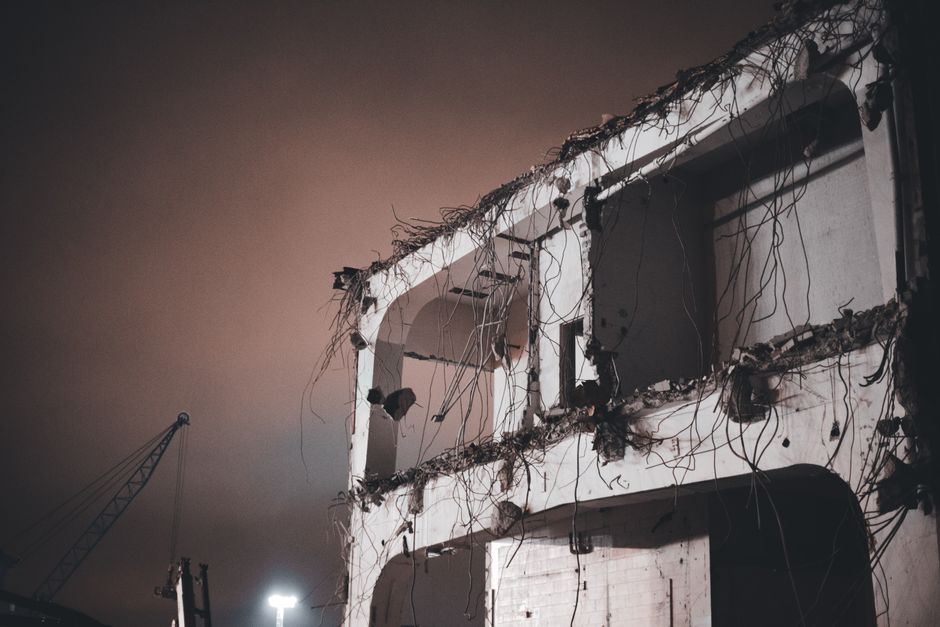
Drawing on investigations and documentation, the report catalogs methods used to destroy healthcare: bombing, looting, occupation and vandalisation of facilities; harassment, kidnapping, injury and killing of healthcare workers; and dismantling of humanitarian organisations.
In Gaza, Dr Mofokeng records over 686 health attacks between 7 October 2023 and 7 May 2025, affecting 122 health facilities and 180 ambulances. She cites other UN findings and agencies in support of her conclusions, including a UN Commission of Inquiry and a UN Special Committee.
The report highlights the plight of pregnant women in Gaza, noting the UNFPA estimate that 55,000 pregnant women there face severe hunger, malnutrition and a lack of adequate maternal care.
Sudan and other theatres of harm
On Sudan, the report calls for an immediate ceasefire, protection of medical personnel and facilities, and accountability for those responsible. It states that over half the population faces acute hunger and that over 12 million people are displaced. The report documents widespread sexual violence, including rape, gang‑rape and sexual exploitation, and describes how destroyed and under‑resourced health services leave survivors with little or no medical care.
Dr Mofokeng also points to similar patterns in other countries she reviewed, including the Democratic Republic of the Congo and Haiti.
Law, accountability and the report’s closing plea
The report situates medicide within international law, noting the relevance of the Genocide Convention’s Article II(c) on destruction of health as evidence of genocidal intent. It calls for independent investigators to be permitted into conflict zones and for states and institutions to uphold obligations under international humanitarian law.
“Attacking healthcare (in Gaza, Sudan, or anywhere) breaks those laws – and there must be consequences.“
Among the report’s practical recommendations are building and replacing destroyed facilities with permanent hospitals, supplying clean water and medicines through interim measures, and deploying medical specialists to conflict zones.
Final note
The piece describes the final report as a concentrated contribution to human‑rights and health scholarship, framing attacks on healthcare and reproductive systems as a public‑health crisis that demands urgent international attention, accountability and protection for medical personnel and civilians.
Follow Joburg ETC on Facebook, Twitter, TikTok and Instagram
For more News in Johannesburg, visit joburgetc.com
Source: iol.co.za