Opinion
South Africa’s immigration reckoning: law, humanity and the cost of repatriation
South Africa spent nearly $18m on repatriations; 82,875 people have been deported or repatriated. The country must balance border control with humane enforcement.
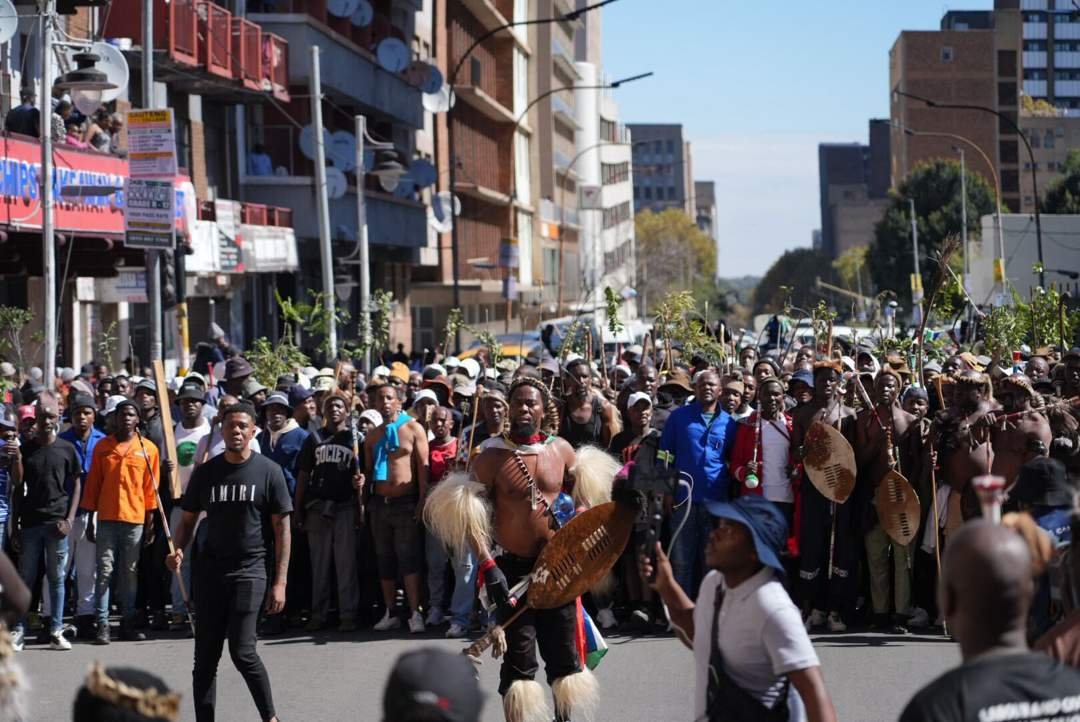
South Africa has spent nearly $18 million on accommodating and transporting migrants during a recent wave of repatriations, and authorities say 82,875 people have been deported or voluntarily repatriated as migration tensions intensified.
Balancing sovereignty and humane enforcement
South African officials have argued that the state has an obligation to control its borders and to ensure that “people living, working and operating businesses in South Africa must do so legally.” At the same time, commentators in the source material stress that enforcing immigration law must not permit violence or vigilantism: the government has warned that “vigilantism, violence and incitement against foreign nationals are criminal acts.”
The human and legal stakes
The reporting emphasises two concurrent truths: there are legal and fiscal responsibilities tied to border control, and behind the statistics of repatriation are individual human beings. The piece warns that a civilised society must distinguish between lawful enforcement and mob action, noting that “an undocumented immigrant does not have an automatic right to remain in a country illegally. But neither does a citizen have the right to assault, threaten or humiliate that person.”
Who pays for returns?
South Africa is seeking reimbursement from Malawi, Ethiopia and Nigeria after covering most of the recent repatriation operations, which the government said required transportation, temporary processing centres, security, accommodation and additional staffing. The source states the government acknowledged in July that it was financing most of these operations and described the temporary measures as costly to the public purse.
The argument in the source material is that requesting reimbursement is not inherently unreasonable, and that if other African governments expect South Africa to treat returning citizens humanely, those governments should also accept responsibility for receiving and assisting their citizens when they return.
Economic realities and limits of deportation
The piece warns against treating deportation as an economic policy. It quotes President Cyril Ramaphosa as acknowledging that “illegal immigration is not the cause of all South Africa’s economic difficulties,” and that deeper answers lie in growth, investment, industrial expansion, infrastructure and job creation.
It also notes that migrant workers are integrated in sectors such as agriculture, construction, retail and transportation, and that their departure may create labour disruptions. The source cites Reuters reporting that research indicates migrants contribute substantially to economic output rather than simply displacing South African workers.
A path forward outlined
The commentary urges a measured approach: enforce immigration law strongly enough to preserve public confidence, but carefully to avoid harming the economy; protect South African workers while not painting all foreign workers as enemies; and protect migrants from violence while not tolerating illegal immigration.
Specific policy suggestions in the source include modernising immigration systems, punishing employers who knowingly exploit undocumented labour, creating lawful pathways for needed workers, prosecuting those who attack foreigners, and demanding accountability from governments whose citizens must be repatriated.
Longer-term perspective
The source argues the long-term solution for migration pressure in Africa is economic development so that people move primarily by choice rather than necessity. It says South Africa, as a major continental economy, has a role to play but must begin with order at home.
“A nation can enforce its laws without surrendering its conscience.”
The piece concludes that how South Africa answers this moral test could shape the country’s immigration policy and “the economic and moral future of Africa itself.”
Follow Joburg ETC on Facebook, Twitter, TikTok and Instagram
For more News in Johannesburg, visit joburgetc.com
Source: iol.co.za