Opinion
Counterpoint: Why the ‘King’s Gambit’ misses South Africa’s political reality
EFF MP Carl Niehaus argues the ‘King’s Gambit’ framing misreads South African politics as strategy rather than elite self-enrichment, urging principled radical economic change.
EFF MP Carl Niehaus offers a direct counterpoint to Ayanda Mdluli’s article titled “Chess, not checkers: inside the King’s Gambit of SA politics.” Niehaus rejects the depiction of recent political manoeuvres as high strategy, arguing instead that they represent elite self-interest and a continuation of compromises that have blocked radical economic change.
From negotiation-era compromises to elite enrichment
Niehaus draws on his long experience in the liberation struggle to critique the post-apartheid transition. He says compromises reached during negotiations after exile often celebrated as pragmatic statecraft in practice created an axis of elites and reassured business interests that their economic position would be protected. He points to the relationship formed between Cyril Ramaphosa and Roelf Meyer as emblematic of that elite axis.
Those early compromises, Niehaus writes, were portrayed by commentators as clever politics but in reality began a process that allowed a narrow political elite to share in economic spoils while the majority remained excluded from meaningful ownership of the economy.
Missed opportunities for fundamental transformation
Niehaus argues that the ANC failed to use moments of political advantage to enact the constitutional and economic changes needed for what he calls fundamental transformation. He says the party did not pursue amendments, including to Section 25, that would have enabled a programme of expropriation of land without compensation, and that by the time opportunities arose the leadership had become beholden to interests that prioritised self-enrichment.
Historic meetings and early warnings
Niehaus highlights a meeting on 13 September 1985 at Mfuwe Lodge in Zambia, where ANC leaders met with representatives of white industry including Gavin Relly of Anglo American and others Niehaus names and argues that encounter began a process of reassuring capital about the protection of its interests.
He cites contemporary and historical critics who warned at the time that these compromises diluted the revolutionary programme, naming figures such as Mama Helen Joseph, Chris Hani, Harry Gwala, Mama Winnie Madikizela-Mandela, Oliver Tambo and Dr Beyers Naudé as those who opposed what they saw as a sell-out of liberation aims.
Three contemporary moves Niehaus criticises
Niehaus examines three recent developments he views as further evidence of what he calls sell-out politics:
- The appointment of Duduzane Zuma as first deputy president of the MK Party. Niehaus characterises Duduzane as motivated by self-interest and highlights Duduzane’s own remark at a BizNews conference in the Drakensberg that he is “a capitalist at heart.”
- President Cyril Ramaphosa’s public lecture at the University of KwaZulu-Natal. Niehaus describes Ramaphosa as an opportunist and criticises what he sees as soft-soaping state failures on immigration and Home Affairs while adopting statesmanlike language for regional audiences.
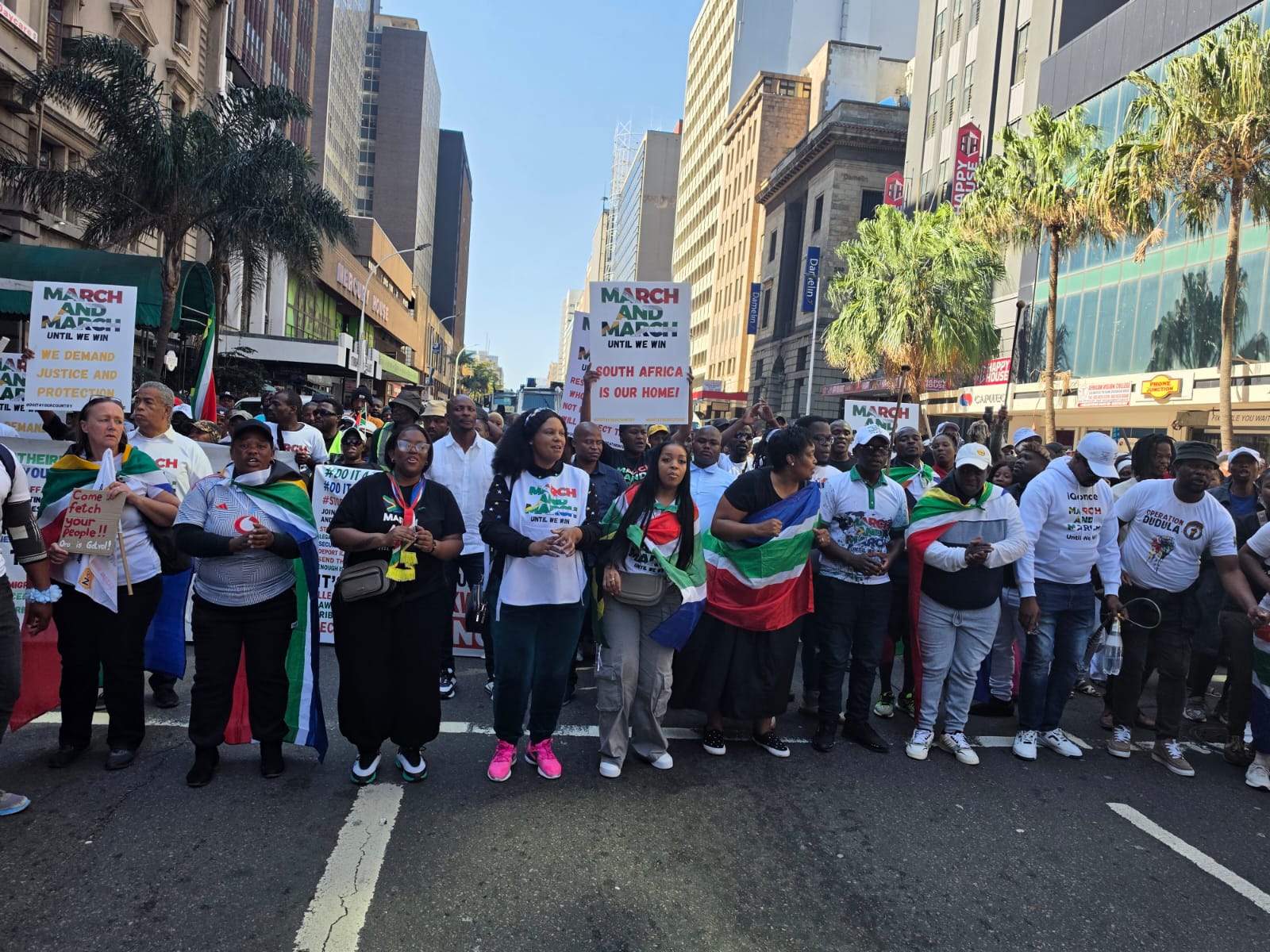
- The engagement between March and March, led by Jacinta Ngobese-Zuma, and AfriForum under Kallie Kriel. Niehaus condemns this engagement as a political sell-out and links it to foreign influence he says shaped some actors’ orientations.
On comparisons and strategy
Niehaus rejects comparisons drawn by Ayanda to historic, controversial meetings such as Marcus Garvey’s or Malcolm X’s contacts with white supremacists arguing those parallels are forced and that the contemporary contacts are not rooted in an ideological programme for transforming power relations.
What Niehaus proposes instead
For Niehaus, the antidote to what he calls the “politics of the stomach” is a return to principled, conviction politics focused on radical economic transformation. He sets out non-negotiable aims including the return of land through expropriation without compensation, democratic ownership of mines and strategic industries, and breaking what he calls white monopoly capital and its imperial connections.
Niehaus argues these aims and a Pan-African orientation are best articulated, in his view, by the Economic Freedom Fighters and rooted in a Fanonist Marxist grounding that insists on dismantling colonial and neo-colonial economic structures.
Closing
Niehaus closes by calling on those with ideological commitment to refuse elite bargains and to organise people around a clear programme for radical economic change, warning that history will not absolve those who trade the substance of liberation for office and enrichment.
Follow Joburg ETC on Facebook, Twitter, TikTok and Instagram
For more News in Johannesburg, visit joburgetc.com
Source: iol.co.za