Health
Rotavirus warning: five dehydration signs that mean your child needs medical care
South Africa’s 2026 rotavirus season continues. Health authorities list five dehydration warning signs in children and give guidance on rehydration and care.
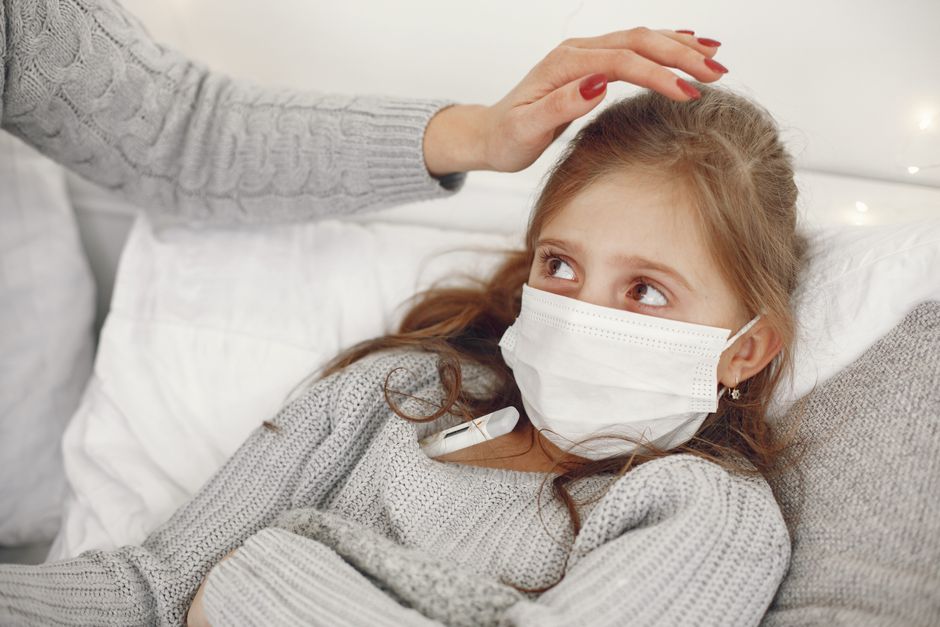
South Africa’s 2026 rotavirus season is ongoing, with health authorities reporting a sharp rise in cases in Pretoria and one death. The National Institute for Communicable Diseases has urged parents and caregivers to watch for signs of dehydration in infants and young children after vomiting and severe watery diarrhoea.
Why dehydration is the main danger
Rotavirus typically causes sudden vomiting followed by non-bloody, watery diarrhoea, and can bring fever, loss of appetite, tiredness and mild abdominal discomfort. While many children recover, the NICD warns that the rapid loss of fluids can become life‑threatening if dehydration is not recognised and treated quickly.
Five warning signs that need medical attention
The NICD lists these specific signs of dehydration that should prompt medical assessment:
- No tears when crying: crying with few or no tears may indicate fluid loss.
- Dry mouth or sunken eyes: dryness in the mouth, sunken eyes or a sunken soft spot in babies are possible dehydration indicators.
- Fewer wet nappies: having no wet nappy for six to eight hours is a sign a child may be dehydrated.
- Unusual sleepiness or limpness: becoming unusually sleepy, listless, excessively tired or limp especially if difficult to wake requires urgent attention.
- Refusing to drink or eat: a child who refuses fluids or feeds, or cannot keep fluids down, is at greater risk of dehydration and should be assessed by a healthcare professional.
Signs of severe dehydration
The NICD says severe dehydration is a medical emergency. Other serious signs can include dark urine, cold or discoloured skin, fast breathing or a rapid heartbeat, and skin that remains raised for longer than normal after being gently pinched. Parents and caregivers are advised to take a child showing signs of severe dehydration to the nearest clinic or healthcare facility immediately.
How parents can respond
The NICD’s guidance for caregivers includes continuing to breastfeed infants and increasing fluid intake when a child has diarrhoea. Oral rehydration solution (ORS) can help replace fluids lost through vomiting and diarrhoea and may be given while travelling to a healthcare facility where possible.
Parents are also encouraged to ensure children receive their routine rotavirus vaccinations. The NICD notes that rotavirus vaccination has been part of South Africa’s Expanded Programme on Immunisation since 2009 and helps protect children against severe disease.
What not to do
The NICD warns against ignoring persistent vomiting or watery diarrhoea in babies and young children because dehydration can develop quickly. Caregivers should not stop breastfeeding or feeding a child simply because they have diarrhoea unless advised by a healthcare professional. Antibiotics should not be used to treat rotavirus unless prescribed for another confirmed condition, as rotavirus is caused by a virus rather than bacteria.
Recognising dehydration early and seeking prompt treatment can help prevent serious complications, prolonged hospitalisation and death, the NICD said.
Follow Joburg ETC on Facebook, Twitter, TikTok and Instagram
For more News in Johannesburg, visit joburgetc.com
Source: iol.co.za