education
Manamela: Foreign academics needed but visa abuse must be tackled
Higher Education Minister Buti Manamela warns against excluding foreign academics while calling for tighter monitoring of visa compliance at South African institutions.
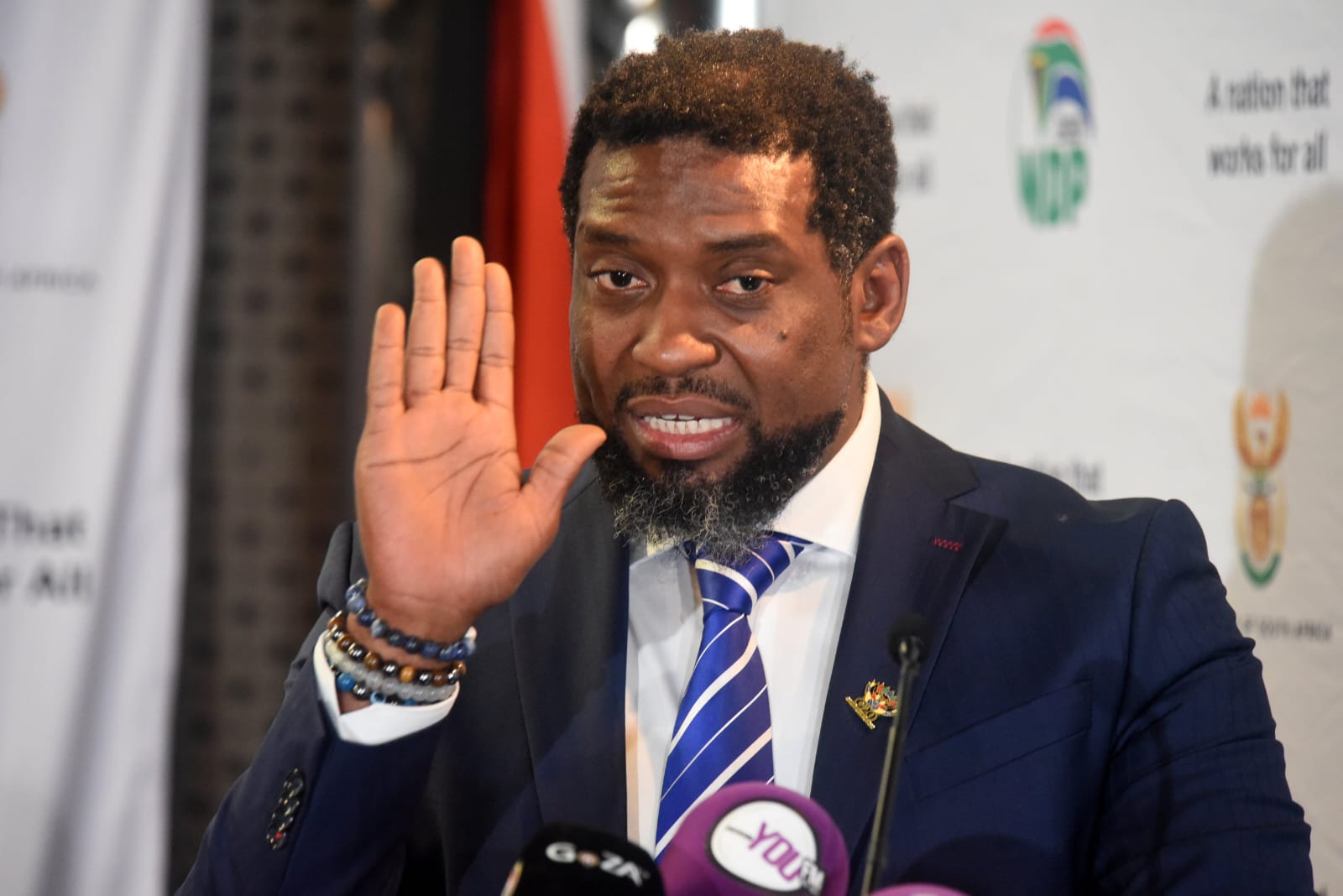
Higher Education and Training Minister Buti Manamela warned that excluding academics of foreign origin would damage South Africa’s research and innovation capacity, while saying the government must tackle possible visa abuse at universities and TVET colleges.
Minister rejects calls to shut out foreign scholars
According to IOL, Manamela rejected the idea of shutting foreign academics out of South African universities, saying such a move would deprive the country of “critical knowledge, innovation and international collaboration.”
Data gaps and proposed joint monitoring
Manamela told Parliament that the department had reported foreign nationals made up about 12% of permanent academic staff, but he acknowledged that institutional datasets did not always distinguish between permanent residents and those on study or work visas. “We developed policies on the basis of good faith. Now, the datasets that are required from institutions, some of them do not specify whether someone is a permanent resident, someone is on a study visa or a work visa,” he said.
He said the Department of Higher Education and Training is proposing a joint effort with Home Affairs, Employment and Labour and the Special Investigating Unit (SIU) to clarify what data should be measured and to conduct inspections. “We are now, as the department, proposing that we, together with Home Affairs, Employment and Labour, the SIU has put itself into the mix, need to agree on what data we should measure, and then we need to go and do the inspection as to who meets what,” Manamela told Parliament, according to IOL.
On reports of visa abuse
Manamela acknowledged reports that some students and academic staff may be abusing visas, but said universities generally relied on documents presented to them. “There are reports that there are students who may be abusing their visas, there may be academic staff who may be abusing their work visas,” he said, as reported by IOL.
He added that, based on the information available to the department, there was no evidence that any university or TVET college knowingly employed people without the required documentation. “What I can say now, with as much authority as possible, based on the information that we have, is that there’s no university or TVET college that has hired any person anywhere in our institutions without the requisite papers,” Manamela said. He invited anyone with contrary information to name the institution involved: “If we know anyone who’s been appointed in that way, let’s deal with those. Let’s name the university. Let’s name them.”
International collaboration seen as essential
While insisting recruitment must comply with South African law, Manamela warned against turning compliance into a campaign against foreign academics. “The idea that you can keep our universities from academics of foreign origin, I think we’ll be making a great mistake,” he said, according to IOL. “Anyone who’s hired in our university must be legally appointed, must meet the rules and regulations of this country, the Constitution and the different legislation.”
He argued that international expertise and collaboration are important for competitiveness, research and innovation. “The world is yearning for collaboration. The continent is yearning for collaboration. And we cannot progress as a country if we think that we can exclude and insulate ourselves from what’s happening in the world,” Manamela said, as reported by IOL.
Opportunity and legal limits
Manamela described international shifts in academia as a potential opportunity for South Africa to attract expertise and foster collaboration between local and international researchers. “It’s a huge opportunity for us to get South African brains to collaborate with international brains to help build this country,” he said, according to IOL. He emphasised that such recruitment “needs to happen within the laws of the country.”
According to IOL, “We developed policies on the basis of good faith. Now, the datasets that are required from institutions, some of them do not specify whether someone is a permanent resident, someone is on a study visa or a work visa.”
Follow Joburg ETC on Facebook, Twitter, TikTok and Instagram
For more News in Johannesburg, visit joburgetc.com
Source: iol.co.za