Business
Inside the R754.2bn public‑service pay bill: who gets what in 2024/25
South Africa budgeted R754.2bn for public‑service pay in 2024/25. Salaries range from about R148,700 to over R2.3m. Education, health and police take two‑thirds of the total.
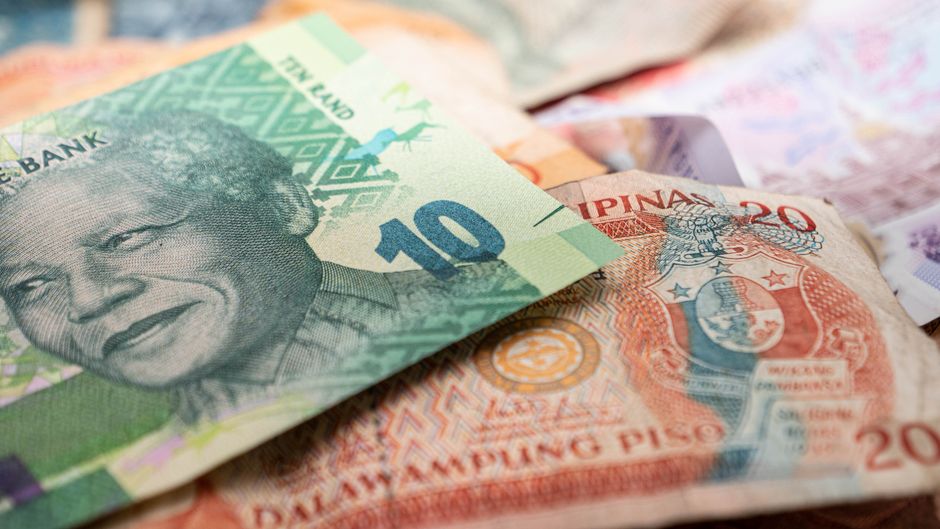
South Africa budgeted R754.2 billion for employee compensation in 2024/25, a sum that Treasury said represented almost a third of the R2.37 trillion the government expected to spend that year. The allocation covers pay, benefits and employer contributions for workers delivering public services across schools, hospitals and the criminal justice system.
How the money is concentrated
The 2024 Budget Review shows large shares of the compensation envelope go to frontline services. Basic education was allocated about R241.9 billion, health about R174.6 billion and police services about R100.1 billion. Together, those three areas accounted for more than two‑thirds of the compensation budget.
Pay ranges across the public service
Salaries vary widely by level, occupation and experience. Sources cited in the Budget Review and salary surveys place typical figures across the sector:
- Standard public‑service salary scale: from about R148,700 a year at level one to more than R2.3 million at level 16.
- Monthly equivalents: roughly R12,400 a month at the bottom and about R194,000 a month at the top, before tax and other deductions.
- PayScale averages: the average base salary in the government sector is about R309,000 a year (around R25,750 a month). PayScale’s occupation averages include about R273,000 a year for educators, R261,000 for registered nurses and R202,000 for police or patrol officers.
These figures describe gross salaries and do not directly equate to take‑home pay.
Beyond the payslip: allowances and retirement contributions
The total cost of an employee to government is broader than the basic salary listed on a payslip. The Public Service Handbook provides for additional items such as medical assistance, housing allowances and danger allowances as part of remuneration.
Retirement contributions are a further component. Members of the Government Employees Pension Fund (GEPF) contribute 7.5% of their pensionable salary. As employer, government contributes 13% for most members and 16% for members of the police, defence force, correctional services and intelligence services. For example, a pensionable salary of R30,000 a month would generate a member contribution of R2,250 and a typical employer contribution of R3,900.
Spending growth and pressures
Treasury said compensation was among the fastest‑growing areas of expenditure, with spending projected to increase by an average of 4.5% a year over the three‑year medium‑term expenditure framework.
Retirement withdrawals highlighted financial strain among public servants. After the two‑pot retirement system took effect, 564,547 members lodged claims and withdrew about R15 billion between September 2024 and March 2025. The GEPF had about 1.27 million active members, underscoring that what government spends on employment and how financially comfortable members are can be very different.
What this means in practice
The 2024/25 compensation bill shows heavy spending on frontline services and a wide dispersion of pay across the public sector. The combination of salary scales, additional benefits, employer pension contributions and rising compensation costs frames both the fiscal impact and the lived financial realities of many public employees.
Follow Joburg ETC on Facebook, Twitter, TikTok and Instagram
For more News in Johannesburg, visit joburgetc.com
Source: iol.co.za