Business
BRICSCOIN: a bank-to-bank trade-settlement coin with a diamond centre
According to IOL, BRICSCOIN is a bank-to-bank trade-settlement instrument physical and digital minted by unanimous BRICS central-bank approval and featuring a diamond.
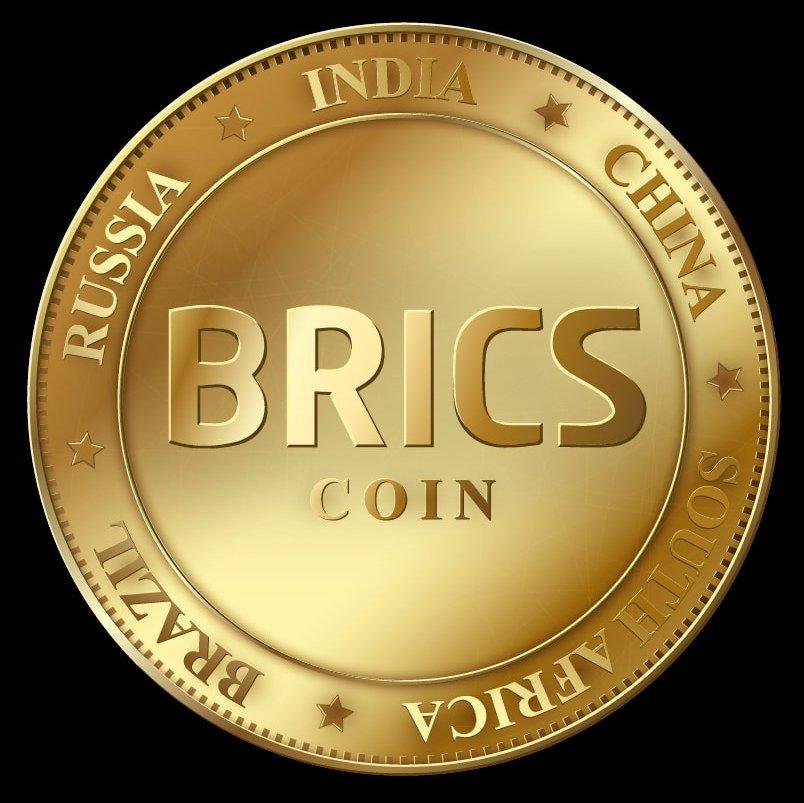
According to IOL, BRICSCOIN is being proposed as a trade-settlement instrument central banks would use only to clear trade balances with one another it is not a national currency, not pegged to gold, and not a simple digital token.
How BRICSCOIN would be issued
According to IOL, new BRICSCOIN would be minted only by unanimous agreement of an Issuing Council with one representative per founding central bank: Brazil, Russia, India, China and South Africa. No single member can be overridden; an individual holdout would block issuance.
A physical security at the coin’s core
According to IOL, each coin would contain a certified diamond set into a disk and CT-scanned to record the stone’s unique internal inclusions. That unique arrangement would be hashed and registered on a ledger held identically by all five central banks, with no master copy.
“is this coin real?”
According to IOL, the ledger’s role is limited to answering that single question; the ledger is never updated when a coin changes hands, and settlements are described as private, bilateral, off-ledger events closer to handing over a gold coin than to a blockchain transfer.
Value, fungibility and inflation protection
According to IOL, each BRICSCOIN would settle at roughly $1 million, a value far larger than the diamond inside, because the stone exists to make the coin nearly impossible to counterfeit rather than to back its monetary worth. BRICSCOIN would not be a claim on any member’s balance sheet, and new coins would require all five signatures; once minted, a coin would be a fixed physical object rather than a ledger entry a central bank could inflate away.
How bank-to-bank settlement would work
According to IOL, importers would buy BRICSCOIN from their own central bank to pay exporters. The importer’s central bank would transfer physical coins to the exporter’s central bank, which would then credit the exporter in local currency. The physical coins would move only bank to bank, and neither the importer nor the exporter would touch the coin directly.
Where the mechanism could start
According to IOL, the practical early use cases are bilateral trade corridors that are already close to balance, so holdings do not drift far in one direction. IOL highlights three balanced relationships among BRICS and BRICS+ members as examples.
- China–Russia: cited at $245 billion in trade with a 6% imbalance.
- India–South Africa: described as under $16 billion a smaller corridor where early errors would cost less.
- Brazil–India: noted as already discussed as a target for reduced-dollar settlement.
According to IOL, the trade data referenced comes from national customs data via Trading Economics and UN Comtrade, compiled August 2026.
Phased, cautious rollout
According to IOL, the proposal’s advocates envisage starting small on genuinely balanced corridors to let the mechanism prove itself and build trust before tackling less balanced relationships that could expose the system to persistent imbalances.
Follow Joburg ETC on Facebook, Twitter, TikTok and Instagram
For more News in Johannesburg, visit joburgetc.com
Source: iol.co.za