Business
Puma Energy and Black Heritage Investments form strategic downstream partnership in South Africa
Puma Energy and Black Heritage Investments form a strategic partnership aimed at reshaping South Africa’s downstream fuel sector through local empowerment and scale.
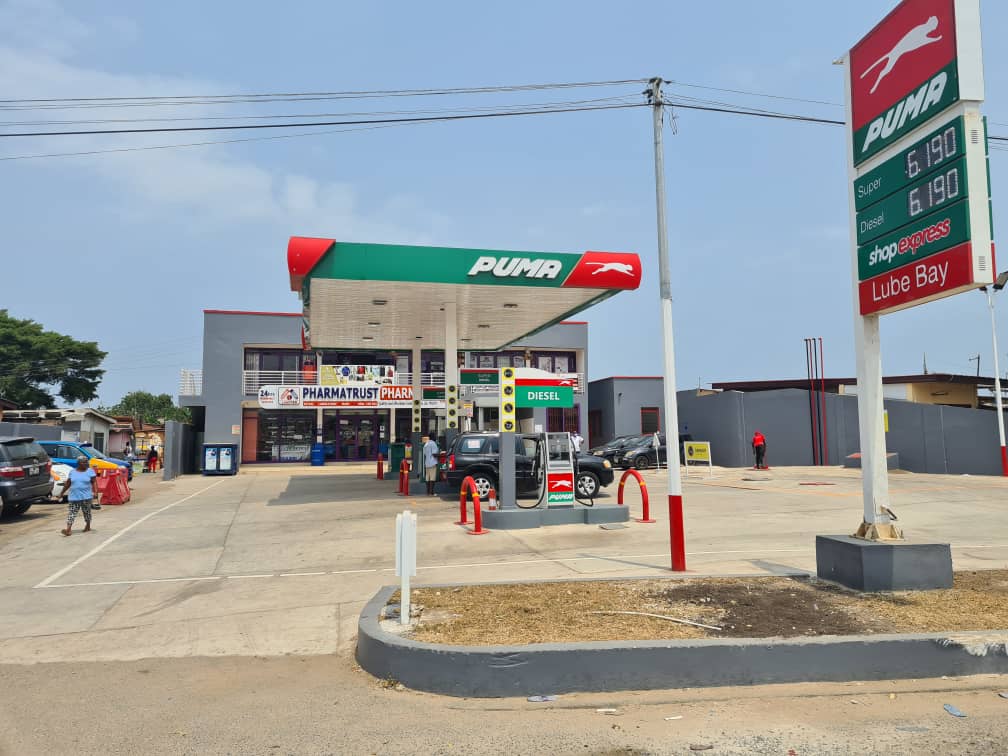
A strategic partnership between Puma Energy South Africa and Black Heritage Investments (BHI) aims to reconfigure the country’s downstream fuel sector, combining international operating scale with locally anchored ownership and infrastructure experience.
Deal and scale
According to IOL, BHI has acquired a 30% stake in Puma Energy South Africa, creating a joint platform intended to address structural pressures in the downstream market such as supply security, infrastructure limits and changing customer expectations.
What each partner brings
According to IOL, Puma Energy South Africa operates across retail, commercial fuels, aviation, lubricants and low-carbon energy solutions, and its local footprint includes 95 retail sites, 99 convenience stores, operations at about 50 airports, three terminals and roughly 5,000 cubic metres of storage capacity. IOL also reports that Puma Energy holds B-BBEE Level 1 status.
According to IOL, BHI is a 100% black-owned investment company with sector exposure across mining, energy, ICT, healthcare, advisory services, property, infrastructure and logistics. IOL adds that BHI has a recent association with LNG infrastructure at the Port of Ngqura.
Financial and global backing
According to IOL, Puma Energy’s global operations are supported by more than 2,000 retail sites worldwide, and the company is backed by Trafigura’s balance sheet. IOL also published Puma Energy’s 2025 financial results: volumes rose by 9%; EBITDA climbed by 23% to $415 million; net profit reached $151 million; cash flow from operations increased to $317 million; equity rose to $690 million; and net leverage improved to 1.2 times.
Strategic aims and sector context
The partnership is presented as a response to national vulnerabilities in fuel supply and logistics, and as a platform to pursue retail expansion, strengthen commercial-fuels operations and develop low-carbon offerings. IOL frames the transaction as both a commercial alliance and an empowerment milestone, noting the combination of Puma Energy’s international operating systems with BHI’s local legitimacy and infrastructure experience.
Measured by execution
IOL says the alliance will ultimately be judged on delivery: improved supply reliability, stronger customer propositions, convenience-retail performance, expanded skills and supplier participation, and credible low-carbon solutions.
Implications for transformation
According to IOL, the deal signals a model of empowerment that aims to move beyond compliance toward substantive participation in value creation, infrastructure development and skills formation by integrating meaningful ownership with competitive capability.
Follow Joburg ETC on Facebook, Twitter, TikTok and Instagram
For more News in Johannesburg, visit joburgetc.com
Source: iol.co.za