Business
SADC’s moment of truth: turning regional unity into jobs and infrastructure
Leaders at the SADC summit urged turning commitments into roads, power, factories and jobs. The challenge is implementation of regional integration and critical-minerals value chains.
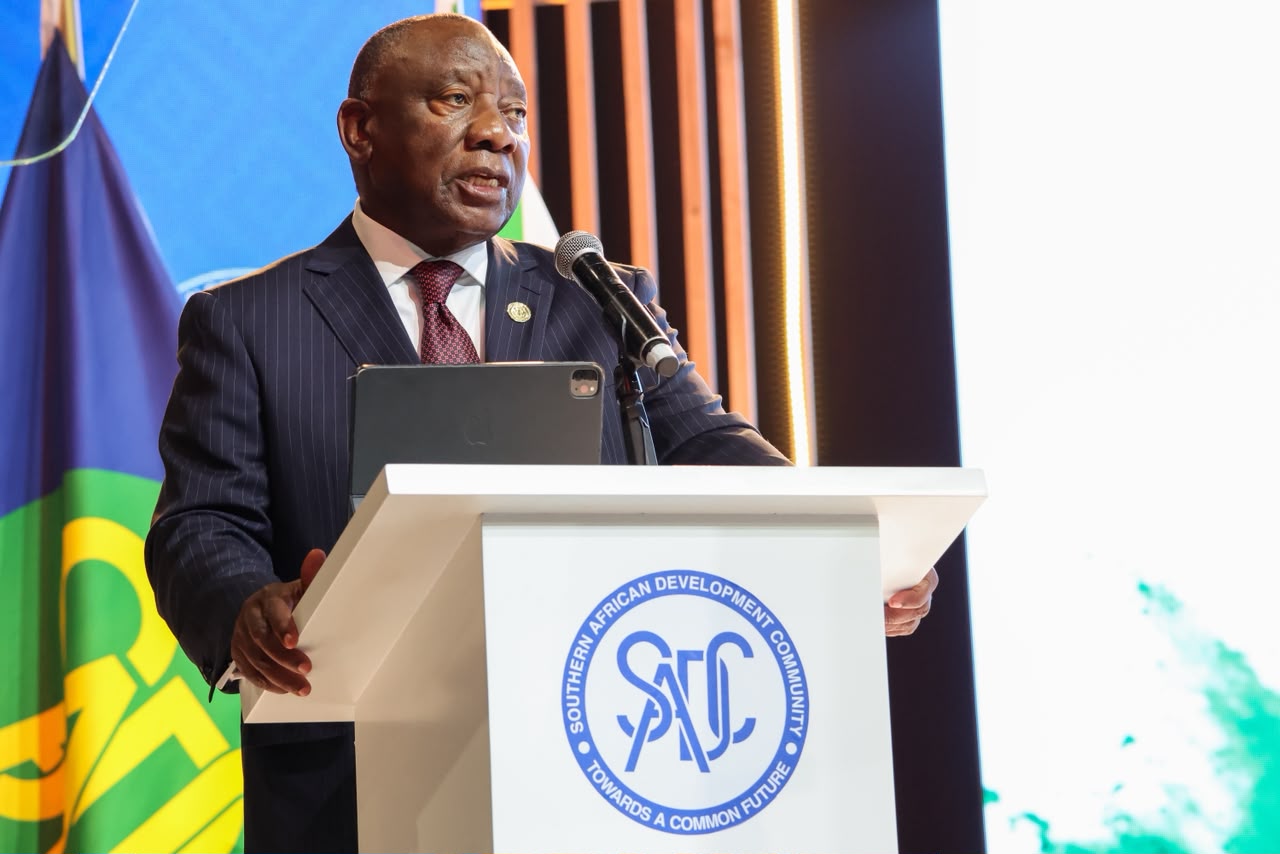
Southern African leaders at the recent SADC summit urged action to turn political commitments into tangible economic benefits, with emphasis on infrastructure, energy cooperation, trade facilitation and value chains for critical minerals. President Cyril Ramaphosa called for commitments to become construction projects, factories, power and water systems, businesses and jobs that improve people’s daily lives.
From liberation roots to economic priorities
SADC was founded in the context of the political struggle against apartheid and colonial rule, and that history remains part of the organisation’s identity. The summit highlighted a shift in focus from political liberation to economic liberation, as leaders concentrated on the practical barriers that still divide the region.
Infrastructure as the backbone of integration
Delegates stressed that infrastructure must underpin regional integration. The summit placed trade, infrastructure, energy and regional integration high on the agenda, with specific attention to improving border infrastructure and strengthening regional electricity cooperation.
The analysis in Durban noted practical bottlenecks affecting cross-border commerce: a truck travelling from Zambia to South Africa can encounter multiple border crossings, administrative procedures and infrastructure delays before goods reach their destination; electricity shortages in one country can affect businesses in another; and drought and security threats cross national boundaries.
Critical minerals and regional value chains
The summit emphasised the economic potential of critical minerals in Southern Africa, naming resources such as lithium, cobalt, manganese, copper and platinum-group metals. The commentary argued these resources offer an opportunity to move beyond exporting raw materials by developing regional value chains for processing, manufacturing and technologies linked to batteries, renewable energy and electric mobility.
The piece highlighted that realising such value chains requires cooperation so that different countries’ comparative advantagesminerals, energy capacity, manufacturing capability or port infrastructurecan be combined.
The test is implementation
SADC’s Vision 2050 was mentioned as the region’s long-term aspiration for a peaceful, inclusive, competitive and prosperous region. South Africa’s chairship is focusing on practical economic integration and infrastructure development. The central critique is an implementation gap: the success of the summit will be judged by whether leaders’ decisions become faster borders, more reliable electricity, better roads and rail, greater agricultural production and industries that create jobs.
Regional integration and wider African ambitions
The commentary argued that a stronger SADC supports the African Continental Free Trade Area by easing movement of goods, services and investment, and gives African countries greater bargaining power internationally. The summit in Durban was portrayed not as a celebration alone but as a test of whether the region can translate shared history and resources into practical economic integration.
Follow Joburg ETC on Facebook, Twitter, TikTok and Instagram
For more News in Johannesburg, visit joburgetc.com
Source: iol.co.za