News
SAHRC and Chapter 9 bodies open joint inquiry after wave of Ekurhuleni killings
The SAHRC, with two Chapter 9 institutions, will run a joint inquiry from 28 Sept to 2 Oct after nine women were killed in Ekurhuleni and alarming GBV statistics emerged.
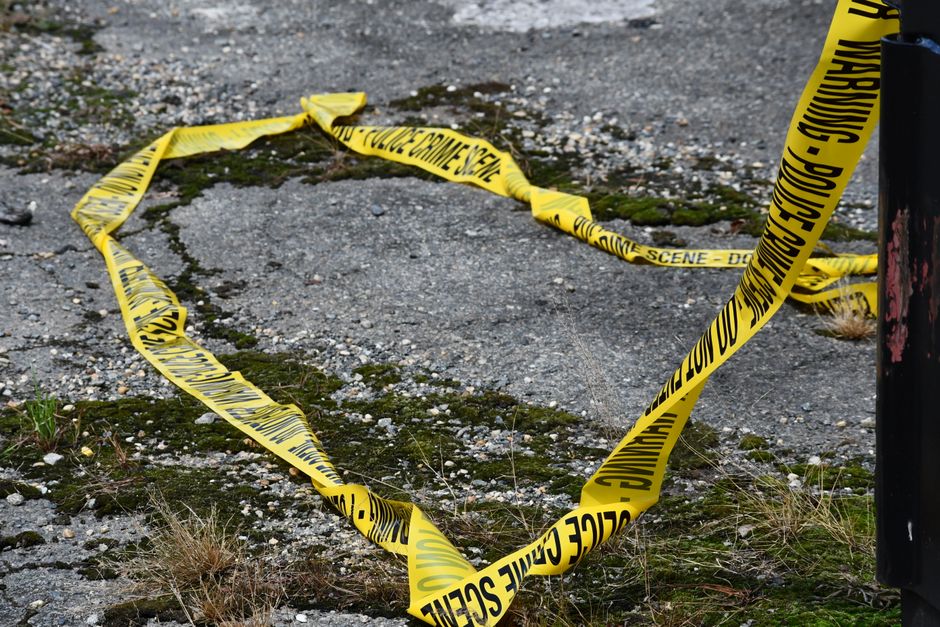
South Africa’s Human Rights Commission (SAHRC) and two fellow Chapter 9 institutions will launch a joint national inquiry at the end of September after a brutal series of killings in Ekurhuleni and worrying national gender‑based violence figures.
What the inquiry will examine
The joint inquiry, to be conducted by the SAHRC together with the Commission for Gender Equality (CGE) and the CRL Rights Commission, is scheduled to run from 28 September to 2 October. Investigators will “dissect the complete lifecycle of state response,” including case reporting, victim support, police investigations, prosecutions, sentencing and offender rehabilitation.
Municipal accountability will also be examined. The Commission noted the role of local service delivery in enabling violence, saying municipal reports have stressed that municipalities must ensure “open fields are properly maintained, long grass is cut, abandoned buildings are rehabilitated, streetlights are working and water and sanitation infrastructure is accessible in safe spaces.”
Why the inquiry was launched
The move follows a string of killings in Gauteng, where nine women were murdered within two months in Ekurhuleni. The SAHRC described the ongoing bloodshed as evidence that the country remains unsafe for women and said the violence “robs women of their basic human rights to life, safety, dignity, and freedom, as enshrined in the Constitution.”
Broader statistics cited by the SAHRC
The Commission highlighted recent police data to underline the scale of the crisis. According to the figures cited:
- 569 women were murdered between April and June 2026.
- 1,052 women survived attempted murder during the same three‑month period.
- 8,814 rape cases were formally logged in the first quarter of 2026.
The SAHRC’s 2026 report on school safety was also referenced for documenting abuse in learning institutions carried out by educators, peers and external service providers.
On who commits these crimes
The inquiry will scrutinise assumptions about offender profiles. Quoting Justice Khampepe’s ruling in S v Tshabalala, the Commission warned against the misconception that perpetrators are outsiders, noting:
“The notion that rape is committed by sexually deviant monsters with no self‑control is misplaced… Often, those who rape are fathers, brothers, uncles, husbands, lovers, mentors, bosses, and colleagues.”
Call for evidence
The Commission has urged civil society and individual citizens to present evidence to help identify systemic shortcomings across the criminal justice pipeline.
Investigators will focus on how failures at each stage of the system from reporting to rehabilitation may be contributing to ongoing violence against women.
Follow Joburg ETC on Facebook, Twitter, TikTok and Instagram
For more News in Johannesburg, visit joburgetc.com
Source: citizen.co.za