News
US visa restrictions on alleged Afrikaner persecution split South African voices
US visa restrictions over alleged persecution of Afrikaners and minorities draw praise from AfriForum, condemnation from Cosatu and sharp reactions from analysts and ministers.
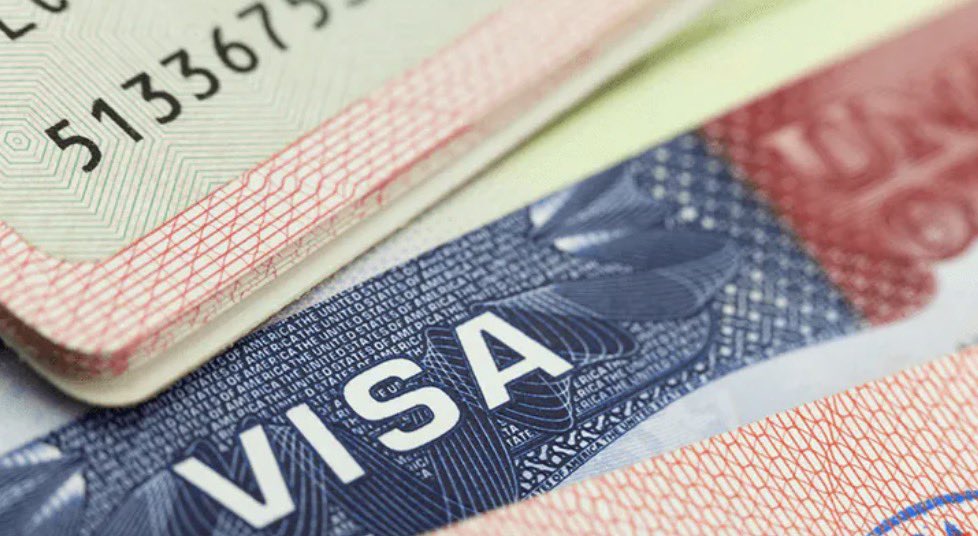
South Africa is sharply divided after the United States announced visa restrictions targeting people alleged to be involved in the persecution of Afrikaners and other minorities. The move drew praise from Afrikaner lobby group AfriForum and strong criticism from the trade union federation Cosatu, while politicians and analysts weighed in on its wider implications.
AfriForum welcomes the US action
AfriForum chief executive Kallie Kriel welcomed the announcement, saying Washington’s action would not harm ordinary South Africans or the country and was aimed at “politicians and others guilty of gross human rights violations against minorities and Afrikaners.”
Cosatu says the allegations are ‘factually devoid’
Cosatu’s parliamentary coordinator Matthew Parks said his federation was “concerned and offended” by the visa ban. He criticised the US for what he described as “factually devoid allegations made against South Africa.”
Parks urged the US government to address bilateral relations “through accepted diplomatic channels,” warned that “social media myths could undermine mutual respect,” and called on AfriForum and others “who stir racial tensions” to accept their role in damaging South Africa’s global standing and relationship with the US.
Analysts and sector leaders warn of broader consequences
Theo de Jager, chair of the Southern Africa Agricultural Initiative board, said many farmers think the African National Congress should distance itself from the “Kill the farmer, kill the Boer” chant or declare farm attacks a priority crime similar to gender-based violence, rhino poaching or cash-in-transit robberies.
Political analyst Rene Oosthuizen said the situation was becoming larger than a diplomatic dispute and that “the US is testing South Africa’s resolve.” She added that South Africa must consider whether it is genuinely protecting its national interests or merely defending its stance.
Piet Croucamp, another political analyst, attributed the matter to the influence of US Secretary of State Marco Rubio and said that in the past it had been mostly US President Donald Trump who had expressed this position.
Bennie van Zyl, chair of the TLU, said the US announcement has a significant impact on agriculture and warned that a country’s international positioning “inevitably affects other role players,” adding that South Africa should expect the US to categorise it accordingly.
Government response
International Relations and Cooperation Minister Ronald Lamola said the US administration’s action “once again aligns with the mischaracterisation of South Africa’s domestic policies by fringe groups who wrongly portray themselves as representatives of ‘minorities and Afrikaners in general’.”
Lamola added that post-apartheid legislation is “intended to improve the plight of the people who had been excluded for centuries.”
What this means next
The announcement has prompted public debate from civil society, labour and political analysts about diplomatic channels, domestic policy perceptions and potential impacts on sectors such as agriculture. The US move has become a focal point for competing views on South Africa’s international image and domestic priorities.
Reported by Marizka Coetzer and Eric Mthobeli Naki on 18 September 2026.
Follow Joburg ETC on Facebook, Twitter, TikTok and Instagram
For more News in Johannesburg, visit joburgetc.com
Source: citizen.co.za