News
Police Issue Strict Ban on Marches and Protests During 2026 Local Elections
South African police warn marches and protests are banned on 2026 local government election day, with security heightened nationwide to protect voting.
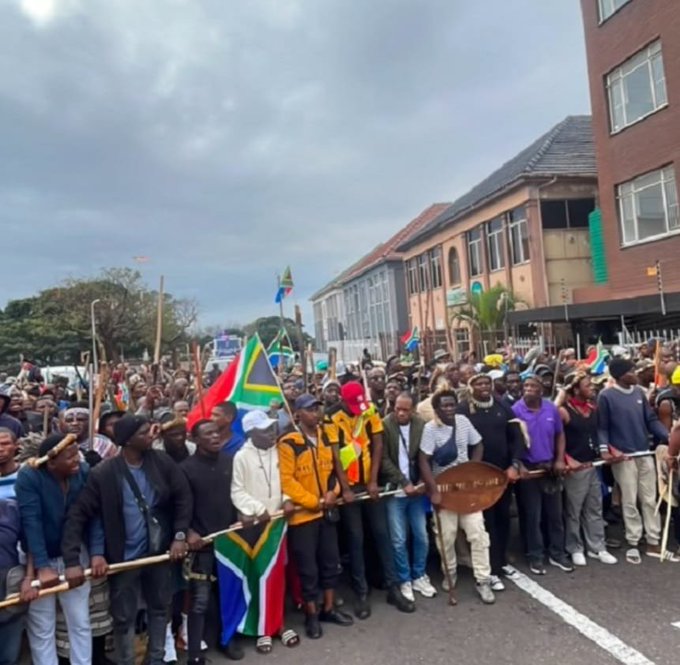
Stern Warning Ahead of the Polls
South African police have delivered a clear message: no marches or protests will be permitted on the day of the 2026 local government elections, taking place on Wednesday, 4 November. The directive comes from Lieutenant-General Tebello Mosikili, chairperson of the National Joint Operational and Intelligence Structure (NATJOINTS).
With millions of registered voters expected to head to the polls, authorities are intensifying efforts to ensure a peaceful and secure environment for the democratic process. Any attempt to stage a protest or march on election day will be considered a criminal offense and met with immediate law enforcement response.
Zero Tolerance for Disruptions
At a media briefing held at the SAPS Academy in Tshwane, Mosikili emphasised that the ban is unequivocal. “You march, you commit a crime,” she declared, confirming that such actions will not be tolerated during the critical period of voting, counting, and results announcements.
Protest, I do not want to even encourage, as I have indicated that it is prohibited in terms of electoral processes that on the day of election no one should protest. If you want to protest, protest, marches end at midnight on Tuesday.
According to Mosikili, peaceful demonstrations and marches may only take place before the day of elections, ending at midnight on Tuesday, 3 November. She reiterated that any demonstration on Wednesday would constitute a crime, subject to law enforcement intervention across the country.
Security Measures and Election Threats Under Scrutiny
NATJOINTS has been closely monitoring potential threats that might impact the elections. Security assessments have factored in several areas of possible instability, such as:
- Political tensions
- Service delivery protests
- Anti-foreigner sentiment
- Labour disputes
- Other risks that could disrupt the election environment
Specific developments in KwaZulu-Natal are being watched following a recent Durban High Court interim order. The order, relating to ongoing anti-migrant protests led by the group March and March, forbids intimidation, violence, property damage, and blocking roads. It also prohibits demonstrations within 100m of voting stations during voting, counting, and the results period.
Areas of Ongoing Concern
In the Western Cape, authorities continue efforts to manage and stabilise areas affected by taxi-related violence. Law enforcement teams remain vigilant against any attempt to undermine the safety and integrity of the voting process.
Mosikili issued a stern reminder: No individual or organisation has the right to obstruct voting stations, threaten electoral officials, intimidate voters, or undermine another person’s democratic rights. The NATJOINTS structure is committed to responding decisively to any criminal conduct threatening the elections.
Call for Political Restraint and Lawful Conduct
The police are urging political parties, candidates, and their supporters to act with restraint and ensure their activities do not compromise the legitimacy of the polls. While lawful and peaceful protest is recognised as a democratic right, it will not be permitted on election day itself as a measure to prevent disruption and intimidation.
Court Rules on March and March Protests
The Durban High Court, in a judgement delivered on Friday, set additional restrictions on the March and March movement and others involved in anti-illegal immigration demonstrations. When these protests resume after the election period, they are only allowed during specific hours (10am to 3pm) and along designated routes. Protesters are specifically barred from carrying weapons, concealing their faces, or engaging in violent acts.
Legal measures are in place to prevent violence and intimidation around voting stations.
The order is the result of an application by government and police leaders and targets potential unrest near key locations such as the Durban CBD and the Home Affairs Refugee Reception Centre.
Millions Set to Vote, Special Arrangements in Place
This week’s elections are anticipated to see broad participation, with 29.2 million registered voters eligible to cast ballots on Wednesday.
For those unable to attend voting stations in person, special votes are being facilitated. On Monday and Tuesday (2 and 3 November), over 2.6 million voters have been approved for these special arrangements, including home visits for those with physical impairments and alternative options for voters unable to be present on election day.
- 678,525 voters will receive home visits to submit their ballots.
- 1,976,542 voters are set to use their registered voting stations during the special voting period.
The provinces with the highest numbers of special voters are Gauteng, Eastern Cape, and KwaZulu-Natal, reflecting concentrated efforts to ensure accessibility and participation.
Ensuring the Integrity of the Electoral Process
The message from authorities is clear: on election day, the focus will be on protecting the rights of voters and maintaining public order. Any illegal protest action, intimidation, or obstruction of the voting process will result in strict action from law enforcement agencies deployed nationwide.
Follow Joburg ETC on Facebook, Twitter, TikTok and Instagram
For more News in Johannesburg, visit joburgetc.com
Source: iol.co.za