Health
Heart disease can hide in plain sight, HSFSA warns

Heart disease does not always come with an obvious warning, and the Heart and Stroke Foundation South Africa (HSFSA) is using World Heart Day to highlight the cardiovascular risks that can go unnoticed.
World Heart Day takes place on 29 September, marking the culmination of Heart Awareness Month and forming part of a global campaign focused on cardiovascular disease (CVD), which remains a major cause of death worldwide.
The Heart and Stroke Foundation South Africa says this year’s campaign, aligned with the World Heart Federation’s theme, ‘Heart Disease Can Hide in Plain Sight: Don’t Miss a Beat’, is focused on improving awareness of symptoms, risk factors and the importance of early detection.
Knowing what the heart is telling you
The campaign comes as health authorities continue to highlight conditions such as hypertension, coronary heart disease, heart failure and abnormal heart rhythms.
The HSFSA says more than one in three people in South Africa have raised blood pressure, while many people believe their salt consumption is within a normal range. It notes that consuming more than 5g of salt a day can contribute to raised blood pressure and hypertension.
Prof Pamela Naidoo, CEO of the HSFSA, said the focus should extend beyond the more familiar risk factors for cardiovascular disease.
‘We need to think beyond the obvious, as new risk factors for CVD are also an important consideration.’
Among the factors identified by the Foundation are pollution and limited access to resources, which it describes as less visible contributors to cardiovascular risk, particularly in low-resource settings.
The cardiovascular system includes the heart, blood vessels and blood. The heart pumps oxygen and nutrients around the body while removing waste, with its four chambers, valves and electrical system working together to maintain circulation.
Disruptions to that system can result in conditions ranging from coronary heart disease and heart failure to arrhythmias.
The Foundation is also drawing attention to the fact that cardiovascular disease can develop without obvious symptoms.
It says congenital heart disease can go undiagnosed at birth in some cases, while symptoms experienced by women, including jaw pain, nausea and unusual fatigue, may not always be recognised as possible signs of heart disease.
The organisation says cardiovascular events can often be prevented or reduced by addressing modifiable risk factors, although having a risk factor does not necessarily mean a person will develop cardiovascular disease.
Age and family history cannot be changed, but the HSFSA says early detection, appropriate treatment and healthier behavioural choices can help reduce cardiovascular risk.
Heart health remains a significant public health issue in South Africa.
The HSFSA says hypertension affects an estimated 27% to 58% of South Africans. It also cites data showing that coronary heart disease accounted for 32 739 deaths in 2020, representing 7.2% of all deaths that year.
Heart rhythm disorders are another area of concern, as the Foundation notes that conditions including atrial fibrillation affect around one in five people with heart failure and one in ten people with rheumatic heart disease in sub-Saharan Africa.
Naidoo said the awareness campaign should translate into health checks and preventative action throughout the year.
‘HAM and WHD have reminded us that CVD can develop quietly, but there are steps we can all take to reduce our risk. Knowing your risk, checking your blood pressure and other health indicators, recognising warning signs and seeking care early can make a real difference. Looking after your heart is not just for September – it is something we should do throughout the year.’
The campaign also places emphasis on practical measures that can contribute to heart health, including eating a balanced diet, remaining physically active, avoiding tobacco, vapes and nicotine, limiting alcohol and following prescribed treatment.
The World Health Organisation estimates that 31% of adults globally did not meet recommended physical activity levels in 2022, a figure the HSFSA says reinforces the importance of making opportunities for physical activity more accessible.
Throughout Heart Awareness Month, the Foundation has focused on different aspects of cardiovascular health, including hypertension, coronary heart disease, heart failure and arrhythmia.
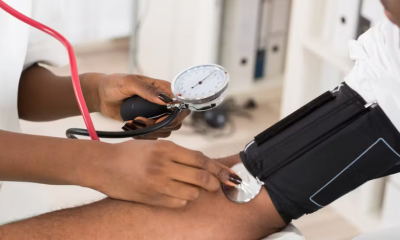
The organisation says regular health checks can help identify risk factors at an earlier stage, when there is an opportunity to intervene.
For World Heart Day, the HSFSA will also partner with organisations including Life Healthcare Group, Suncoast Casino, Pavilion Shopping Centre and Oceans Mall Umhlanga to illuminate buildings and monuments in red as part of the awareness campaign.
<
The Heart and Stroke Foundation South Africa (HSFSA) is gearing up to commemorate World Heart Day.❤️🧠
HeartFoundationSA (@SAHeartStroke) September 23, 2026
See Media Release Below😁#HSFSA #WorldHeartDay #DontMissABeat #healthyliving pic.twitter.com/SGPhF74zcv
p>
Follow Joburg ETC on Facebook, Twitter, TikTok and Instagram
For more News in Johannesburg, visit joburgetc.com
Source: HSFSA/Press Release