Health
Eastern Cape investigates gastroenteritis at Rhodes University after 111 fall ill
Eastern Cape Health is investigating 111 gastroenteritis cases at Rhodes University after water tests reportedly found E. coli, high coliforms and low chlorine.

Health authorities probe 111 cases after campus outbreak
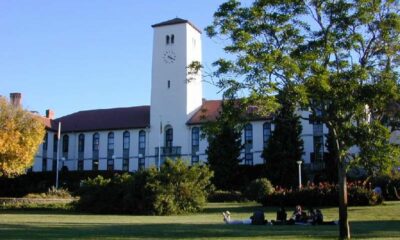
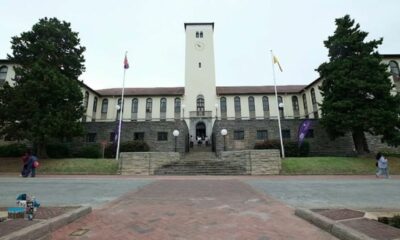
The Eastern Cape Department of Health is investigating 111 cases of gastroenteritis involving students and staff at Rhodes University in Makhanda. The cases were reported on Wednesday and preliminary testing of the university’s water supply has raised concerns that are under further assessment.
What the department has reported so far
Department of Health spokesperson Siyanda Manana confirmed that referrals from the university have been seen at Settlers Hospital while verification of the reported cases continues.
“The Department’s Infection Prevention and Control (IPC) team has confirmed that several referrals from the university have been observed at Settlers Hospital.
“Verification of the reported cases and further assessment of the situation are ongoing.”
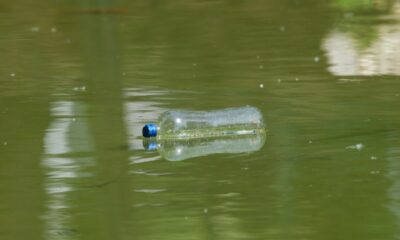
Manana said preliminary water testing conducted at the university’s Microbiology Laboratory reportedly detected high coliform counts, the presence of E. coli and low chlorine levels, though the department is still assessing the significance of those findings and any possible link to the illnesses.
“The significance of these findings and any possible link to the reported illnesses are still being assessed.”
Cases, symptoms and local care
Preliminary information indicated affected individuals presented with symptoms such as diarrhoea, stomach cramps and vomiting. The department noted some student absenteeism as a result.
Students with mild symptoms were managed on campus and provided with rehydration; those needing more intensive care were referred to Settlers Hospital for further assessment and treatment.
“The university has a designated facility where individuals presenting with mild symptoms were managed and provided with rehydration.”
University response and precautions
According to IOL, the university previously confirmed that more than 100 people had been affected. Rhodes University said it is working with relevant authorities and has stepped up internal communications and medical support for affected students.
“Students who experienced severe symptoms were taken to hospital for medical attention and have since returned to campus.”
“In support of the broader response, the university has intensified internal communication to ensure that students and staff are informed of and adhere to recommended precautionary measures.”
As part of its immediate precautions, the university has provided bottled water for consumption and urged staff and students to follow safe water, food handling and personal hygiene practices.
“Staff and students are urged to remain vigilant and practise safe water use, food handling and personal hygiene, both on and off campus.”
“These measures include drinking boiled and cooled or bottled water, using safe water to prepare food and brush teeth, avoiding ice and uncooked food washed in untreated water, and washing hands regularly with soap and water,” she added.
Coordination and public advice
Makhanda Municipality was reported to be establishing a war room to coordinate the response with environmental health practitioners, health promoters, provincial epidemiologists, university personnel and other stakeholders. The health department said it will continue to monitor developments and update the public.
“Members of the community experiencing symptoms such as diarrhoea, vomiting or stomach cramps are encouraged to seek medical attention, maintain adequate hydration and practise good hand hygiene.”
Why the water findings matter (context)
In general terms, the presence of coliform bacteria and E. coli in water is commonly used as an indicator that the water may be contaminated with fecal material or other contaminants. Low chlorine residuals reduce the disinfectant protection in a water supply and can allow bacteria to persist. Health teams typically investigate such findings alongside clinical reports to determine whether there is a causal link.
Investigations usually include repeat water sampling, review of supply and treatment processes, and close clinical surveillance to map the timing and distribution of cases. Public health responses often focus on ensuring safe drinking water, advising on personal hygiene and providing clinical care where required.
Practical advice for students and residents
Health authorities in this situation commonly recommend steps to reduce risk and protect health. Those experiencing gastrointestinal symptoms should seek medical attention and maintain hydration.
- Use bottled water or bring tap water to a rolling boil, then cool before drinking.
- Avoid ice and uncooked foods washed in untreated water.
- Wash hands frequently with soap and water, especially after using the toilet and before preparing or eating food.
- Follow guidance from campus health services and local authorities about water use and any temporary restrictions.
What to watch for next
The department and the university are continuing assessments to verify the reported cases and to clarify the role, if any, of the water test results in the illnesses. The public will be updated as the investigation progresses and as further test results and clinical information become available.
For now, the response combines clinical care on campus, hospital referrals where needed, targeted communication to students and staff, and multi-agency coordination to address potential environmental health risks.
Follow Joburg ETC on Facebook, Twitter, TikTok and Instagram
For more News in Johannesburg, visit joburgetc.com
Source: iol.co.za