News
Asked to complete HANIS verification? Here’s what to do
HANIS verifies identity using biometrics such as fingerprints. Here’s why you may be asked to complete it, what to take, and options for elderly or frail applicants.
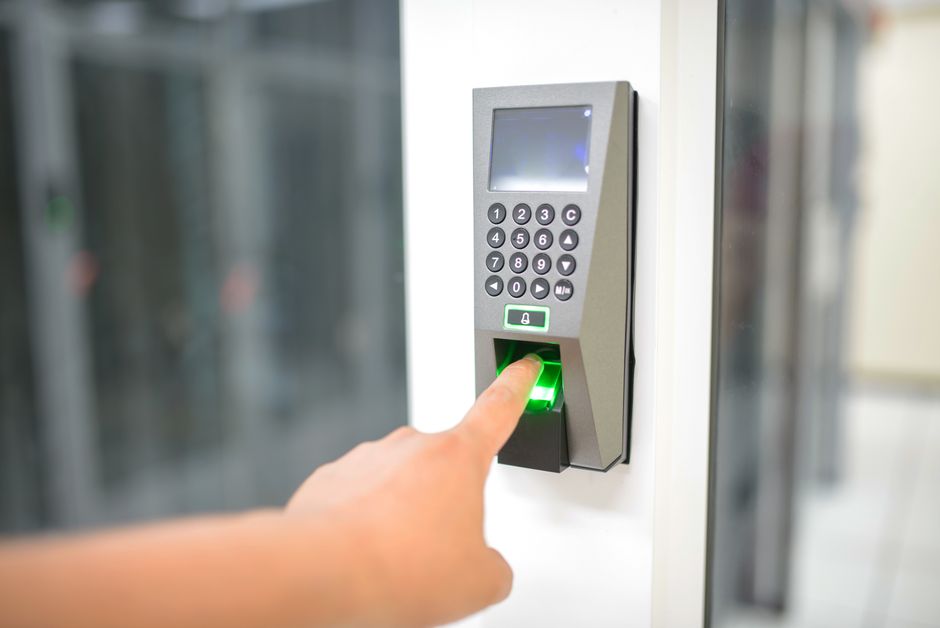
HANIS is the Department of Home Affairs system that verifies a person’s identity using biometric information such as fingerprints, checked against Home Affairs records. The system is used for identity checks by Home Affairs, financial institutions and government services, and plays a role in preventing identity fraud and ensuring services are linked to the correct person.
Why you might be asked for HANIS verification
A HANIS verification request can follow when officials cannot confirm a beneficiary’s identity. This may happen after a failed biometric check for example, during a SASSA interaction or where information does not match Home Affairs records. For elderly people, fingerprints can be difficult for biometric equipment to capture; a failed biometric check does not automatically mean wrongdoing, it only means the system has not completed the required verification.
What HANIS verification does and why it matters
The purpose of HANIS verification is to establish that a person’s identity details and biometric data correspond with Home Affairs records. SASSA has said biometric verification strengthens identity authentication for grant applications and reviews and helps prevent identity theft, duplicate claims and other forms of fraud. Home Affairs also uses biometric enrolment and verification through systems including ABIS (the Automated Biometric Identification System) and the National Population Register to identify suspected fraudulent identity documents.
Practical steps if you’re told to go to Home Affairs
If SASSA or another department specifically instructs you to obtain HANIS verification, ask the official to explain:
- Why the verification is required
- What documents you need to take with you
- Which Home Affairs office you should visit
- Whether you need an appointment
- What to do if your fingerprints cannot be captured
- Whether another form of biometric verification is available
Take a valid identity document and any reference numbers, letters or documentation you received from SASSA or the referring department. Keep copies of important documents and, where possible, ask for proof of any visit or submission.
When fingerprints can’t be captured
Fingerprints may become harder to read with age because of wear and changes to the skin, or because of technical problems with scanners or the capture conditions. If fingerprints cannot be captured, explain the issue to the Home Affairs official instead of making repeated visits without knowing why the attempts are failing. The appropriate next step will depend on the individual case and the information Home Affairs holds on record.
If the person is frail or cannot travel
SASSA guidance notes that where a person is too old or sick to travel to an office to apply for an older person’s grant, a family member or friend can apply on their behalf provided the required letter and, where applicable, a doctor’s note are supplied. SASSA has also said that beneficiaries who are unable to visit an office can, in applicable circumstances, have a procurator represent them. Because HANIS verification is an identity process, families should confirm with Home Affairs or SASSA what arrangement applies to their specific case rather than assuming someone else can complete biometric verification on the beneficiary’s behalf.
How HANIS verification differs from a SASSA grant review
A grant review assesses whether a beneficiary still qualifies for a grant and can involve checks of identity, income, assets, marital status and other circumstances. HANIS verification specifically concerns identity verification. The two processes can overlap when identity checks form part of a grant review.
Key documents to bring: a valid ID and any letters, reference numbers or documentation from SASSA or the referring department.
Follow Joburg ETC on Facebook, Twitter, TikTok and Instagram
For more News in Johannesburg, visit joburgetc.com
Source: iol.co.za