News
Transport Union Raises Alarm Over Rail Safety, Citing Risks of Sabotage and Infrastructure Theft
Transport union Untu highlights rising train usage but warns of ongoing threats from infrastructure theft, sabotage, and need for stronger rail safety.
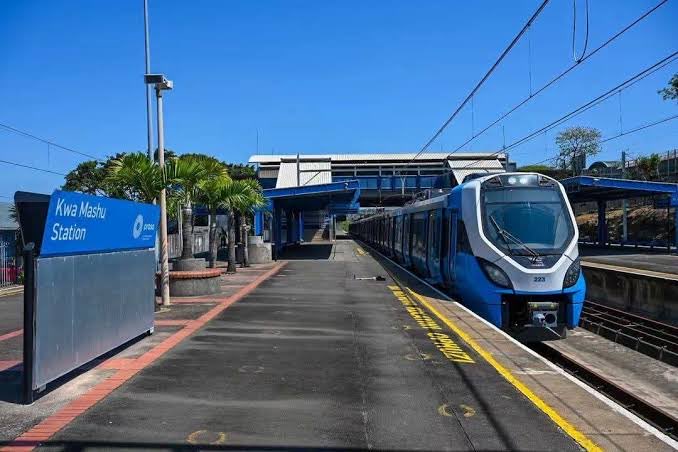
Spike in Rail Usage Amid Persistent Safety Worries
South Africa’s rail network is experiencing a notable surge in passenger numbers, yet the resurgence is being overshadowed by enduring safety concerns and the risk of deliberate infrastructure sabotage. Figures released by the Department of Transport reveal that the Passenger Rail Agency of South Africa (PRASA) recorded 101 million audited passenger trips in the 2025/26 financial year, up from 76.72 million the previous year. This growth signals renewed public interest and trust in passenger rail, but challenges remain in keeping commuters safe and services reliable.
Security Incidents and the Sabotage Threat
Despite progress, PRASA reported 889 verified security incidents over the past year, only a slight decrease from the previous total of 929. According to Athenkosi Plaatjie, acting general secretary of the United National Transport Union (Untu), theft and destruction of railway infrastructure continue to jeopardise the achievements in restoring passenger rail. The union has raised particular alarm about the prospect of deliberate sabotage, warning that as PRASA intensifies its recovery efforts, malicious acts could undermine both commuter and employee safety.
Socioeconomic Implications of Rail Deterioration
Plaatjie underlines the broader impact when state services like PRASA falter: “When essential state services such as PRASA deteriorate, a vacuum is created for ‘shadowy’ operators in the transport sector to exploit.” Such a vacuum, he warns, risks paving the way for monopolies within public transport, particularly penalising poor and working-class communities as well as informal traders by limiting their affordable transport choices. This dynamic can deepen financial struggles for those least able to shoulder them.
Calls for Coordinated Law Enforcement
To counteract these challenges, Untu is urging PRASA to implement a coordinated, inter-agency law enforcement approach. Plaatjie advocates for joint operations involving the South African Police Service (SAPS), the National Prosecuting Authority (NPA), and other agencies. He stresses the necessity for authorities to identify, arrest, and prosecute those responsible for the destruction, theft, and sabotage of railway infrastructure.
“A functioning and efficient PRASA is not merely about trains running on time. It is about ensuring that all South Africans, regardless of their socioeconomic circumstances, have affordable and reliable access to employment, education and economic opportunities.”
Impact of Reopened Rail Lines and Service Recovery
Untu has welcomed the positive trend in rail usage, interpreting the rise in passenger numbers as evidence of growing demand for public rail transportation. The union points to the reopening of previously closed linessuch as the route linking Kapteinsklip in Mitchells Plain to Cape Town Civic Centreas a critical step in restoring mobility for communities that have been deprived of affordable transport for years. These reopenings are viewed as pivotal in restoring commuter confidence across the rail network.
Ongoing Effects of Security Contract Decisions
Plaatjie has highlighted the lingering consequences of the decision to cancel security contracts, noting that the fallout from this choice still reverberates through PRASA’s operations. This situation has made far-reaching recovery and robust protection of infrastructure even more vital for sustaining rail services into the future.
Infrastructure Rehabilitation and Signalling Upgrades
Emphasising the path forward, Untu insists that recovery of rail infrastructure must be prioritised, with particular attention to the rehabilitation of stations and upgrading of signalling systems. According to Plaatjie, advanced signalling is not only important for increasing train frequency but is also key to ensuring that rail operations remain safe, reliable, and efficient for the growing base of commuters.
Wider Implications for Public Transport
Increased reliance on rail can ease congestion on road networks, support local economic development, and reduce environmental impacts. However, these benefits hinge on a secure and dependable system. The union’s concerns underscore the urgency for ongoing investment and vigilance to protect the gains made in South Africa’s rail sector and to guarantee broad access to critical public transport services.
Follow Joburg ETC on Facebook, Twitter, TikTok and Instagram
For more News in Johannesburg, visit joburgetc.com
Source: citizen.co.za