
News
Serious Social Investing Conference 2026 focuses on doing more with less
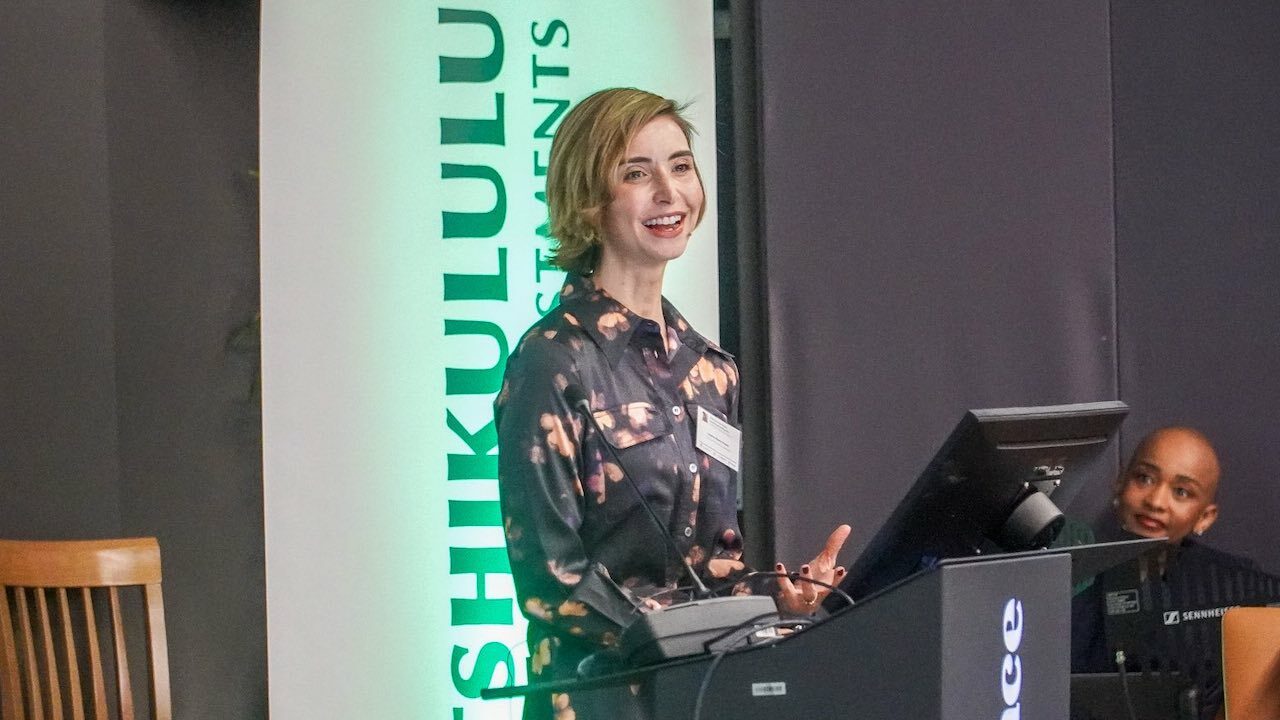
For businesses investing in South Africa’s communities, the question is no longer simply how much money can be committed. Increasingly, it is about what that money can actually achieve.
That challenge will take centre stage at the 2026 Serious Social Investing (SSI) Conference, where corporate South Africa will be asked to consider how social investment can create meaningful change while operating in a difficult economic environment.
The conference, themed ‘doing more with less’, will take place on 7 October 2026 at the Gordon Institute of Business Science (GIBS) in Johannesburg.
Tshikululu Social Investments will facilitate the discussions, with the FirstRand Empowerment Foundation serving as headline sponsor alongside support from Tiger Brands, Discovery and SPAR.
Rather than focusing only on funding, this year’s programme looks at how businesses can get more from the resources they already have by combining money with expertise, networks, technology and partnerships.
That approach will be particularly relevant to communities facing everyday pressures around food security, healthcare, employment and opportunities to build sustainable livelihoods.
A major theme throughout the conference will be collaboration. Kone Gugushe, Head of Social Investing at FirstRand Group, will speak about the relationship between business and social impact, including how companies can combine capital, skills and market access to support more inclusive economic growth.
‘Doing more with less means making the full contribution of business count,’ Gugushe says.
He argues that businesses have more to offer than funding alone, with expertise, networks and access to markets also capable of strengthening the impact of social investment when they are aligned with community priorities and effective partners.
Technology will form another important part of the conversation.
Tshikululu Social Investments CEO Leanne Emery-Hunter will lead a session looking at artificial intelligence and advanced technology, including the potential for these tools to improve social programmes and drive innovation.
But the discussion will not treat technology as a solution in itself. The programme will also consider the possibility that poorly designed or poorly targeted AI could deepen existing inequalities.
For Emery-Hunter, better social investment begins with understanding whether an intervention is actually working.
‘Doing more with less starts with understanding what makes a difference,’ she says, highlighting the importance of evidence, shared learning, effective partnerships and clear ways of measuring progress.
Those principles will then be taken into more practical discussions during the conference’s breakaway sessions.
Food security will be examined through the lens of partnerships that can strengthen local production and distribution, while healthcare discussions will focus on prevention, data and better links between communities and services.
Infrastructure sessions will look at how coordinated investment can support public spaces, service delivery and local economic opportunities.
The conference will also turn its attention to livelihoods and enterprise.
One case study involving the FirstRand Empowerment Foundation and Red Meat Industry Services will explore how animal health support can help protect the livelihoods of communal farmers while improving their access to markets.
Other sessions will consider the role of skills development, procurement and business partnerships in supporting entrepreneurs and creating employment, alongside continued investment in arts, sport and culture.
There is also a practical side to making social investment work better.
A workshop on the International Non-Profit Accounting Standard will look at harmonised grant reporting and how improved financial reporting could make the relationship between funders and recipients simpler and more effective.
Ethical leadership and accountability will also feature, recognising the importance of trust when different organisations are expected to work together.
Tshikululu’s monitoring and evaluation session will bring the discussion back to one of the biggest questions facing social investors: how do you know whether an investment has actually changed lives?
The distinction between simply delivering outputs and achieving lasting outcomes will form part of that conversation, with evidence used to help organisations decide where limited resources can have the greatest impact.
Ultimately, the 2026 SSI Conference is built around a simple challenge with difficult implications: if resources are limited, social investors have to become smarter about where they put them, how they work and who they work with.
The ‘doing more with less’ theme therefore goes beyond cutting costs. It is about making every contribution count and measuring success by the difference communities ultimately experience.
Follow Joburg ETC on Facebook, Twitter, TikTok and Instagram
For more News in Johannesburg, visit joburgetc.com


