News
Home Affairs unveils working smartphone Digital ID in Johannesburg demo
Home Affairs Minister Leon Schreiber demonstrated a working MyMzansi smartphone Digital ID in Johannesburg, showing QR verification and user-controlled data sharing linked to the population register.
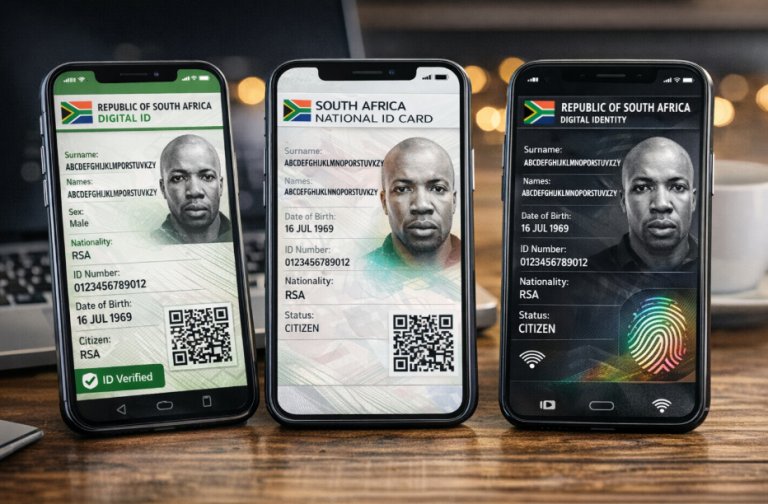
Home Affairs Minister Leon Schreiber demonstrated a working smartphone Digital ID system in Johannesburg on Thursday, 1 October 2026, giving the public a look at how identity documents and verification could work on mobile devices.
What the demonstration showed
Schreiber used the MyMzansi Digital ID smartphone app during the demonstration. The app displayed a profile view including a digital ID image, the user’s photograph, name and date of birth. Schreiber pointed out that the photograph shown matched the image held in the Home Affairs population register, indicating the credential corresponded with official records.
Key features: wallet, share and controlled disclosure
The app includes three primary functions: Wallet, Share and More. The Wallet is intended to hold Home Affairs credentials such as an ID copy and documents like birth and marriage certificates, bringing multiple documents into a single digital space.
Schreiber demonstrated the Share function, which can generate a QR code for an authorised official to scan with a paired verification app. When a scan is initiated, the person whose information is requested is notified on their smartphone and can accept or deny the request. Users can also select which specific data fields to share, such as name, date of birth, sex, nationality, identity number, place of birth, photograph and issuing country.
Security and design principles
Schreiber emphasised that the Digital ID is not intended to be merely a photograph of a physical ID. He said,
“Digital ID cannot and will not be a photograph of your ID card on your phone.”
Instead, the system is designed as a remote verification tool linked to a person’s biometrics and a cryptographic signature. The demonstration highlighted device binding and biometric linkage as measures intended to protect the digital credential and prevent fraudulent use.
Rollout and purpose
The demonstration provided a first look at the system in operation. The government has described the Digital ID as a means for South Africans to access government services and securely verify identity online, with a longer-term goal of enabling access to services across departments through a single digital platform.
The source notes that the full digital ID system is not expected to launch until after 2030.
Follow Joburg ETC on Facebook, Twitter, TikTok and Instagram
For more News in Johannesburg, visit joburgetc.com
Source: thesouthafrican.com